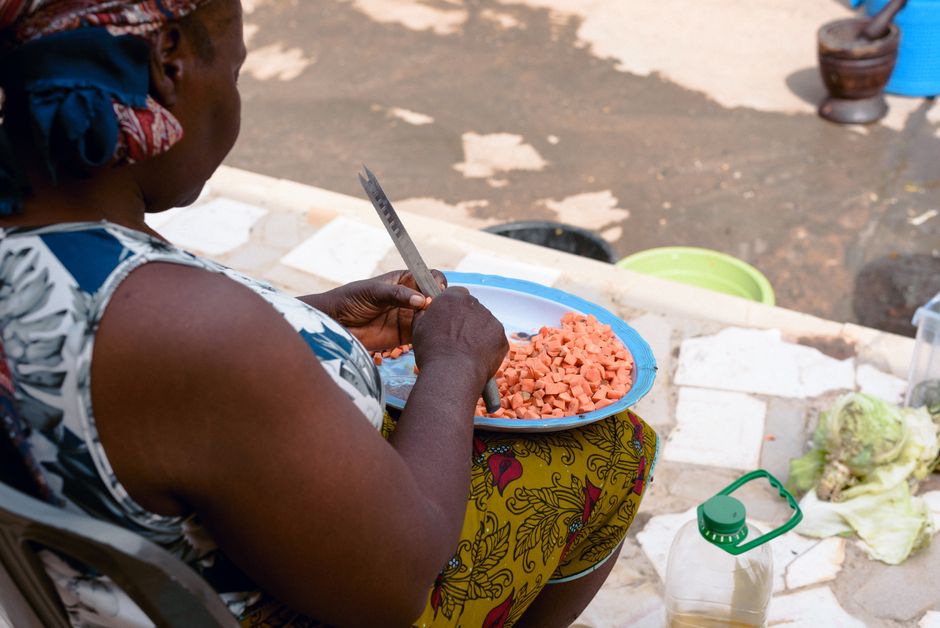
As someone who grew up in Lagos, food has always been a vibrant part of my life. Yet, it wasn't until my health took a downturn that I began to appreciate the nutritional power of the dishes I had once taken for granted. This is a story of how I rediscovered the nutritional richness of Nigerian cuisine and used it to transform my health.
It all started when I noticed a persistent fatigue that no amount of coffee could shake off. Despite my love for our national dishes, my diet had gradually shifted towards convenience foods. I decided it was time for a change, one that would lead me back to the roots of my culinary heritage.
Recognizing the Problem
The Unwanted Wake-Up Call
My journey began with a trip to the doctor's office. I had been experiencing fatigue, frequent headaches, and a general sense of malaise that was hard to shake. The diagnosis? Nutritional deficiencies were contributing to my health woes.
It was a wake-up call. I had always thought of myself as relatively healthy, but I realized my diet was lacking in essential vitamins and minerals. My doctor recommended focusing on whole, unprocessed foods rich in nutrients, which led me to reconsider my relationship with the meals I grew up with.
A Deep Dive into Nigerian Cuisine
Nigerian cuisine is a tapestry of flavors, textures, and nutritional profiles. From the vitamin-rich leafy greens in egusi soup to the complex carbohydrates found in pounded yam, our traditional dishes are brimming with the nutrients my body craved.
"Returning to my roots was not just about food; it was about reconnecting with my health and heritage."
Creating a Nutritional Plan
Revisiting Childhood Favorites
Armed with my doctor's advice, I started to create a meal plan that would incorporate more traditional foods. I began with some of my childhood favorites like jollof rice and moi moi, ensuring I prepared them in healthier ways by using fresh ingredients and reducing oil and salt.
Each meal became an opportunity to embrace nutrient-rich ingredients. Okra, a staple in dishes like ogbono soup, provided fiber and essential vitamins, while beans, often used in akara, became a new favorite for their protein and complex carbohydrates.
Managing Portions and Balance
One of the challenges I faced was portion control. Nigerian meals can be hearty, and it was important for me to balance my love for these dishes with a mindful approach to eating. I learned to savor smaller portions and fill my plate with a variety of foods to ensure a balanced intake of nutrients.
- Incorporating more vegetables in every meal
- Choosing lean meats and legumes for protein
- Reducing palm oil and using healthier alternatives
The Impact of Change
Noticing Physical and Emotional Benefits
Within weeks, I began to notice subtle changes. My energy levels improved, and the headaches became less frequent. I felt more in tune with my body and its needs, and this newfound energy translated into other areas of my life.
Emotionally, embracing my cultural roots through food brought a sense of satisfaction and pride. It was a reminder of the strength in our traditional practices and how they can support modern health needs.
Community Support and Sharing
Throughout this journey, I leaned on the support of friends and family. We shared recipes, tips, and stories of transformation. Cooking and eating together became a communal activity that enriched my experience and commitment to a healthier lifestyle.
Challenges and Adjustments
Overcoming Dietary Hurdles
Of course, there were challenges. Finding fresh, local ingredients that met my newfound nutritional standards required some planning and flexibility. Trips to local markets became a regular part of my week, allowing me to source the freshest produce and spices.
There were also moments of temptation when convenient, processed foods seemed easier, but I persevered, knowing the benefits of sticking to my plan.
Adapting to New Habits
Adapting to a healthier lifestyle was not just about changing my diet; it was about creating new habits. I started setting aside time for meal prep, which helped me avoid the pitfalls of last-minute unhealthy choices.
"Change isn't always easy, but it's possible with patience, persistence, and a little creativity."
Conclusion
My journey back to health through Nigerian cuisine was both enlightening and transformative. It taught me that our traditional foods are more than just meals; they are a blend of culture, nutrition, and history that can support a healthy lifestyle.
If you're looking to make changes in your own life, consider the nutritional value of your cultural heritage. Embracing traditional dishes, prepared in healthier ways, can be a powerful tool in improving your well-being. Remember, it's a personal journey, one that requires commitment and a willingness to rediscover the flavors and benefits of your roots.