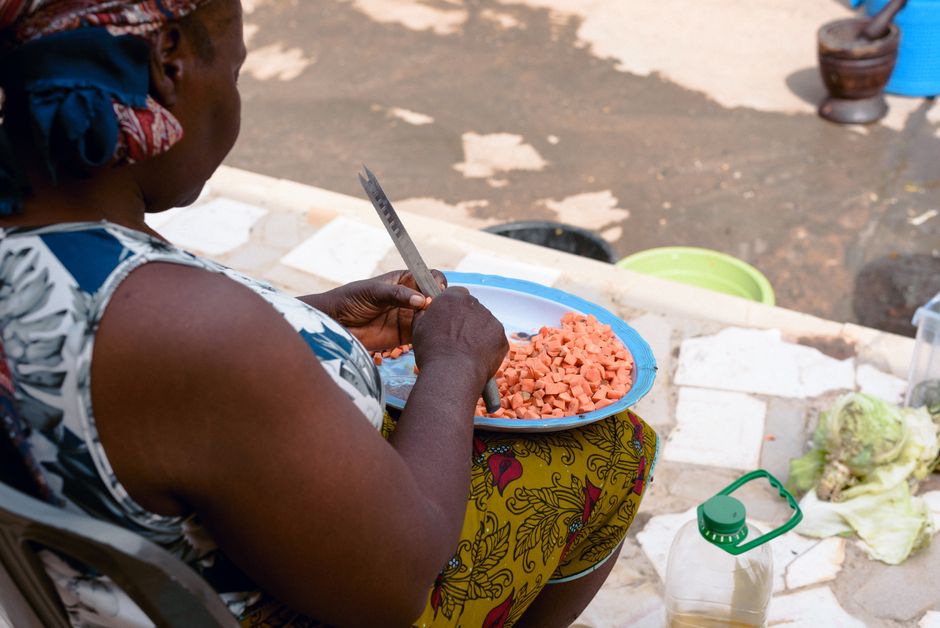
Eating healthy doesn't have to drain your wallet. In Nigeria, with its rich culture and diverse food options, you can maintain a nutritious diet regardless of your budget. Whether you're a student on a shoestring, a family with moderate spending ability, or someone ready to splurge on premium ingredients, there are plenty of options to keep you both healthy and satisfied.
Nigeria boasts a wide array of traditional dishes and ingredients that are naturally nutritious. From the local markets bustling with fresh produce to supermarkets offering imported goods, the choices are vast. Let's explore how you can make the most of what's available, tailored to your specific budget.
Low-Budget Healthy Eating
Shopping Smart at Local Markets
For those on a tight budget, the local Nigerian markets are a goldmine of affordable, fresh produce. Here, you can find vegetables like ugu (pumpkin leaves), okra, and garden eggs, which are rich in vitamins and minerals.
- Ugu Leaves: Packed with iron and vitamin C, these leaves are perfect for soups.
- Okra: High in fiber and antioxidants, great for stews.
- Garden Eggs: Low in calories but high in fiber, ideal for snacks or salads.
Buying from local farmers or markets not only supports local agriculture but also ensures you get fresh produce at a fraction of the cost.
Cost-Effective Proteins
Protein is essential in any diet, and you don't have to spend a lot to get your fill. Opt for locally sourced fish like mackerel, which is affordable and packed with omega-3 fatty acids.
- Mackerel: A cost-effective and nutritious choice.
- Beans: A staple in many Nigerian homes, beans are an inexpensive source of protein.
- Eggs: Versatile and nutrient-dense, ideal for any meal.
"Eating healthy shouldn't be a privilege for the wealthy. With smart choices, anyone can enjoy nutritious meals."
Medium-Budget Healthy Eating
Balancing Local and Imported Goods
With a slightly higher budget, you can mix local ingredients with some imported goods for variety. Enjoy a mix of local and international flavors by incorporating quinoa or brown rice as alternatives to white rice.
- Quinoa: A protein-rich grain that pairs well with Nigerian stews.
- Brown Rice: A healthier alternative to white rice, offering more fiber and nutrients.
- Local Vegetables: Combine with imported grains for delicious, balanced meals.
Investing in Quality Proteins
With more to spend, you can explore higher-quality protein sources. Chicken, turkey, and a variety of fish are excellent choices that provide essential nutrients.
- Chicken: Opt for skinless to reduce fat intake.
- Turkey: A lean meat that's great for sandwiches and salads.
- Tilapia: A mild-flavored fish that's easy to cook.
High-Budget Healthy Eating
Exploring Specialty Stores
Those with a larger budget can take advantage of specialty stores offering organic and gourmet products. Avocados, blueberries, and almond milk are nutritious options that add a touch of luxury to your meals.
- Avocados: A creamy fruit rich in healthy fats.
- Blueberries: Antioxidant-rich berries perfect for smoothies.
- Almond Milk: A dairy-free alternative that's great for cereal and coffee.
Dining Out with Health in Mind
If you prefer dining out, Lagos offers a plethora of health-conscious restaurants. Enjoy dishes that prioritize fresh, organic ingredients and creative culinary techniques.
- Farm-to-Table Restaurants: Where freshness meets flavor.
- Vegan Cafes: Offering plant-based meals for health enthusiasts.
- International Cuisine: Experience global flavors with a Nigerian twist.
"With a bit of creativity and knowledge, eating healthy can be both delicious and accessible at any price point."
Conclusion
Eating healthy in Nigeria is achievable at any budget. With a variety of local markets, supermarkets, and restaurants at your disposal, you can create a diet that fits your financial and nutritional needs. Remember, your health is an investment worth making. From the humble beans to the luxurious avocado, each choice contributes to your overall wellness.