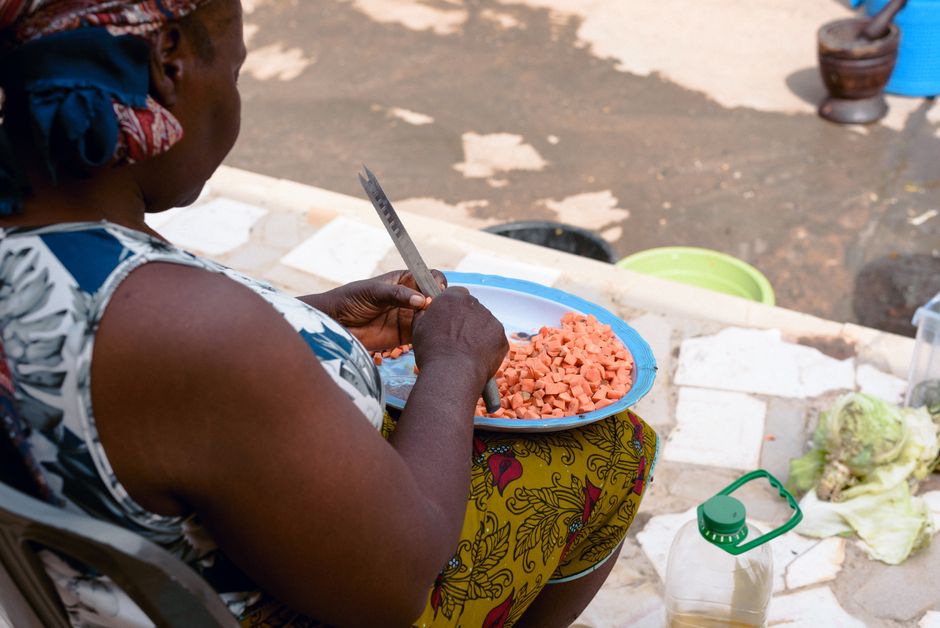
Imagine waking up feeling more energetic and vibrant, with a diet that nourishes your body while also being kind to the planet. For many Nigerians, transitioning to a plant-based diet can seem daunting at first, especially with the rich diversity of traditional dishes that often include meat. However, with the right approach, this change can be both rewarding and sustainable.
In Nigeria, we are blessed with an abundance of fresh, local produce and traditional recipes that can be easily adapted to fit a plant-based lifestyle. Whether you're motivated by health reasons, environmental concerns, or simply curiosity, this guide will walk you through the process of transitioning to a plant-based diet right here in Nigeria.
Understanding What a Plant-Based Diet Means
What is a Plant-Based Diet?
A plant-based diet emphasizes foods derived from plants, including vegetables, whole grains, nuts, seeds, legumes, and fruits. While it can include some animal products, the focus is primarily on plant foods. This is different from a vegan diet, which excludes all animal products.
Benefits of a Plant-Based Diet
- Improved Health: Studies have shown that a plant-based diet can lower the risk of heart disease, high blood pressure, and diabetes.
- Environmental Impact: Reducing meat consumption can significantly reduce your carbon footprint.
- Economic Benefits: Often, plant-based foods are less expensive than meat and processed foods.
Step 1: Gradual Transition
Start Small with Meatless Days
Begin by designating one or two days a week as meatless days. This could be as simple as enjoying a traditional meal like plantain and beans or yam porridge without meat.
Experiment with Local Ingredients
Explore the rich variety of Nigerian produce. Vegetables like ugu, ewedu, and okra, along with grains like millet and sorghum, provide excellent nutritional value and can be the star of your meals.
"Start with what you know. Swap beef in your jollof rice for mushrooms or tofu and see how vibrant the flavors become."
Step 2: Incorporate More Whole Foods
Embrace Whole Grains and Legumes
Whole grains such as brown rice, quinoa, and legumes like black beans and chickpeas are staples in a plant-based diet. They are filling, nutritious, and versatile.
Prepare Your Meals at Home
Cooking at home gives you control over what you eat. Experiment with recipes and find joy in creating meals that are both delicious and healthy.
Step 3: Modify Traditional Recipes
Plant-Based Swaps in Nigerian Dishes
- Afang Soup: Use tofu or mushrooms instead of meat.
- Moi Moi: Keep it traditional but skip the eggs sometimes.
- Suya: Try mushroom or tofu suya as a flavorful alternative.
Get Creative with Spices and Herbs
Spices like ginger, garlic, and thyme bring depth and flavor to plant-based dishes. Use them liberally to enhance your meals.
Step 4: Addressing Common Challenges
Dealing with Social Situations
Inform family and friends about your dietary changes. Offer to bring a plant-based dish to gatherings to ensure you have something to eat.
Balancing Nutritional Needs
Ensure you're getting essential nutrients like Vitamin B12, iron, and omega-3s. Consider fortified foods or supplements if necessary.
Conclusion
Transitioning to a plant-based diet in Nigeria is not only feasible but can also be a delightful journey of rediscovery. Embrace the abundance of local produce and flavors, experiment with traditional recipes, and enjoy the numerous health and environmental benefits. Remember, every small step makes a significant impact. So, start today, and savor the transformation.