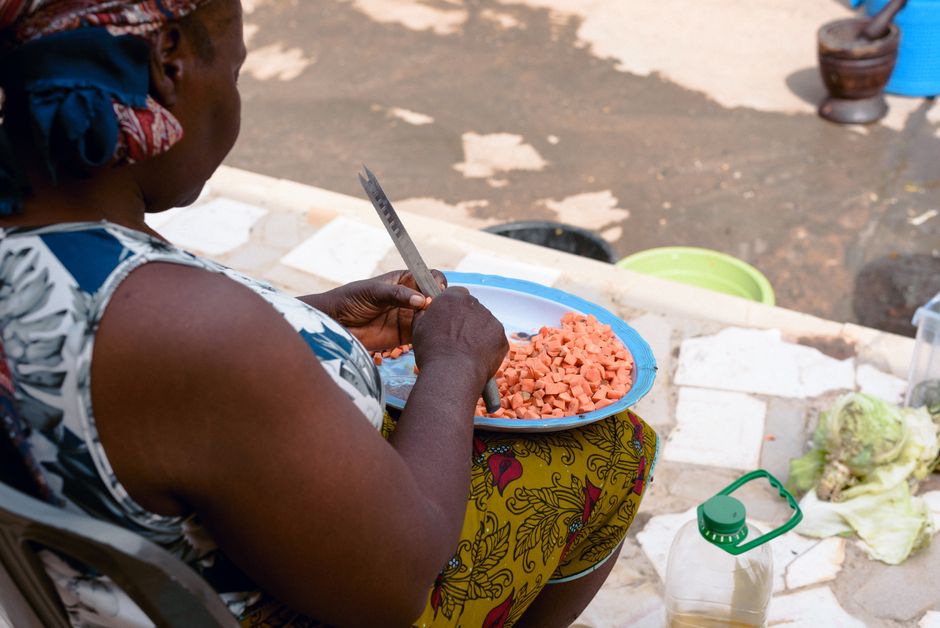
Adopting a plant-based diet can be both exciting and challenging, especially in a culture as rich and diverse as Nigeria's. If you're considering a 30-day plant-based challenge, you're in for a transformative experience that can benefit both your health and the environment. But where do you start? Let's break it down step-by-step so that by the end of this article, you'll feel confident and ready to embrace this nutritious journey.
Nigerians are renowned for their love of flavorful and diverse dishes. From Jollof rice to Egusi soup, the cuisine is often centered around meat and fish. However, with the right approach, you can enjoy a plant-based diet without compromising on taste. The key is to find compatible alternatives and plan effectively.
Setting Your Goals for the Challenge
Understanding Your Motivation
Before diving into the logistics, it's crucial to understand why you're taking on this challenge. Is it for health reasons, ethical beliefs, or environmental concerns? Knowing your motivation will help you stay committed even when the going gets tough.
"Defining your 'why' is essential to maintaining motivation throughout your plant-based journey."
Tracking Your Progress
Setting up a journal or using a digital app to track your meals, mood, energy levels, and any physical changes can be incredibly beneficial. This not only helps in monitoring progress but also aids in identifying any necessary adjustments to your plan.
Understanding Plant-Based Nutrition Essentials
Balancing Macronutrients
A well-planned plant-based diet should include a balance of carbohydrates, proteins, and fats. Key sources include beans, lentils, tofu, and a variety of vegetables and whole grains.
- Proteins: Incorporate beans, lentils, chickpeas, and tofu into your meals. These are excellent sources of plant-based protein.
- Carbohydrates: Opt for whole grains like brown rice, quinoa, and millet.
- Fats: Include healthy fats from avocado, nuts, and seeds.
Ensuring Micronutrient Intake
Micronutrients such as iron, calcium, and vitamin B12 require attention in a plant-based diet. Consider fortified foods or supplements if necessary.
Building a 30-Day Meal Plan
Week 1: Transitioning Smoothly
Ease into the diet by incorporating more plant-based meals gradually. For instance, start with a delicious bean stew paired with plantain.
Week 2: Exploring Nigerian Plant-Based Recipes
Now that you’re more comfortable, delve into Nigerian-inspired plant-based dishes like vegetable okra soup or efo riro with spinach.
Week 3: Getting Creative
This week, experiment with new recipes and incorporate global flavors. Try a lentil curry or a hearty vegetable stir-fry.
Week 4: Reflections and Adjustments
As the challenge comes to an end, reflect on your journey. Adjust any nutritional gaps and set new goals based on your experiences.
Shopping for Plant-Based Ingredients in Nigeria
Finding Local Markets
Lagos, Abuja, and other major cities have bustling markets that offer a variety of fresh produce. Visit these places to stock up on local fruits and vegetables.
Planning Your Grocery List
- Stock up on a variety of beans and lentils.
- Include leafy greens like spinach and ugu.
- Purchase whole grains such as millet and quinoa.
"Planning ahead is crucial for successfully maintaining a plant-based diet, especially in a busy lifestyle."
Final Thoughts
Embarking on a 30-day Nigerian plant-based diet is not just about changing what you eat. It's an opportunity to explore a new culinary world and align your diet with your values and health goals. By setting clear intentions, understanding nutritional needs, and being open to experimenting with traditional recipes, you can make this transition smoothly and sustainably. Remember, it's not about perfection but progress.