Reflecting on my journey to healthy eating, I realized that the path was more winding than I'd anticipated. There were many lessons learned, some in delightful ways, others through trial and error. The choices we make regarding nutrition can significantly impact our health and well-being, and sometimes it takes looking back to appreciate the value of change.
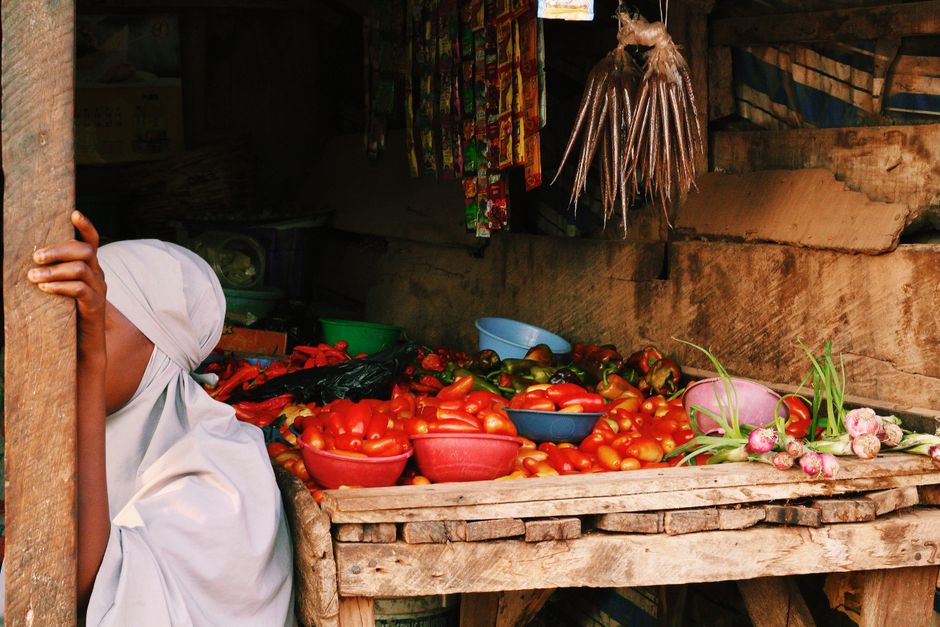
One thing I would do differently is place a greater emphasis on local, fresh produce. Living in Nigeria, we're blessed with a variety of seasonal fruits and vegetables that are not only nutritious but also affordable and accessible. Whether it's the vibrant tomatoes that grace our markets or the leafy greens that offer a wealth of nutrients, embracing local produce can transform our meals and health.
Embracing Local Produce
The Nutritional Power of Nigerian Markets
Local Nigerian markets are a treasure trove of nutritional goodness. When I first began my journey, I often overlooked the rich variety of produce available right at my doorstep. Instead, I'd find myself drawn to imported products, believing they offered superior benefits. Looking back, I would have prioritized locally grown foods.
Nigerian markets offer fresh vegetables that are typically not sprayed with as many chemicals as imported counterparts. For instance, the sweet flavor of Nigerian yams or the crisp texture of garden eggs can add both nutrition and variety to one's diet. By choosing local, I would have not only supported our farmers but also reduced my carbon footprint.
Seasonal Eating: A Missed Opportunity
Another aspect I overlooked was the concept of seasonal eating. In Nigeria, the seasons dictate what is available and freshest, and aligning my diet with these cycles would have added more nutritional diversity. Mangoes in the rainy season, for example, are abundant and offer a delightful sweetness packed with vitamins.
Had I been more mindful of the seasonal offerings, I could have enjoyed the peak flavors and nutrients, enhancing my health naturally and cost-effectively.
The Role of Mindful Eating
Slowing Down to Savor
In the rush of daily life, I often found myself eating on the go, barely tasting my meals. This habit not only affected my digestion but also my relationship with food. If I were to do it all over again, I’d incorporate mindful eating practices to truly savor each bite.
Mindful eating involves paying attention to the colors, smells, textures, and flavors of food. By slowing down and focusing on the act of eating, we can enhance our digestion and satisfaction, leading to better portion control and overall well-being.
Avoiding Unnecessary Restrictions
Initially, I believed that strict dietary restrictions were the key to health. I avoided certain foods entirely, thinking it was the only way to achieve my goals. However, this approach led to feelings of deprivation and eventually, unsustainable eating habits.
“Balance, not restriction, is the key to a healthy diet.”
Understanding that moderation, rather than elimination, is crucial to maintaining a healthy lifestyle would have saved me from unnecessary stress and helped foster a more positive relationship with food.
Building a Supportive Community
Learning from Shared Experiences
Throughout my journey, I often traveled alone, missing out on the benefits of a supportive community. If given a chance to start over, I would actively seek out like-minded individuals who shared similar health goals.
Engaging with a community provides support, motivation, and a wealth of shared knowledge. Whether through local health groups or online forums, connecting with others can offer new perspectives and encouragement, making the journey enjoyable and sustainable.
Cooking Together: A Communal Bond
In many Nigerian cultures, cooking is a community activity that brings people together. I wish I had embraced more communal cooking sessions, which not only teach new recipes but also strengthen bonds with family and friends.
Sharing meals and cooking experiences can also introduce healthier cooking methods and inspire creativity in the kitchen, all while enjoying the company of loved ones.
Experimenting with Traditional Dishes
Revisiting Traditional Nigerian Cuisines
In my early days of healthy eating, I often dismissed traditional Nigerian dishes, believing they didn’t fit into a modern health framework. However, many traditional dishes are naturally balanced and nutrient-rich.
By embracing and experimenting with traditional recipes, I could have enjoyed the rich flavors of Nigeria while adhering to my health goals. Dishes like moi moi or egusi soup can be adapted to suit healthier versions without losing their cultural essence.
Adapting Recipes for Health
I also missed out on the opportunity to adapt traditional recipes to be more health-conscious. Simple changes, like using less oil or substituting processed ingredients with natural alternatives, could have made a significant difference without sacrificing taste.
Learning to balance tradition with health innovations would have enriched my culinary journey and expanded my appreciation for Nigerian cuisine.
Conclusion
Reflecting on my journey to healthy eating, there are several areas I would approach differently today. From embracing local produce and mindful eating to building a supportive community and revisiting traditional dishes, each step offers unique insights and opportunities for growth.
The path to health is deeply personal, and while each experience shapes our understanding, it’s the lessons learned that pave the way for meaningful change. As I look forward, I’m encouraged by the knowledge that the future holds endless possibilities for a healthier, more balanced life.