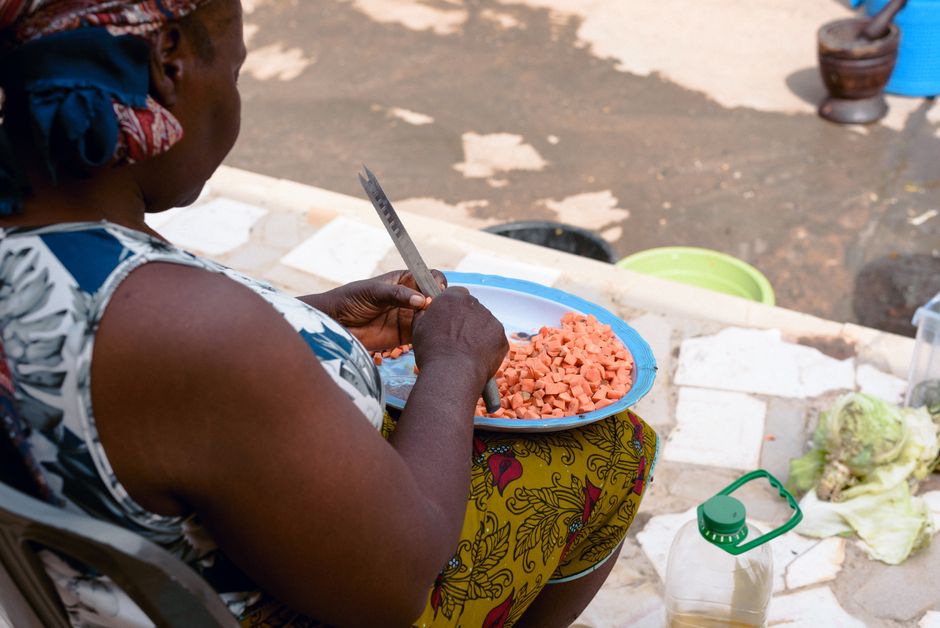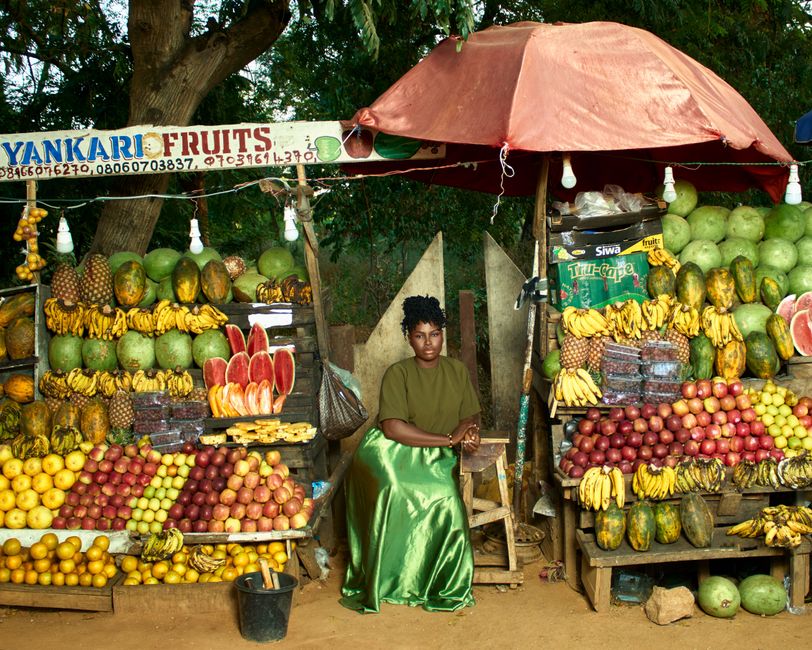
Looking back on my nutritional journey in Nigeria, I realize there are several things I would do differently to enhance my health and wellness. Despite having access to a rich palette of indigenous foods, I often overlooked the nutritional potential of these ingredients, opting instead for convenience over health. In this retrospective, I aim to explore the changes I would make to my Nigerian diet to better align with wellness goals.
Understanding Nigerian Dietary Habits
Nigerian cuisine is renowned for its diversity and richness. However, traditional meals often focus on starchy staples like fufu, eba, and pounded yam, accompanied by delicious yet often calorie-dense soups and stews. In my past, I leaned heavily on these staples without considering portion control or nutritional balance.
Portion Control and Moderation
If I could go back, I would pay more attention to portion sizes. While fufu and other starchy foods are integral to our meals, consuming them in large quantities can lead to weight gain and other health issues. Embracing moderation, such as halving starch portions and increasing vegetable intake, would have been a wise choice.
Incorporating More Vegetables and Fruits
Despite Nigeria's abundant access to fresh produce, my previous diet was lacking in fruits and vegetables. I would focus on integrating more greens like ugu (pumpkin leaves) and bitter leaf, as well as fruits like pawpaw and bananas, which are rich in vitamins and antioxidants.
Re-evaluating Protein Sources
Nigerian diets often emphasize animal protein. However, I now realize I missed an opportunity by not incorporating more plant-based proteins. Exploring legumes such as beans and lentils can provide essential nutrients and amino acids without the added cholesterol found in some meats.
Balancing Animal and Plant Proteins
Before, my meals were often centered around meat, fish, or chicken. Now, I'd aim for a more balanced mix, incorporating vegetarian days to diversify nutrient intake.
The Hidden Gems of Traditional Ingredients
Foods like okra and egusi (melon seeds) are protein-rich and versatile. Rediscovering these ingredients would enhance my meals and improve my diet's overall nutritional profile.
Rethinking Oils and Fats
A staple in many Nigerian dishes, palm oil is often used generously. While it provides a unique flavor, excess consumption can be unhealthy. Reflecting, I would opt for healthier cooking oils or reduce oil usage altogether.
Choosing Healthier Fats
Alternatives like olive oil or avocado oil would have been better choices for cooking. Additionally, I'd explore using less oil by incorporating steaming or grilling in meal preparations.
Understanding the Impact of Trans Fats
In the past, I didn't fully grasp the health impacts of trans fats found in processed foods. Cutting back on such foods would be a priority now.
Embracing Locally Sourced Superfoods
Nigeria is home to many superfoods like moringa and baobab. Incorporating these into my diet could have boosted my nutrient intake significantly.
Benefits of Moringa
Moringa leaves are a powerhouse of vitamins and minerals. I would have integrated them into smoothies or teas to take advantage of their health benefits.
The Versatility of Baobab
Rich in vitamin C and fiber, baobab powder could have enhanced my meals, offering a nutritional punch while supporting digestive health.
Final Thoughts
Reflecting on my past dietary choices, it's clear that making small, mindful changes could have significantly impacted my wellness journey. From managing portion sizes to exploring local superfoods, these adjustments would have fostered a more balanced, nutritious lifestyle. Today, I embrace these lessons and share them with others, hoping to inspire healthier eating habits across Nigeria.