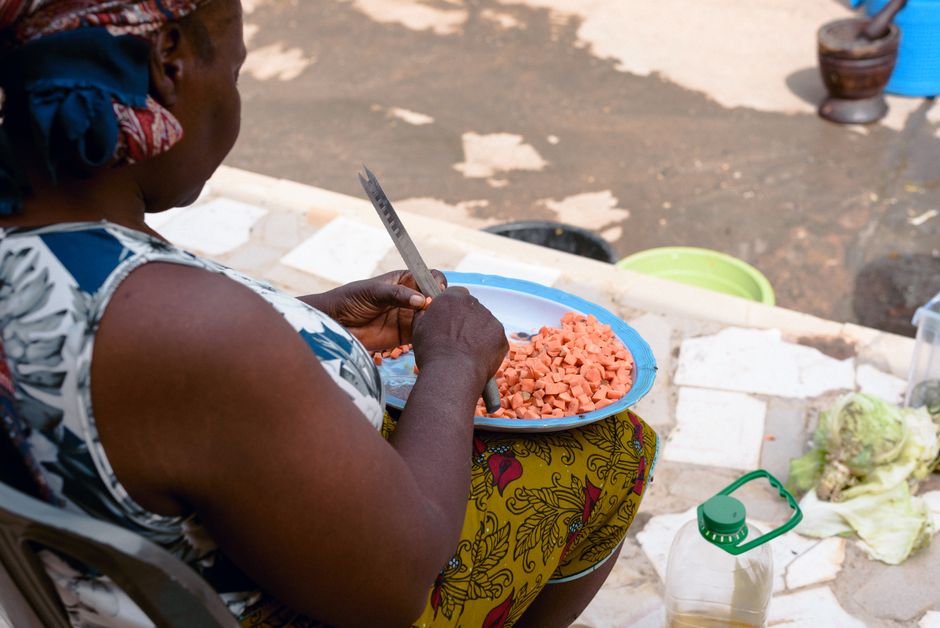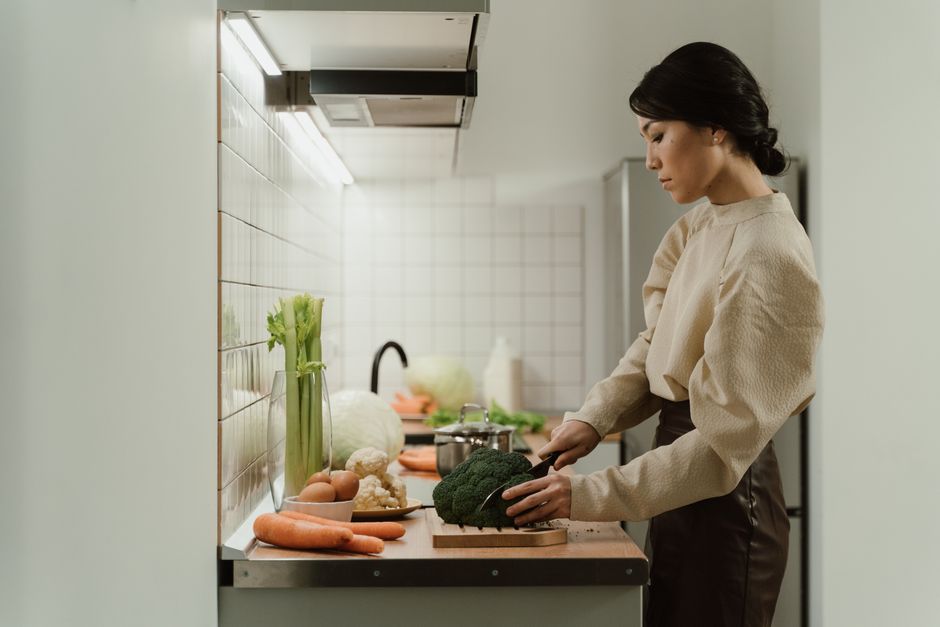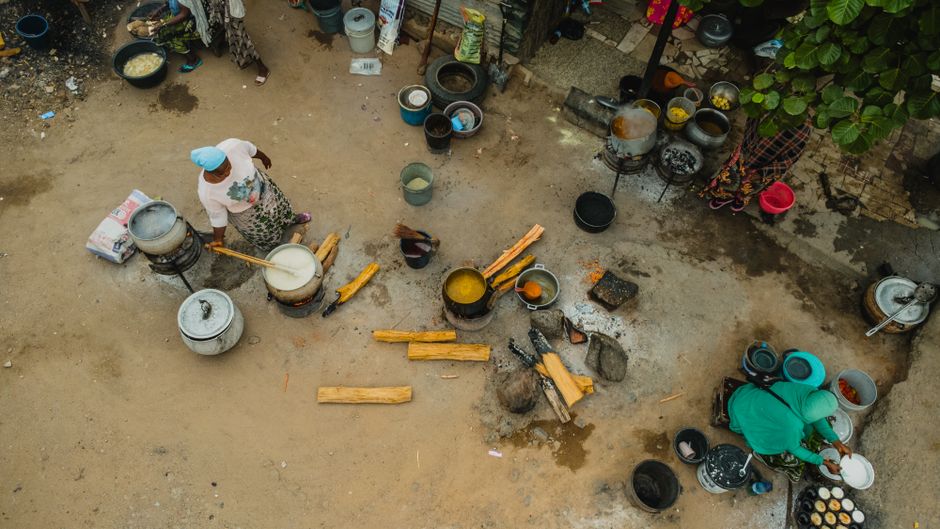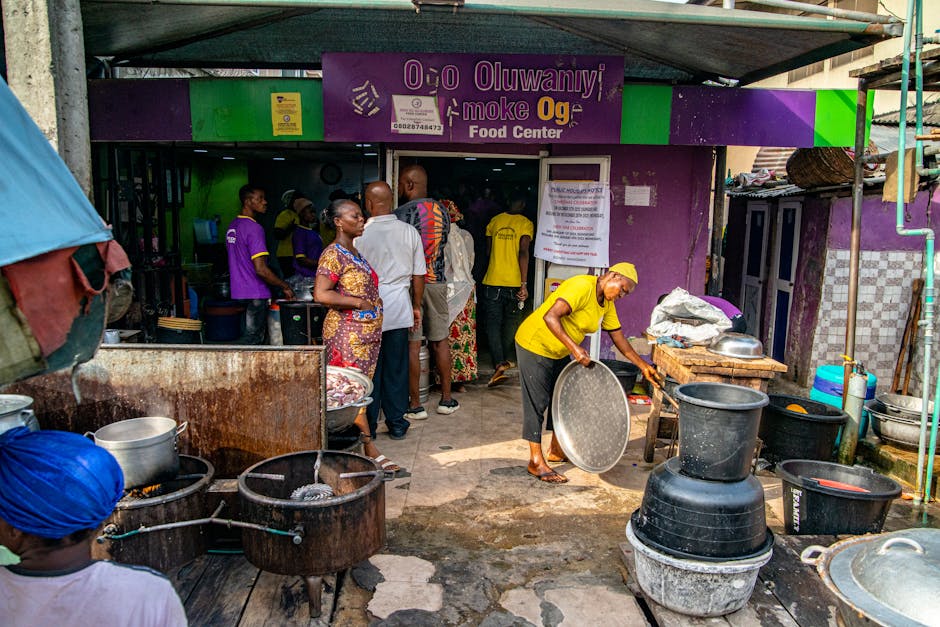
Meal prepping is more than just a trend; it's a lifestyle choice that can transform your eating habits, save time, and even cut down on food waste. For many Nigerians, the hustle and bustle of daily life in cities like Lagos or Abuja can make consistent healthy eating a challenge. Incorporating effective meal prep strategies specifically suited for the Nigerian kitchen can be a game-changer.
Nigerian cuisine is rich and diverse, filled with flavors that make every meal an experience. However, preparing traditional dishes can be time-consuming, especially if you have a busy schedule. Imagine coming home after a long day and having a wholesome pot of jollof rice ready to go, or a spicy egusi soup that just needs a quick reheat. With some planning, this can easily become your reality.
In this article, we'll explore practical meal prep strategies that take into consideration the unique aspects of Nigerian cooking, from ingredient availability to traditional methods of preparation. Let's dive into how you can make meal prep a seamless part of your lifestyle, ensuring you're always ready to enjoy delicious, home-cooked meals.
Understanding the Basics of Meal Prep
Before jumping into meal prep techniques, it's essential to understand the core principles that make meal prepping effective. Meal prepping involves planning and preparing meals in advance, usually for a week, to save time, reduce stress, and ensure a balanced diet.
Benefits of Meal Prepping
- Time-Saving: By setting aside a few hours weekly, you can significantly cut down on daily cooking time.
- Cost-Effective: Buying ingredients in bulk and reducing food waste can save you money.
- Healthier Eating: Prepping allows you to control the ingredients and portion sizes, supporting healthier eating habits.
- Reduced Stress: With meals prepared, you avoid the daily "What's for dinner?" dilemma.
Key Components of Effective Meal Prep
To start meal prepping, you'll need a few essential tools and a plan:
- Storage Containers: Invest in durable, reusable containers in various sizes for different meal types.
- Shopping List: Plan your meals, then create a shopping list to ensure you have all necessary ingredients.
- Recipe Selection: Choose recipes that store well and can be reheated without losing flavor or texture.
Incorporating Nigerian Flavors into Meal Prep
Nigerian cuisine is known for its vibrant flavors and hearty meals. The challenge is to maintain these elements while making the process more efficient.
Batch Cooking Traditional Dishes
Many Nigerian dishes can be cooked in bulk and stored for later use. Here are a few examples:
- Jollof Rice: Prepare a large batch and divide it into meal-sized portions for the week.
- Egusi Soup: Cook the soup base and add fresh greens when reheating to keep it vibrant.
- Beans and Plantain: Cook beans in bulk and pair with freshly fried plantains at serving time.
Utilizing Local Ingredients
Meal prepping doesn't mean you have to forgo local ingredients. In fact, using locally available produce can make your meals healthier and more affordable.
- Leafy Greens: Ugu and other local greens can be pre-chopped and frozen for soups and stews.
- Yam and Cassava: These staples can be boiled in bulk and stored in the fridge for quick side dishes.
Creating a Weekly Meal Prep Routine
Consistency is key when it comes to meal prepping. Establishing a routine will make the process more manageable and effective.
Setting a Schedule
Choose a day, typically a weekend, to dedicate to meal prep. This time should be uninterrupted and focused solely on cooking and organizing your meals for the week.
- Preparation: Plan your meals and recipes ahead of time.
- Shopping: Do your grocery shopping the day before to ensure you have all necessary ingredients.
- Cooking: Dedicate a few hours to cooking and storing your meals.
Rotating Menus
To avoid meal fatigue, rotate your recipes every few weeks. This keeps your meals exciting and reduces the chance of waste.
"The secret to successful meal prep is variety. Don't be afraid to experiment with new recipes and flavors."
Tips for Storing and Reheating Nigerian Meals
Proper storage and reheating are crucial to maintaining the quality of your prepped meals.
Best Practices for Storage
- Labeling: Always label your containers with the date and contents.
- Portion Control: Store meals in single-serving sizes to simplify reheating.
Reheating Techniques
Reheating your meals correctly ensures they taste as good as when they were first prepared.
- Stovetop: For stews and soups, the stovetop can help retain flavor and texture.
- Microwave: Use the microwave for quick heating, but add a splash of water to prevent drying out.
Conclusion
Meal prepping in the Nigerian kitchen doesn't have to be a daunting task. With the right strategies and a bit of planning, you can enjoy the benefits of home-cooked meals without the daily hassle. Embrace local ingredients, experiment with flavors, and establish a routine that works for you. Soon, you'll find meal prepping not only supports a healthier lifestyle but also frees up time and energy for other important aspects of your life.
"With a little planning and creativity, meal prepping can be your ticket to healthier eating and a more organized life."