In today's fast-paced world, finding time to cook nutritious meals can be a challenge. For many Nigerians, balancing work, family, and personal time leaves little room for healthy eating. This is where meal prep comes in, a strategy that not only saves time but also ensures you're eating well. By incorporating meal prep into your weekly routine, you can enjoy a balanced diet filled with delicious Nigerian flavors without the daily hustle.
Meal prepping is not just a trend; it's a practical approach to eating better and living healthier. It allows you to plan your meals, control your portions, and make thoughtful choices about what you eat. Whether you're aiming to lose weight, manage a health condition, or simply eat more home-cooked meals, meal prep can be a game-changer.
In this article, we'll explore the essentials of meal prep, offering tips and strategies tailored to the Nigerian lifestyle. From choosing the right ingredients to storing your meals safely, you'll learn everything you need to transform your eating habits and start a healthier, more organized life.
Understanding Meal Prep
What is Meal Prep?
Meal prep, short for meal preparation, involves planning and preparing meals in advance. This practice can range from preparing full meals for the week to chopping vegetables or marinating proteins ahead of time. The goal is to reduce the time spent cooking daily while ensuring you have healthy, ready-to-eat meals.
Benefits of Meal Prep
- Time-saving: Spend less time in the kitchen during the week.
- Portion control: Helps manage serving sizes and avoid overeating.
- Cost-effective: Reduces the need for eating out or buying takeaways.
- Reduced stress: No more last-minute meal decisions or rushed cooking.
- Healthier eating: Encourages balanced meals and careful ingredient selection.
"Meal prep empowers you to take control of your nutrition and can be tailored to any diet or lifestyle."
Getting Started with Meal Prep
Plan Your Meals
Start by deciding which meals you'll prep. Consider your schedule and dietary goals. Are you looking to prep all three meals of the day, or just dinner? Knowing this will help you determine how much food to buy and prepare.
Next, create a menu. Incorporate a balance of proteins, carbohydrates, and vegetables. In Nigeria, this might mean pairing jollof rice with grilled chicken and steamed vegetables or enjoying egusi soup with pounded yam.
Shopping Smart
Once your menu is set, make a shopping list. Buy ingredients in bulk to save money and reduce waste. Visit local markets for fresh produce and staples like beans, rice, and yams. Remember to check what you already have at home to avoid over-purchasing.
- Tip: Shopping on a full stomach can help avoid impulse buys.
Meal Prep Techniques
Batch Cooking
Batch cooking involves preparing large quantities of staple foods that you can use in various meals throughout the week. For example, cook a big pot of rice or beans and store it in the fridge for use in different recipes.
"Batch cooking is perfect for Nigerian dishes, as many recipes start with similar base ingredients."
Prepping Ingredients
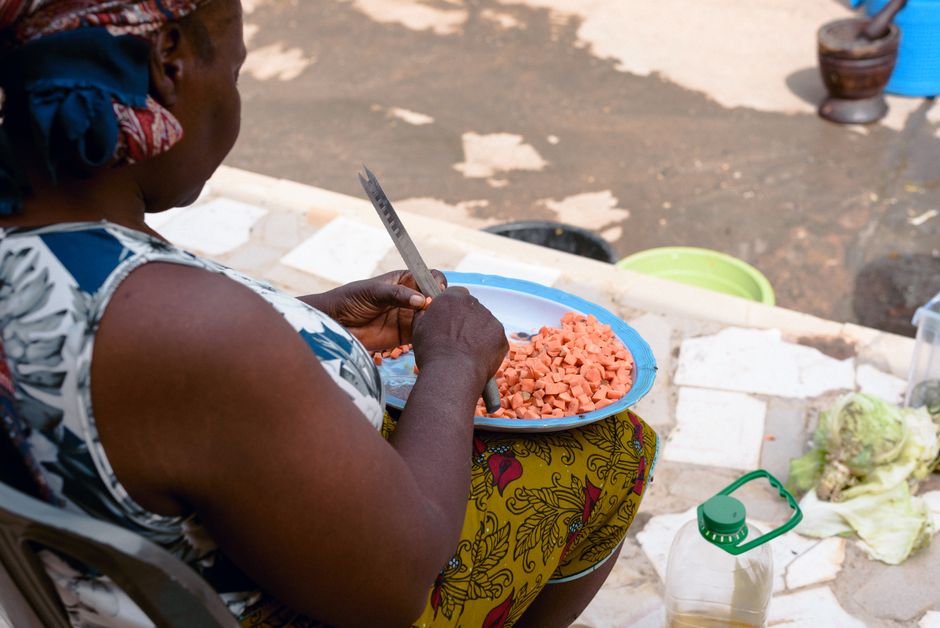
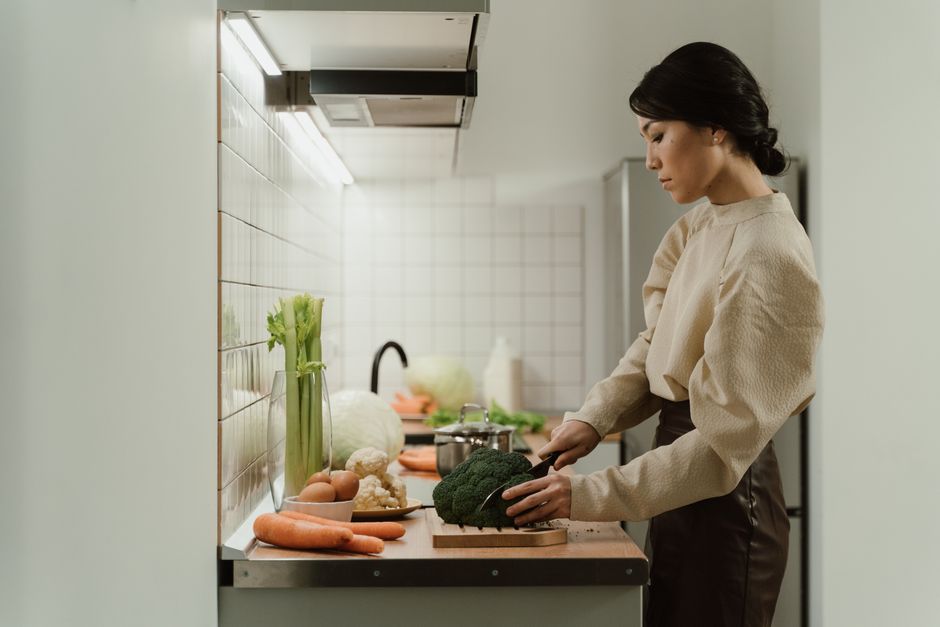
Spend some time washing, chopping, and portioning ingredients. This can include slicing tomatoes, onions, and peppers for stews or marinating chicken or fish. Having these ready-to-cook ingredients can significantly speed up your meal preparation during the week.
Storing Meals Safely
Proper storage is crucial to ensure your prepped meals stay fresh and safe to eat. Invest in airtight containers or resealable bags. Label each container with the date it was prepared to keep track of freshness.
Incorporating Nigerian Flavors
Balancing Flavors
Nigerian cuisine is renowned for its rich and diverse flavors. When meal prepping, make sure you include a variety of spices and seasonings. Stock up on essentials like curry, thyme, and pepper to enhance your dishes.
Experimenting with Recipes
Meal prep doesn't mean eating the same thing every day. Rotate your menu weekly, trying new recipes or variations of your favorite dishes. This could mean experimenting with a new vegetable in your traditional soups or trying a different protein source like fish instead of beef.
Overcoming Common Challenges
Finding Motivation
Staying motivated can be tough, especially after a long week. To keep the momentum going, remind yourself of the benefits. Create a positive meal prep environment by playing music or inviting family members to help out.
Dealing with Limited Time
If time is a constraint, start small. Even prepping just one or two meals for the week can make a difference. As you get more comfortable, gradually increase the number of meals you prepare.
Conclusion
Meal prep is a practical and rewarding approach to maintaining a healthy lifestyle, especially within the unique context of Nigerian cuisine. By planning and preparing meals in advance, you can save time, reduce stress, and enjoy nutritious, delicious meals every day. Whether you're a busy professional, a student, or a parent juggling multiple responsibilities, meal prep can fit into your routine and help you achieve your health goals.
Remember, the key to successful meal prep is consistency and experimentation. Don't be afraid to try new ingredients or recipes, and adjust as needed to suit your tastes and schedule. With practice, meal prep can become a seamless part of your lifestyle, allowing you to enjoy all the benefits of home-cooked meals without the daily hassle.