Meal prep is more than just a trend; it's a transformative approach to how we think about food, time, and health. As life in Nigeria becomes increasingly fast-paced, finding time to prepare nutritious meals can be challenging. However, meal prep offers a solution that complements our unique culinary traditions while ensuring we maintain a healthy, balanced diet.
Imagine this: After a long day at work, instead of resorting to fast food or skipping meals entirely, you have a delicious, home-cooked meal ready to be heated and enjoyed. Meal prepping ensures that you have complete control over the ingredients, portion sizes, and nutritional content of your meals. This not only saves time but also helps in managing your diet more effectively.
For Nigerians, meal prep can be particularly rewarding, as it allows for the inclusion of diverse traditional meals in your weekly menu. With strategic planning, you can enjoy your favorite dishes without compromising your health or time. Let's explore how you can incorporate meal prep into your routine, making it a valuable tool for maintaining a balanced Nigerian diet.
Understanding the Basics of Meal Prep
What is Meal Prep?
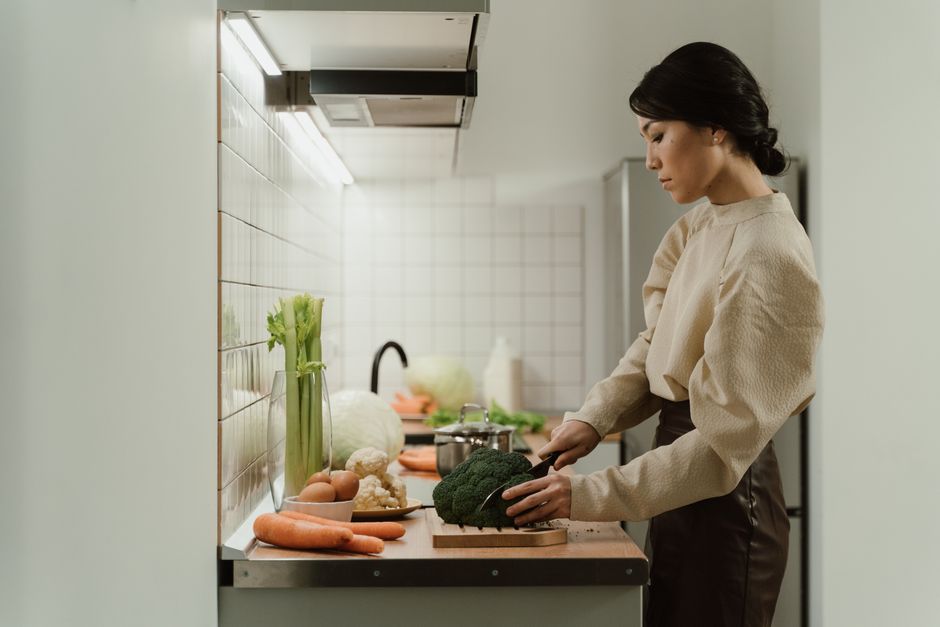
Meal prep is the process of planning and preparing your meals in advance. This could involve cooking full meals ahead of time, portioning out ingredients, or simply organizing your pantry for the week. The goal is to streamline the cooking process, reduce food waste, and save time during the week.
"Meal prep not only saves time but also encourages healthier eating habits by reducing reliance on processed foods."
Benefits of Meal Prep
- Time-Saving: Spend less time in the kitchen during the week by doing the bulk of your cooking and preparation on one day.
- Cost-Effective: Buying ingredients in bulk and planning meals ahead can save money on groceries and reduce food waste.
- Healthier Eating: Controlled portions and homemade meals typically contain fewer calories and additives compared to takeout or pre-packaged foods.
Setting Up for Successful Meal Prep
Gathering Essential Tools
To start meal prepping, you'll need some basic tools. Invest in good quality containers that are microwave-safe and airtight to keep your meals fresh. Labels and markers can help in organizing your meals and noting expiration dates.
Choosing the Right Ingredients
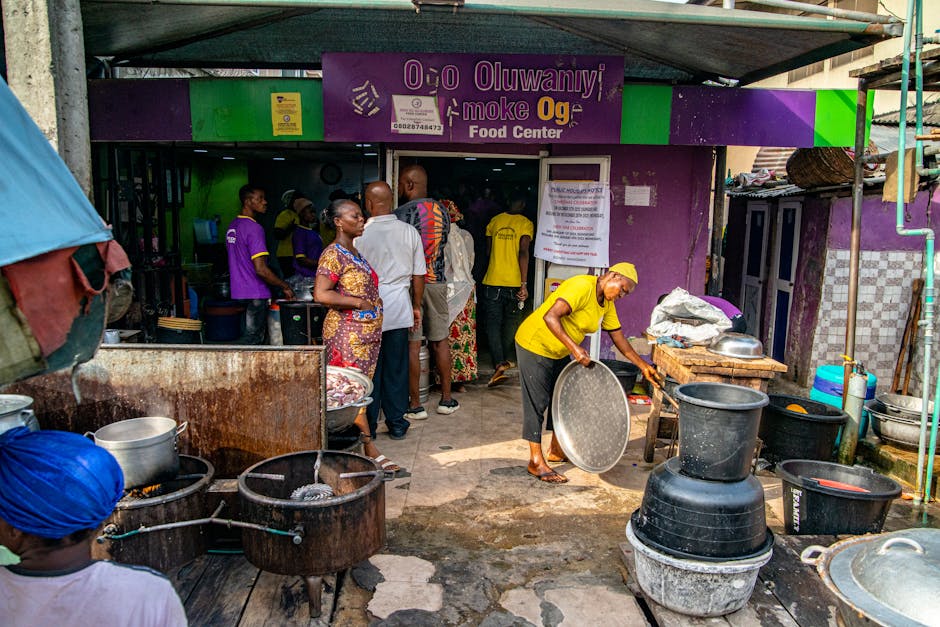
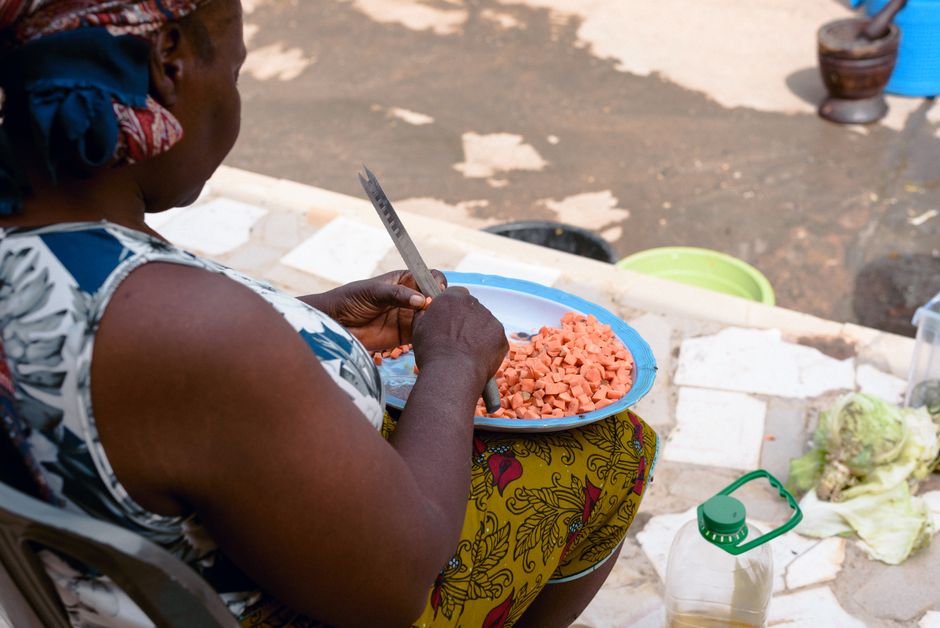
When planning your meals, focus on fresh, locally sourced ingredients. Nigerian markets offer a variety of vegetables, grains, and proteins that are ideal for nutritious meal prep. Consider incorporating staples like yam, plantain, beans, and leafy greens into your meal plans.
Cultural Considerations in Nigerian Meal Prep
Incorporating Traditional Dishes
Many Nigerian dishes can be prepped ahead of time, such as Jollof rice, Egusi soup, or Moi Moi. Prepare larger batches and store them in portions to enjoy throughout the week. This approach allows you to savor traditional flavors without the daily hustle.
Balancing Nutrition in Local Cuisine
It's important to balance your meals with the right amounts of proteins, carbohydrates, and vegetables. For instance, pairing Ebà with Okra soup provides a balanced meal with fiber, protein, and healthy fats.
Effective Meal Prep Strategies
Batch Cooking Techniques
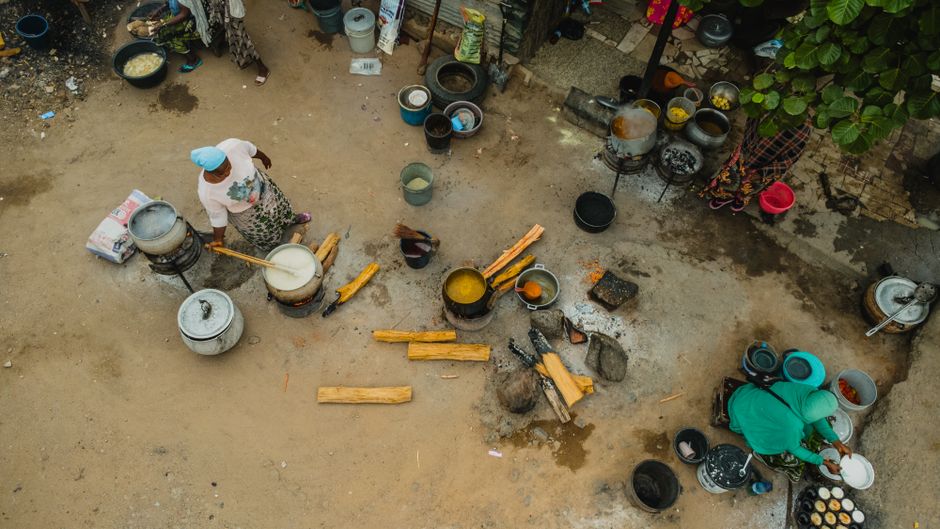
Batch cooking involves preparing large quantities of a particular dish and storing it in portions. This is ideal for recipes like stews and soups that can easily be reheated and served.
Creating a Meal Plan
Start with a weekly meal plan that outlines each meal. Include a variety of proteins, vegetables, and grains to ensure nutritional balance. Having a plan helps you stay organized and focused during grocery shopping and cooking.
Shelf Life and Storage
Understanding the shelf life of different foods is crucial for meal prep. Cooked rice and beans should be consumed within 3-4 days, while soups and stews can last up to a week when properly stored in the refrigerator or freezer.
Overcoming Common Meal Prep Challenges
Time Management Tips
If you're finding it hard to set aside time for meal prep, start small. Dedicate just an hour or two on the weekend to prep a few meals, then gradually increase as you become more comfortable with the process.
Maintaining Variety and Interest
One of the common hurdles of meal prep is monotony. To keep things interesting, rotate your recipes each week and experiment with different spices and herbs to add new flavors to familiar dishes.
"Variety is the spice of life, and in meal prep, it keeps your taste buds excited and engaged!"
Conclusion
Meal prep is a powerful tool that can transform your approach to eating. It not only supports healthier eating habits but also helps in seamlessly integrating traditional Nigerian flavors into a balanced diet. By dedicating some time each week to plan and prepare your meals, you can enjoy the benefits of homemade, nutritious food without the daily stress. Embrace meal prep today and take the first step towards a healthier, more organized lifestyle.