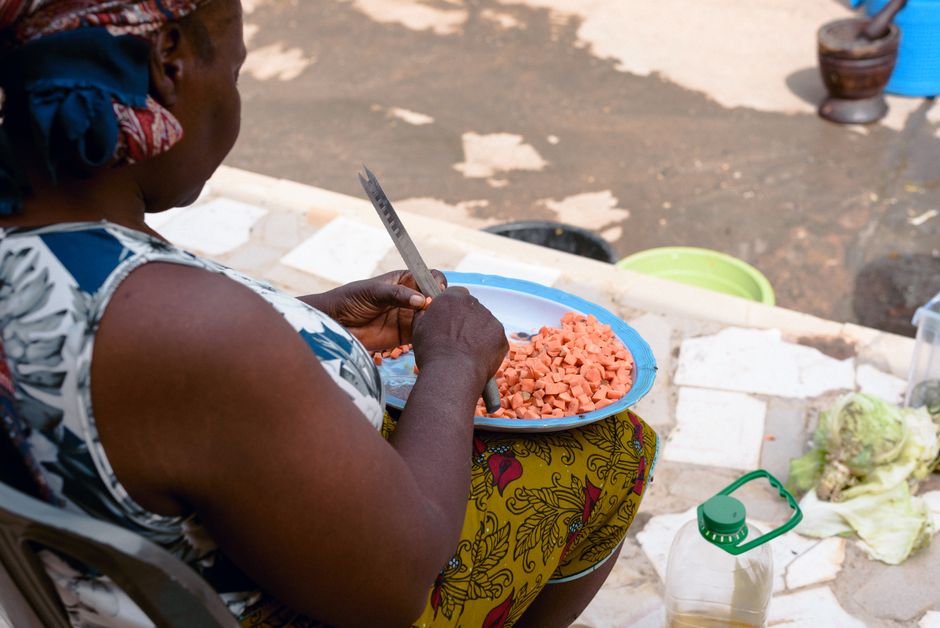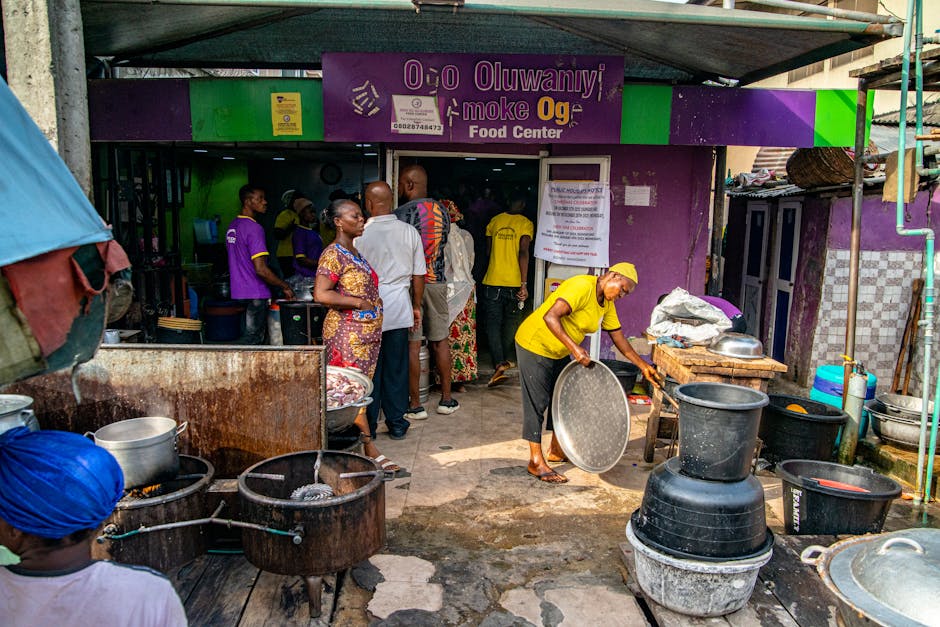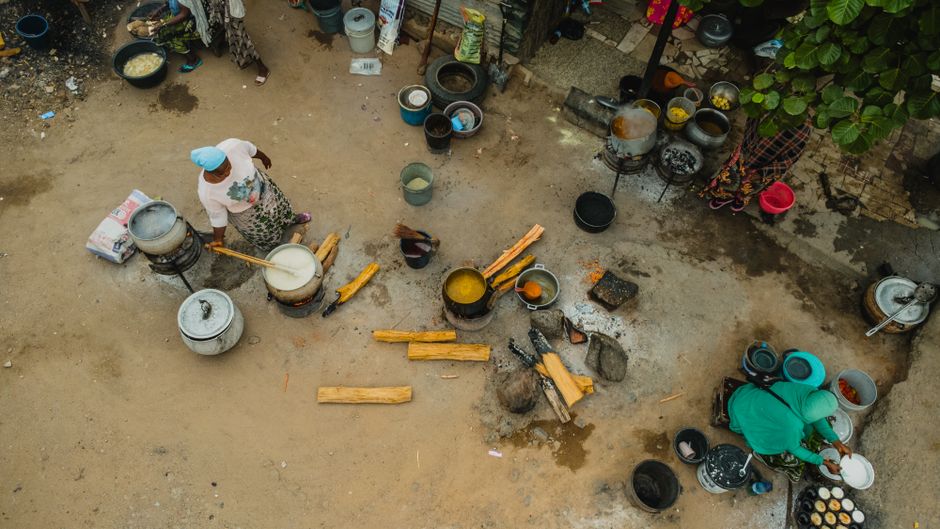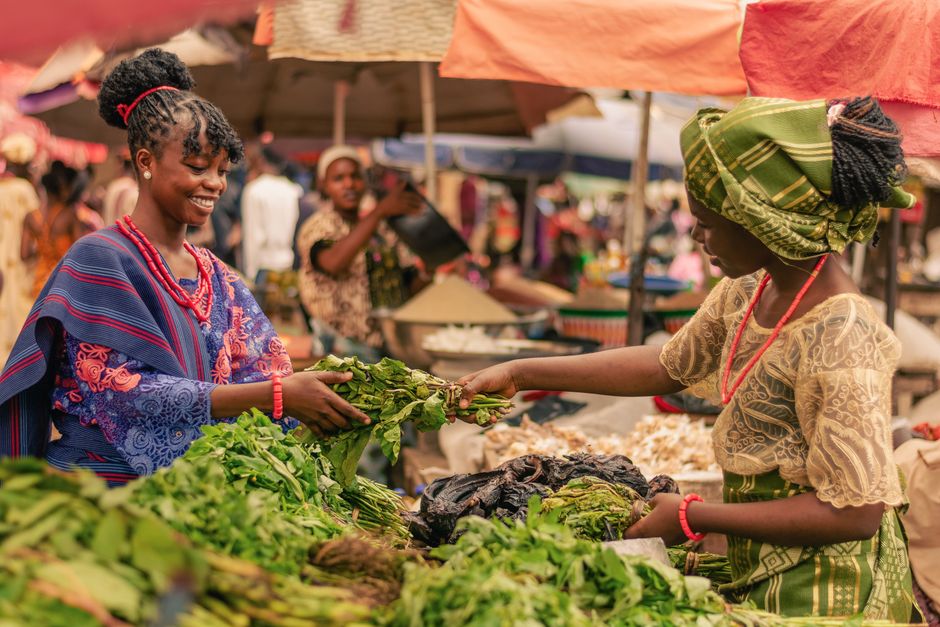
Eating healthy in Nigeria doesn't have to feel like a daunting or expensive task. With a rich variety of local foods and a bit of planning, you can enjoy nutritious meals every day without breaking the bank. Whether you're navigating the bustling markets of Lagos or enjoying the serene environs of Enugu, healthy eating is within your reach. In this article, we'll explore practical Nigerian diet tips that will help you maintain a healthy lifestyle while being mindful of your budget.
From incorporating local vegetables into your meals to choosing affordable protein sources, these tips will empower you to make healthier choices without compromising on taste or nutrition. We'll also delve into the importance of meal prep and how it can optimize both your time and resources.
The Importance of a Balanced Nigerian Diet
Nigerian cuisine is known for its rich flavors and diverse ingredients. However, achieving a balanced diet requires understanding the nutritional value of these foods and making informed choices. A balanced diet provides your body with the essential nutrients it needs to function optimally and maintain overall health.
Understanding the Nigerian Food Pyramid
The Nigerian food pyramid is a helpful guide in planning a balanced diet. It emphasizes the consumption of whole grains, fruits, vegetables, proteins, and healthy fats in appropriate portions. This structure helps ensure that you consume a variety of nutrients that are essential for your health.
- Whole Grains: Foods like brown rice, maize, and millet provide essential fiber and energy.
- Fruits and Vegetables: Incorporating fresh produce like ugu (pumpkin leaves), ewedu, and garden eggs offers vitamins and minerals.
- Proteins: Affordable sources such as beans, fish, and poultry are crucial for muscle repair and energy.
- Healthy Fats: Palm oil and groundnut provide beneficial fats that support brain function and hormone production.
"Eating a variety of foods in moderation is key to a balanced diet in Nigeria."
Affordable and Nutritious Nigerian Foods
One of the biggest misconceptions about healthy eating is that it is expensive. However, Nigeria offers a plethora of affordable, nutritious foods that can be incorporated into your daily meals.
Common Affordable Staples
Staple foods like yam, cassava, and plantains are not only affordable but also versatile. They can be prepared in various ways, providing different textures and flavors to keep meals interesting.
- Yam: Boiled, pounded, or fried, yam is rich in carbohydrates and can be paired with proteins and vegetables.
- Cassava: Used to make gari or fufu, cassava is a filling base for stews and soups.
- Plantains: When ripe or unripe, plantains can be steamed, boiled, or fried, offering a sweet or savory addition to meals.
Locally-Sourced Vegetables
Vegetables are crucial for any healthy diet, providing vitamins, minerals, and fiber. Nigerian markets are abundant with fresh, affordable options.
- Ugu (Pumpkin Leaves): A staple in many Nigerian dishes, ugu is rich in iron and can be used in soups and stews.
- Ewedu: Often used in Yoruba soups, ewedu is high in dietary fiber and vitamins.
- Garden Eggs: These small, round vegetables are excellent for adding texture and nutrients to dishes.
Practical Meal Prep Strategies
Meal prepping is an effective way to ensure that you have healthy meals ready to go, reducing the temptation to opt for less nutritious options. By preparing meals in advance, you can save time, money, and effort.
Plan Your Meals
Start by planning your meals for the week, considering which ingredients are in season and on sale. This not only helps with budgeting but also ensures you're eating fresh produce.
- Create a Shopping List: Before heading to the market, jot down all the ingredients you'll need for the week.
- Batch Cooking: Prepare large quantities of favorite dishes like jollof rice or stew, and store them in portions.
- Store Properly: Use airtight containers to keep meals fresh and prevent spoilage.
Incorporate Variety
To avoid meal fatigue, ensure that you incorporate a variety of dishes and cooking methods in your meal prep.
- Mix and Match: Combine different proteins and vegetables to keep meals interesting.
- Experiment with Spices: Explore different spice combinations to enhance flavors without adding extra calories.
Overcoming Common Dietary Challenges
Despite the abundance of healthy foods, many Nigerians face challenges in maintaining a nutritious diet. These can include time constraints, limited access to fresh produce, and cultural eating habits.
Time Management
Busy lifestyles often lead to reliance on fast foods and snacks, which are typically high in unhealthy fats and sugars.
"Effective time management is crucial for maintaining a healthy diet amidst a busy schedule."
- Meal Prep: Designate a day each week for meal prep to alleviate the stress of daily cooking.
- Quick Recipes: Learn quick recipes that can be made in under 30 minutes.
Access to Fresh Produce
In some areas, access to fresh produce can be limited. However, incorporating canned or frozen vegetables can be a viable alternative.
- Shop Local: Supporting local farmers' markets can provide fresh and often more affordable produce.
- Grow Your Own: For those with the space, starting a small home garden can ensure a steady supply of fresh vegetables.
Conclusion
Maintaining a balanced Nigerian diet doesn't have to be challenging or costly. With a keen understanding of locally available foods, strategic meal planning, and a commitment to making healthier choices, you can enjoy a nutritious diet that supports your overall well-being. Embrace the rich flavors and variety of Nigerian cuisine while nourishing your body and mind.
Whether you're on a journey to improve your health or just looking to enjoy delicious meals, these tips will guide you towards a healthier lifestyle that fits within your budget.