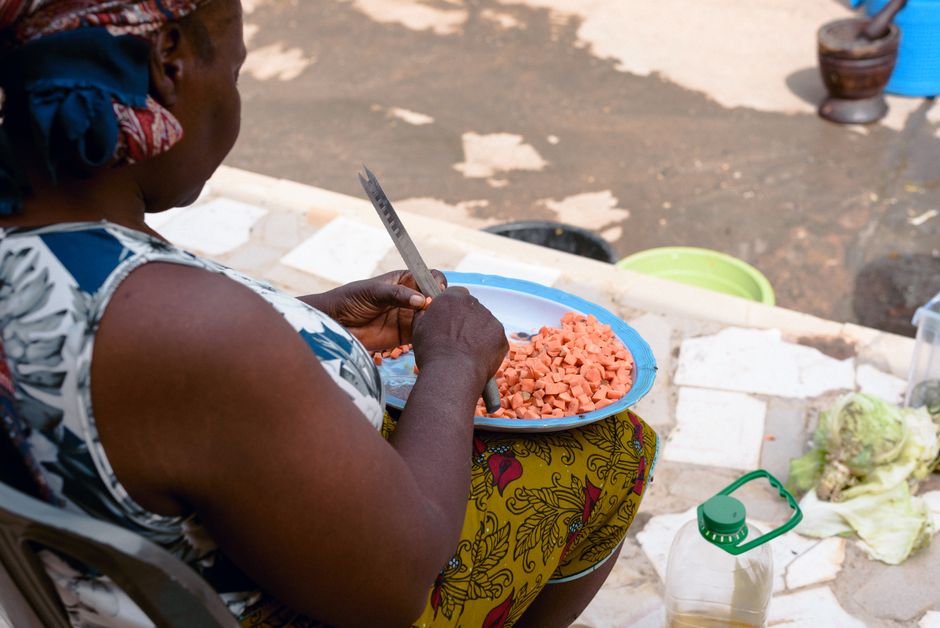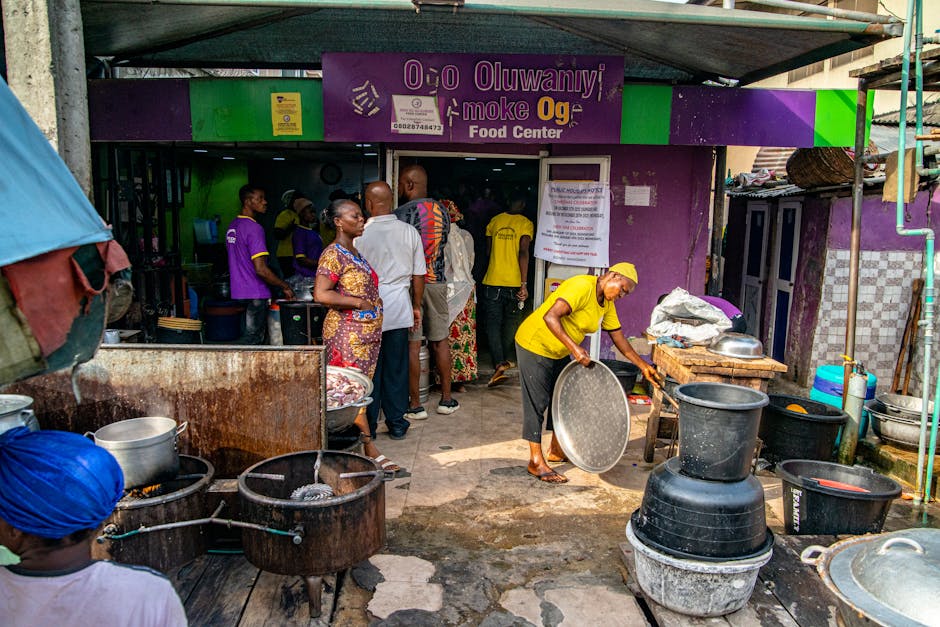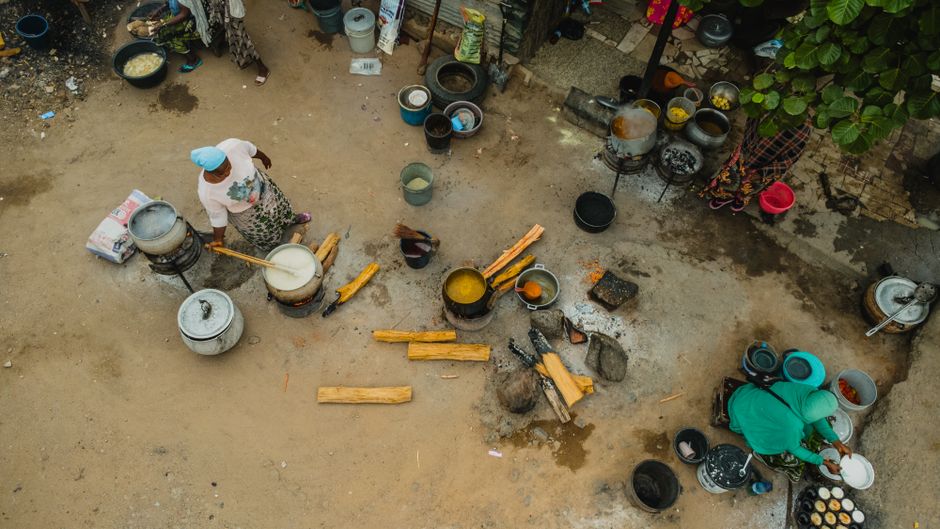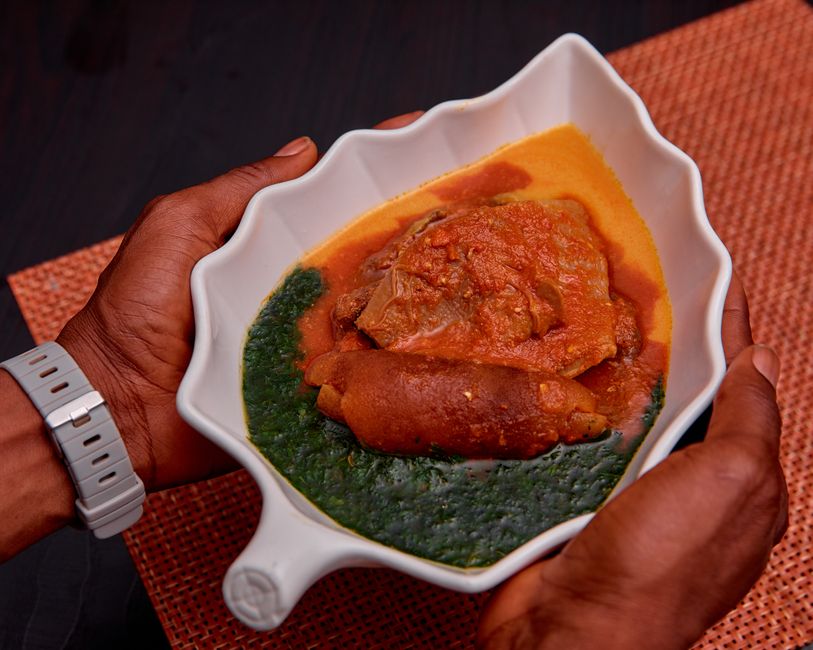
In Nigeria, the rich tapestry of local cuisine is not just about satisfying hunger; it's an experience woven into the very fabric of our daily lives. However, with the increasing prevalence of lifestyle-related diseases, it's becoming more important to focus on healthier eating habits. Navigating this journey involves familiar foods, spices, and traditional cooking methods, all while making conscious choices that benefit our health.
Whether you're a busy professional in Lagos or a student in Abuja, understanding how to incorporate healthy eating habits into your routine is crucial. Let's explore practical tips that will help you enjoy your favorite Nigerian dishes while maintaining a balanced diet.
Understanding the Nigerian Dietary Landscape
Nigeria's diverse culture is mirrored in its varied dietary practices. From the peppery jollof rice to the rich egusi soup, the abundance of flavors is endless. But how do these meals stack up nutritionally?
Traditional Nigerian Foods
Our traditional dishes are often rich in carbohydrates and fats, which are essential for energy but can be detrimental if consumed in excess. Staple foods like yam, cassava, and rice are integral to our diet but need balancing with other food groups.
- Protein sources: Incorporate more fish, beans, and chicken to balance your diet.
- Vegetables: Add greens like spinach (Ugu) and bitter leaves to your meals for essential vitamins.
- Fruits: Nigerian fruits such as pawpaw, oranges, and bananas are excellent for snacking.
The Role of Spices
Nigerians love spices, not only for flavor but also for their health benefits.
- Ginger and Garlic: Known for their anti-inflammatory properties.
- Turmeric: A great addition with its antioxidant benefits.
Balancing Nutrients for Optimal Health
Creating a balanced diet doesn't mean giving up your favorite dishes. It's about moderation and variety.
Portion Control
Healthy eating is often about how much you eat rather than what you eat. Maintaining portion control can help you manage your weight and overall health.
"Start by reducing your portions by 20% and increase your vegetable intake to fill the gap."
Mixing Food Groups
Combining carbohydrates with proteins and healthy fats can ensure you get a full range of nutrients in every meal.
- Pair your rice with vegetables and protein.
- Use whole grains like millet and sorghum instead of processed grains.
Healthy Cooking Methods
How you prepare your food is just as important as what you eat.
Reduce Oil Usage
Opt for steaming, grilling, or baking instead of frying to cut down on excess oil.
Use Fresh Ingredients
Whenever possible, use fresh ingredients instead of processed ones to reduce sodium and preservatives.
"Fresh herbs and spices not only improve taste but also add additional nutrients to your meals."
Navigating Social and Cultural Influences
Eating healthy in Nigeria can sometimes mean swimming against the tide of cultural norms and social expectations.
Social Gatherings
During gatherings, try to fill your plate with healthier options first and avoid going back for seconds.
Meal Planning
Effective meal planning can keep you on track even during busy weeks. Consider preparing your meals in advance to avoid unhealthy options.
Final Thoughts
Embracing a healthy diet doesn't mean giving up on Nigerian flavors or traditions. By making small, consistent changes and prioritizing a balanced diet, you can enjoy your food and nurture your health simultaneously. Remember, it's about creating sustainable habits that fit your lifestyle and preferences.