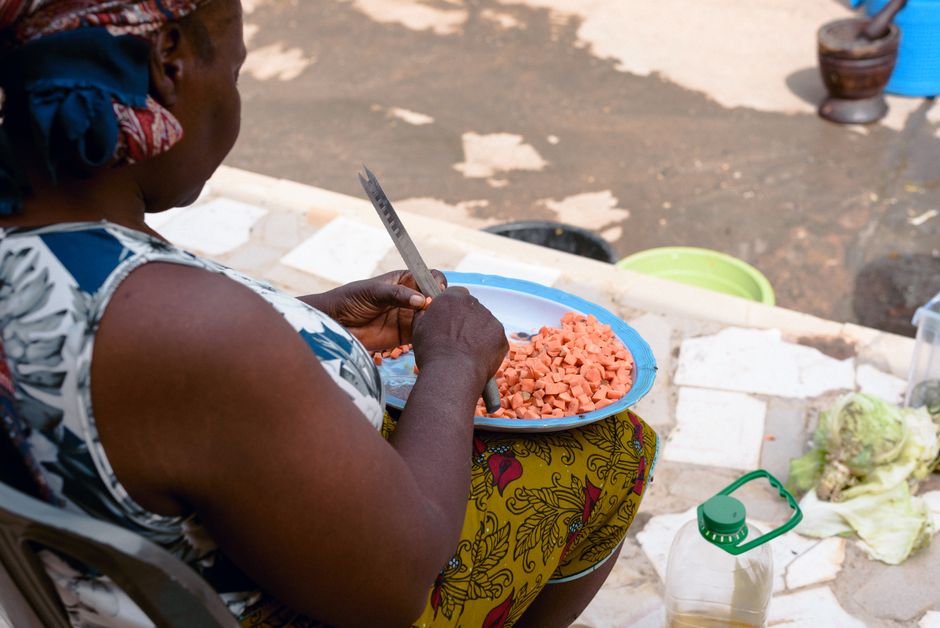
In Nigeria, where the culinary landscape is as diverse as its people, maintaining a healthy diet can be both a delightful journey and a formidable challenge. The rich array of traditional dishes, from Jollof rice to Egusi soup, showcases a vibrant palette of flavors and nutrients. However, navigating this abundance requires a keen understanding of nutrition and a commitment to smart choices. Whether you're striving for weight loss, improved energy, or general wellness, embracing healthy eating habits is crucial in achieving these goals.
This guide aims to provide you with actionable Nigerian diet tips that are not only practical but also deeply intertwined with our rich cultural heritage. By focusing on local ingredients and time-tested practices, you can create a balanced diet that honors tradition while promoting health.
Let's embark on this journey towards healthier eating, tailored specifically for the Nigerian palate.
Understanding Nutrition Basics
Macronutrients: The Building Blocks
Macronutrients are essential for maintaining energy levels and overall health. They include carbohydrates, proteins, and fats, each playing a unique role in the body.
- Carbohydrates: These are the main source of energy. Foods like yams, cassava, and rice are staple sources of carbs in Nigeria.
- Proteins: Key for muscle repair and growth. Nigerian diets often include fish, beans, and chicken.
- Fats: Necessary for nutrient absorption and energy. Palm oil and groundnut oil are common in Nigerian cooking.
Micronutrients: Vital Vitamins and Minerals
Micronutrients, though needed in smaller amounts, are crucial for various body functions. A deficiency can lead to health issues.
"Incorporating a variety of fruits and vegetables ensures you get a broad spectrum of micronutrients," says Dr. Ade, a nutrition expert.
Leafy greens like spinach and ugwu, fruits like oranges, and tubers like sweet potatoes are excellent sources.
Incorporating Local Ingredients for Health
The Benefits of Local Foods
Local foods are not only more affordable but also fresher and more aligned with our digestive systems, making them an ideal choice for healthy eating.
- Plantain: Rich in fiber and vitamins, it can be boiled, fried, or roasted for versatile meals.
- Okra: Known for its mucilaginous texture, it's great for soups and stews, aiding digestion.
- Beans: A powerhouse of protein and fiber, perfect for soups or cooked as moi-moi.
Recipes to Try
Experimenting with local ingredients can lead to delicious and nutritious meals.
- Egusi Soup: Pair with pounded yam for a hearty meal.
- Jollof Rice: Enhance with vegetables and lean protein for a balanced dish.
- Moi-Moi: A steamed bean cake, perfect as a snack or side.
Meal Planning and Preparation
Setting Up a Meal Plan
Planning meals ahead can save time and ensure dietary needs are met. Start by setting realistic goals based on your lifestyle and nutritional needs.
- Identify your dietary goals: weight loss, maintenance, or muscle gain.
- Choose foods that align with your goals and local availability.
- Prepare a weekly menu, incorporating a balance of macronutrients.
Efficient Meal Prep Techniques
Meal prepping can streamline your week and help you stick to healthy choices.
- Cook in bulk: Make large batches of soups or stews to freeze.
- Prep ingredients: Chop vegetables and marinate proteins in advance.
- Use storage wisely: Invest in good quality storage containers for easy access.
Overcoming Common Challenges
Dealing with Cravings
Cravings can derail even the best dietary intentions. Understanding and managing them is vital.
"Cravings often stem from nutritional deficiencies or emotional triggers," notes nutritionist Dr. Chike.
Focus on nutrient-dense foods to curb cravings and stay hydrated to avoid mistaking thirst for hunger.
Eating Out and Social Gatherings
Social events can pose challenges to healthy eating. Plan ahead to navigate these without stress.
- Opt for grilled or steamed dishes when eating out.
- Inquire about cooking methods to make informed choices.
- Practice portion control and savor each bite.
Conclusion
Transitioning to a healthier diet within the Nigerian context is entirely achievable with the right knowledge and strategies. By understanding nutrition basics, incorporating local ingredients, and planning meals effectively, you can create a sustainable lifestyle that supports your wellbeing while honoring cultural traditions. Remember, the journey to healthy eating is a marathon, not a sprint. Small, consistent changes will make a significant impact over time.