In the bustling world of today, finding time to cook nutritious meals can be quite the challenge, especially in Nigeria where busy lifestyles are the norm. But what if you could enjoy home-cooked meals without the daily hustle? Enter meal prep—an efficient way to ensure you always have healthy food ready, no matter how packed your schedule gets.
With the rise of fast food and convenience eating, meal prepping is a game changer for those looking to maintain a healthy diet and embrace the rich flavors of Nigerian cuisine. Whether you're a student, a working professional, or a busy parent, mastering the art of meal prep can significantly impact your health and well-being.
Understanding Meal Prep
Meal prep involves preparing meals or meal components in advance to ensure you have food ready to eat throughout the week. This practice not only saves time but also encourages healthier eating habits by reducing reliance on takeout or fast food.
Types of Meal Prep
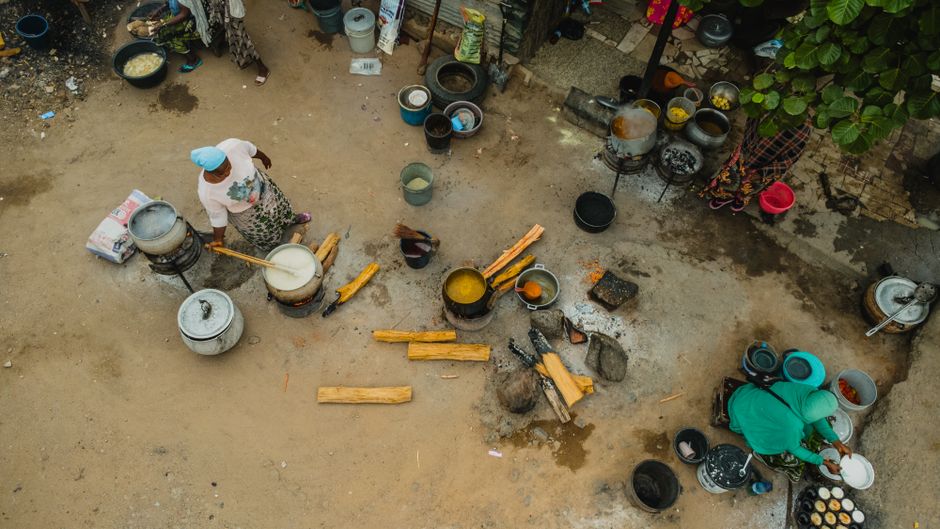
- Batch Cooking: Preparing large quantities of a recipe and storing it for future meals.
- Make-Ahead Meals: Fully cooked meals that are stored in the refrigerator or freezer to be reheated later.
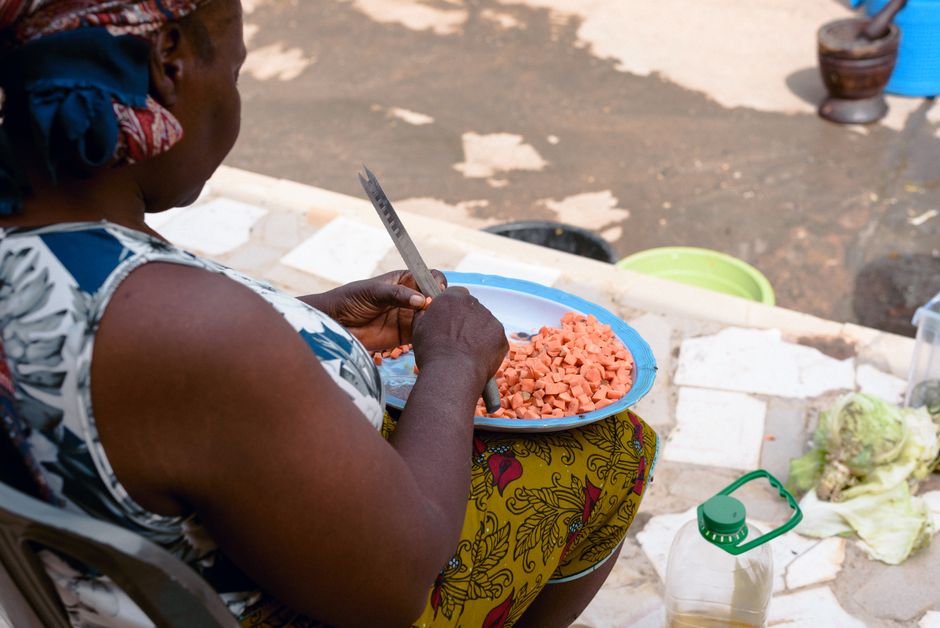
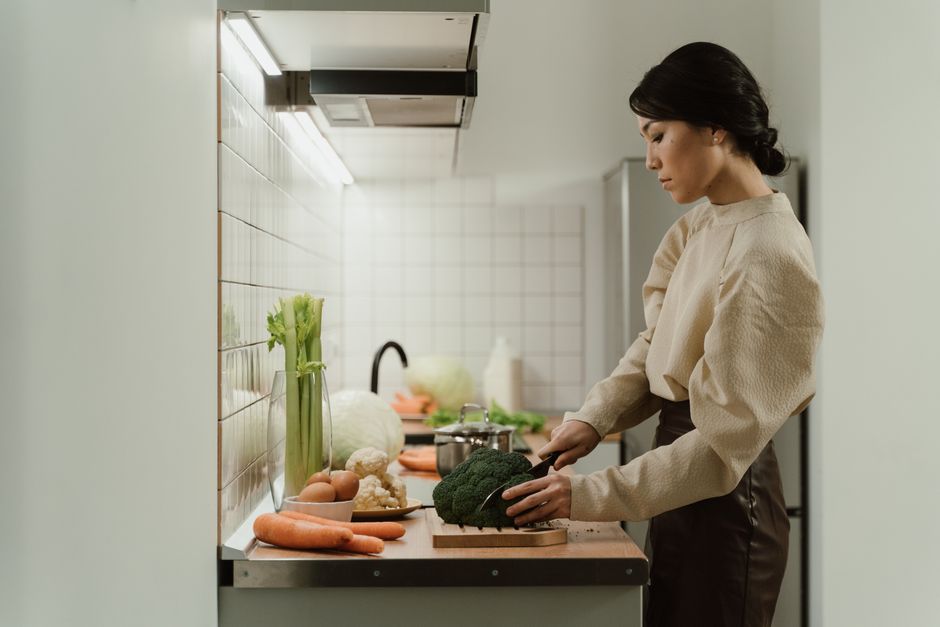
- Ingredient Prep: Prepping individual ingredients ahead of time for quicker cooking during the week.
"Meal prep is not about making perfect meals; it's about making the week a bit easier and healthier."
Why Meal Prep is Perfect for Nigerians
In a country as diverse and vibrant as Nigeria, where meals often reflect local traditions and family heritage, meal prep can be particularly beneficial. Here’s why:
Time-Saving Benefits
With long commutes and demanding work hours, meal prepping can be a lifesaver. It frees up time during the week, allowing you to focus on other important tasks.
Budget-Friendly
Cooking in bulk and buying in bulk often reduces costs. You can save money by minimizing food waste and avoiding daily food purchases.
Healthier Eating
When meals are prepped in advance, you're less likely to opt for unhealthy, quick-fix options. Meal prep ensures that nutritious, home-cooked meals are readily available.
Essential Meal Prep Tips for Nigerians
Plan Your Meals
Start by creating a weekly meal plan. Consider incorporating traditional Nigerian dishes that can be easily stored and reheated, such as jollof rice, beans, and plantain.
Invest in Quality Storage Containers
Using the right containers can make all the difference. Opt for airtight, microwave-safe containers to keep food fresh and easy to reheat.
Utilize Local Ingredients
Take advantage of the abundance of fresh produce available at local markets. Ingredients like yams, cassava, and leafy greens can be prepared in advance and used in various dishes.
Prep Smart, Cook Efficiently
On your designated meal prep day, batch-cook staples like rice and beans. Chop vegetables in advance and marinate proteins to enhance flavor and reduce cooking time during the week.
"Your plan is your recipe for success. Each meal is a testament to your dedication to health and convenience."
Balancing Meal Prep with Nigerian Flavors
Traditional Nigerian cuisine is rich in flavor and variety. By incorporating these elements into your meal prep, you can enjoy authentic dishes without the daily effort.
Spice It Up
Pre-mix your spices and seasonings. Create spice blends that represent Nigerian flavors, such as a mix for stews or suya spice for grilling.
Fluidity and Flexibility
While planning is essential, allow room for spontaneity. Swap meals around as needed and maintain a balance between structure and flexibility.
Focus on Balanced Nutrition
Ensure each meal includes a balance of macronutrients—carbohydrates, proteins, and fats. Include fruits and vegetables for vitamins and minerals.
Final Thoughts
Embracing meal prep within the realm of Nigerian cuisine provides a wonderful opportunity to merge tradition with modern efficiency. By dedicating some time each week to preparing your meals, you can enjoy the rich flavors of Nigerian dishes while maintaining a nutritious diet. Meal prep is more than just a trend; it's a lifestyle choice that can lead to better health, more free time, and a deeper appreciation for your cultural culinary roots.