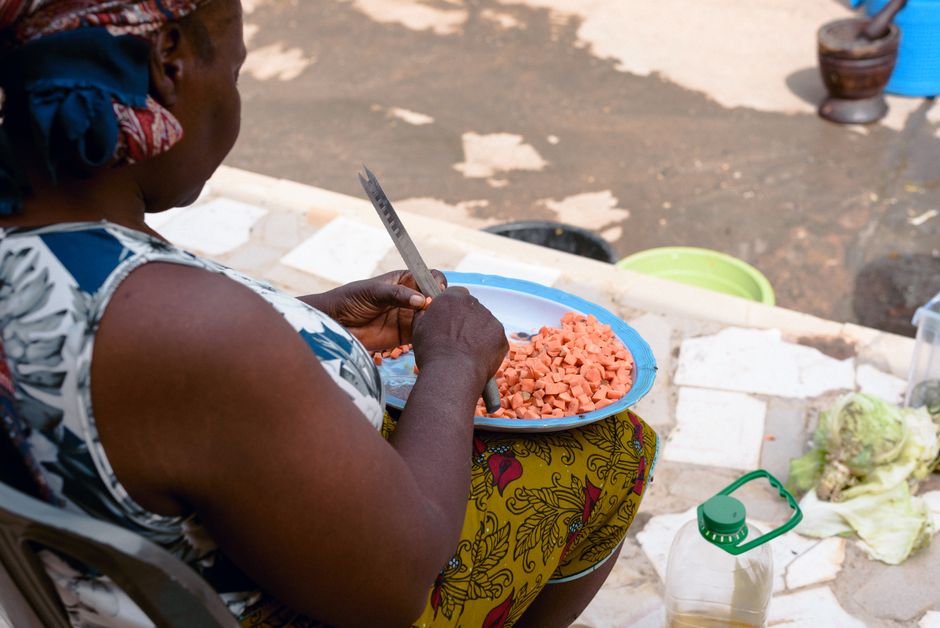
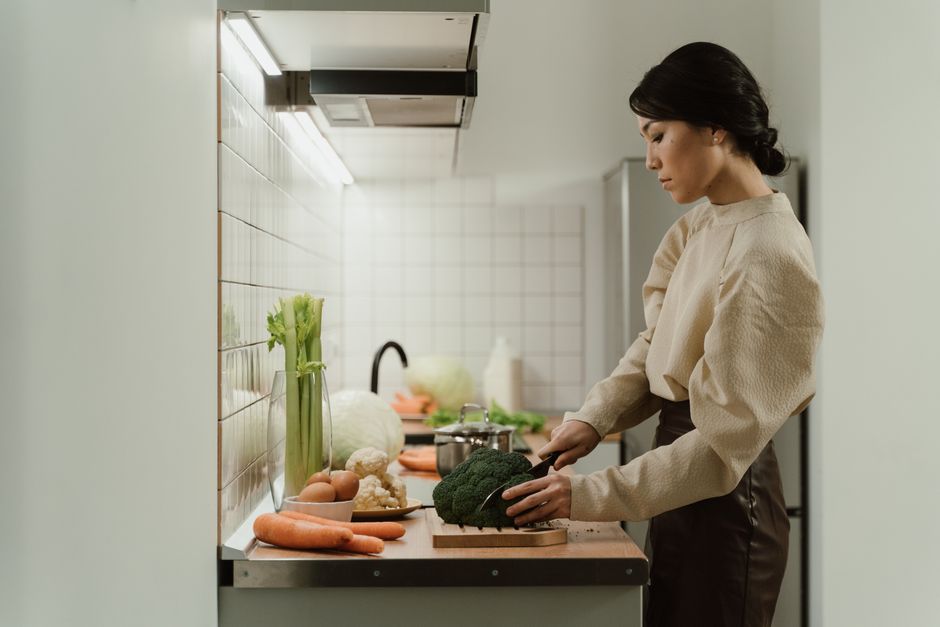
Imagine coming home after a long, bustling day in Lagos, greeted by the tantalizing aroma of freshly cooked Jollof rice or a warm, spicy bowl of Egusi soup. This imagery might seem like a dream if you rely on fast food or late-night takeout. However, with the right meal prep strategies, you can enjoy delicious, homemade Nigerian meals without breaking a sweat during your busy week.
Meal prep isn't just a trend; it's a powerful tool that can transform your eating habits, save you money, and ensure you're nourishing your body with the right nutrients. For Nigerian readers, meal prep can be especially rewarding as it allows you to stay connected to your culinary heritage while managing modern life demands. Let's dive into how you can master meal prep with Nigerian cuisine staples, making healthy eating accessible and enjoyable.
Understanding the Basics of Meal Prep
What is Meal Prep?
Meal prep involves preparing meals or meal components in advance, making it easier to enjoy home-cooked meals without the daily cooking hassle. This can range from pre-chopping vegetables to fully cooking meals that just need reheating.
Why Meal Prep is Beneficial
- Time-saving: Spend less time in the kitchen each day.
- Cost-effective: Reduce food waste and save money.
- Healthy eating: Control ingredients and portion sizes.
- Stress reduction: Avoid last-minute cooking stress.
"Meal prep is an investment in your health, saving you time and stress while ensuring you eat nutritious meals."
Essential Ingredients for Nigerian Meal Prep
Staple Foods
- Rice: A versatile base for dishes like Jollof and fried rice.
- Yam: Use for pounded yam or as a side dish.
- Beans: Prepare for akara or moi moi.
Vegetables and Greens
- Ugu (Pumpkin Leaves): Rich in nutrients, perfect for soups.
- Bitter Leaf: Adds a unique flavor to stews.
- Okra: Ideal for soups and stews.
"Stock up on staple ingredients like rice, yam, and beans to streamline your meal prep routine."
Step-by-Step Nigerian Meal Prep Guide
Planning Your Meals
Begin by outlining your weekly meal plan. Include a variety of dishes to keep your meals exciting and nutritious. Consider traditional recipes like Egusi soup, Jollof rice, and Efo Riro.
Batch Cooking Techniques
Cook large quantities of staple foods such as rice and beans, then portion them into individual servings. This approach ensures you always have a quick meal option on hand.
Storage Tips
- Use airtight containers to keep your meals fresh.
- Label each container with the date to track freshness.
- Freeze portions of soups and stews for long-term storage.
Incorporating Variety and Flavor
Mix and Match
To avoid monotony, create diverse meals by mixing different staple foods with various meats and vegetables. For instance, pair Jollof rice with grilled chicken and a side of sautéed greens.
Spicing it Up
- Add spices like cayenne pepper, curry powder, and thyme to enhance flavors.
- Experiment with different herbs to discover new taste profiles.
"Variety is the spice of life; incorporate different ingredients and spices to keep your meals exciting."
Meal Prep for Special Diets
Vegetarian Options
Opt for plant-based proteins like beans and tofu. Experiment with vegetable-rich dishes like ewedu or okra soup.
Low-Carb Meal Prep
For those watching their carb intake, focus on high-protein meals with vegetables. Pounded yam can be replaced with alternatives like cauliflower mash.
Conclusion
Embracing meal prep using Nigerian ingredients can revolutionize your approach to healthy eating. By planning and preparing in advance, you can enjoy the rich flavors of your favorite dishes while maintaining a balanced diet. Whether you're a busy professional or a parent on the go, these strategies can help ensure you always have nutritious meals ready, connecting you to your roots and promoting wellbeing.