In today's fast-paced world, where the hustle and bustle of Nigerian life could be overwhelming, meal prepping is an invaluable skill. Imagine coming home after a long day, knowing you have a delicious, homemade meal waiting to be heated and enjoyed. Not only does this save time, but it also ensures you maintain a healthy diet without resorting to fast food or junk options. Whether you're a busy professional in Lagos or a student juggling multiple responsibilities, learning how to meal prep can transform your dietary habits and enhance your lifestyle.
Meal prepping is more than just a trend; it's a practical approach to managing your time and nutrition. By dedicating a few hours each week to preparing your meals, you can control your portions, save money, and reduce food waste. It's like having a personal chef — only that chef is you, and you get to decide what's on the menu!
This comprehensive guide will take you through the essentials of meal prepping in a Nigerian context. From understanding your nutritional needs to selecting the right ingredients and recipes, we've got you covered. Let's dive into the world of meal prep and unlock the secrets to maintaining a healthy, balanced Nigerian diet.
Understanding Nigerian Nutrition Needs
Before you begin meal prepping, it's crucial to understand the nutritional needs unique to the Nigerian diet. The diversity of local cuisines offers a rich palette of nutrients, but balancing them is key.
Balancing Macronutrients
Nigerian meals are often rich in carbohydrates, thanks to staples like rice, yam, and cassava. While these provide essential energy, balancing them with proteins and fats is crucial for a wholesome diet.
- Proteins: Incorporate beans, fish, chicken, or goat meat.
- Fats: Use healthy oils like palm oil in moderation, and consider avocados and nuts.
- Carbohydrates: Opt for complex carbs such as plantains and whole grains.
Micronutrients and Hydration
While macronutrients are vital, don't overlook the importance of vitamins and minerals. Fruits and vegetables like okra, spinach, and mangoes are excellent sources.
Hydration is another critical aspect. Ensure you drink enough water, especially in hotter climates, to maintain health and support digestion.
"A balanced diet with the right proportion of macronutrients and micronutrients is the cornerstone of good health."
Essential Tools for Meal Prep
Having the right tools can make meal prepping more efficient and enjoyable. Here's what you'll need:
Storage Containers
Invest in high-quality, reusable storage containers. Glass or BPA-free plastic options are ideal for keeping your meals fresh and safe.
- Choose various sizes for different meal portions.
- Opt for containers with compartments for easy portion control.
- Ensure they are microwave-safe if you'll be reheating meals.
Cooking Equipment
While you likely have basic cooking tools, consider these for a smoother meal prep experience:
- Slow Cooker: Perfect for stews and soups that cook while you handle other tasks.
- Blender: Ideal for making smoothies and sauces.
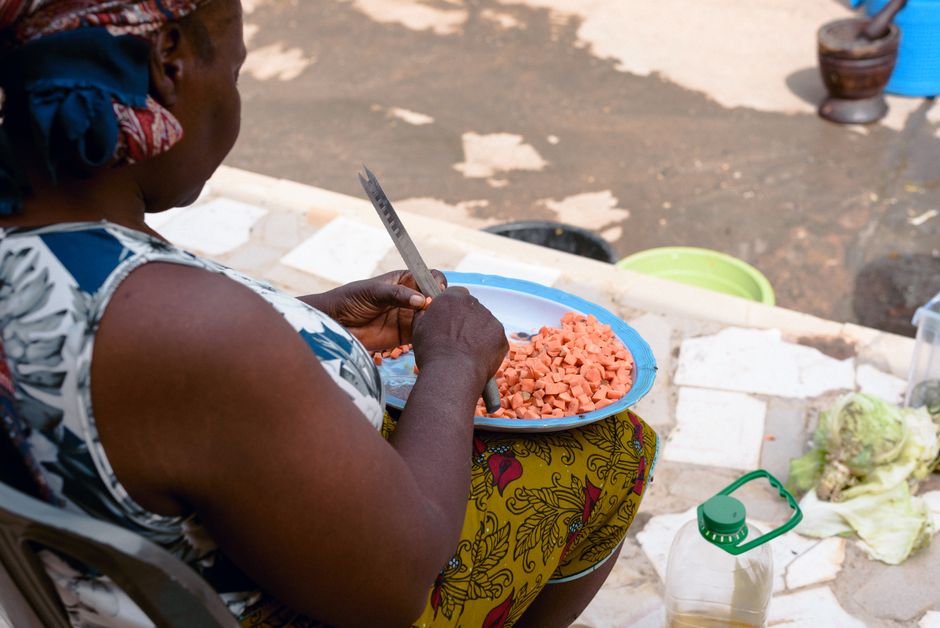
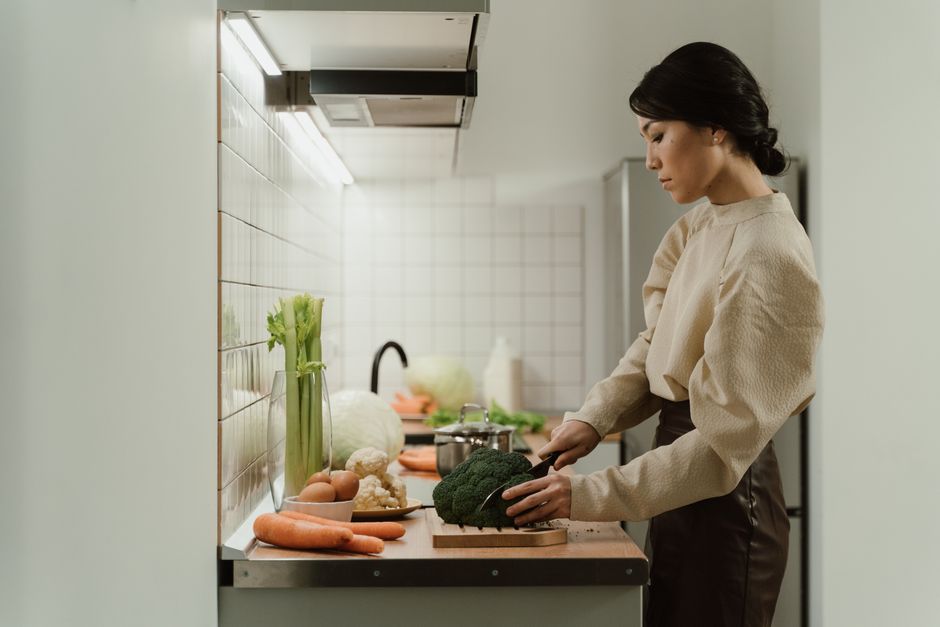
- Sharp Knives: Essential for efficient chopping and slicing.
Planning Your Meals
Effective meal prep starts with planning. This involves selecting recipes, creating a shopping list, and scheduling your prep time.
Choosing Recipes
Select meals that align with your nutritional goals and preferences. Consider traditional Nigerian dishes that can be easily stored and reheated.
- Jollof Rice: A crowd favorite that can be paired with vegetables and protein.
- Egusi Soup: Rich in flavor and nutrients, perfect with fufu or rice.
- Moin Moin: A protein-packed alternative for breakfast or snacks.
Creating a Shopping List
Once you've chosen your recipes, list out all the ingredients you'll need. Group them by category for easier shopping.
Buying in bulk can save money and ensure you always have essentials on hand. Visit local markets for fresh produce, and take advantage of seasonal offerings.
Scheduling Prep Time
Set aside a specific day or time each week for meal prepping. Many people find weekends work best, but choose whatever fits your schedule.
Start with easy tasks like washing and chopping vegetables. As you build confidence, you'll become more efficient and may even find meal prepping therapeutic.
Executing the Meal Prep
With your plan in place, it's time to execute. Stick to your schedule and use your tools effectively.
Batch Cooking
Cooking in batches saves time and energy. Prepare large quantities of staple foods like rice, beans, or soups that can be portioned out.
- Cook grains and beans separately, then mix them with different vegetables and proteins each day for variety.
- Utilize your slow cooker for dishes that require longer cooking times.
Portioning and Storing
Once your meals are ready, portion them into your containers. This helps with portion control and ensures you have meals ready for the week.
Label each container with the date and contents to keep track of freshness. Store meals in the fridge or freezer based on how soon you'll consume them.
"Meal prepping is not just about food; it's about creating a lifestyle that promotes health and wellbeing."
Maintaining Variety and Interest
One of the challenges of meal prepping is maintaining variety to prevent boredom. Here are some tips:
Rotating Recipes
Regularly rotate your recipes to keep meals exciting. Explore different Nigerian cuisines — from Yoruba to Igbo, each offers unique flavors.
Introduce new ingredients or spices to familiar dishes for a fresh twist. For instance, add coconut milk to jollof rice for a creamy variation.
Incorporating Seasonal Produce
Take advantage of seasonal produce for variety and cost-effectiveness. In-season fruits and vegetables are often fresher and more affordable.
- Try a salad with mangoes during the peak season.
- Include leafy greens like ugwu when they are abundant.
Conclusion
Meal prepping is an empowering tool that, when done right, can revolutionize the way you approach eating. By planning and preparing your meals in advance, you not only ensure a balanced diet but also gain more control over your schedule and finances. The journey to mastering meal prep requires patience and practice, but the rewards are worth every effort. As you embrace this healthy habit, you'll find yourself enjoying a variety of delicious, home-cooked Nigerian meals, with more time to savor the joys of life.