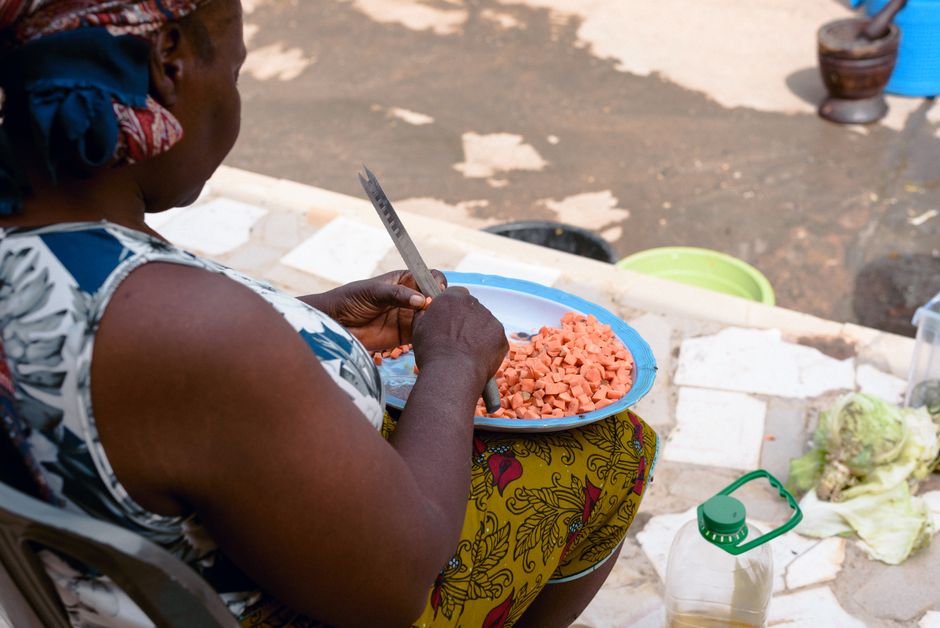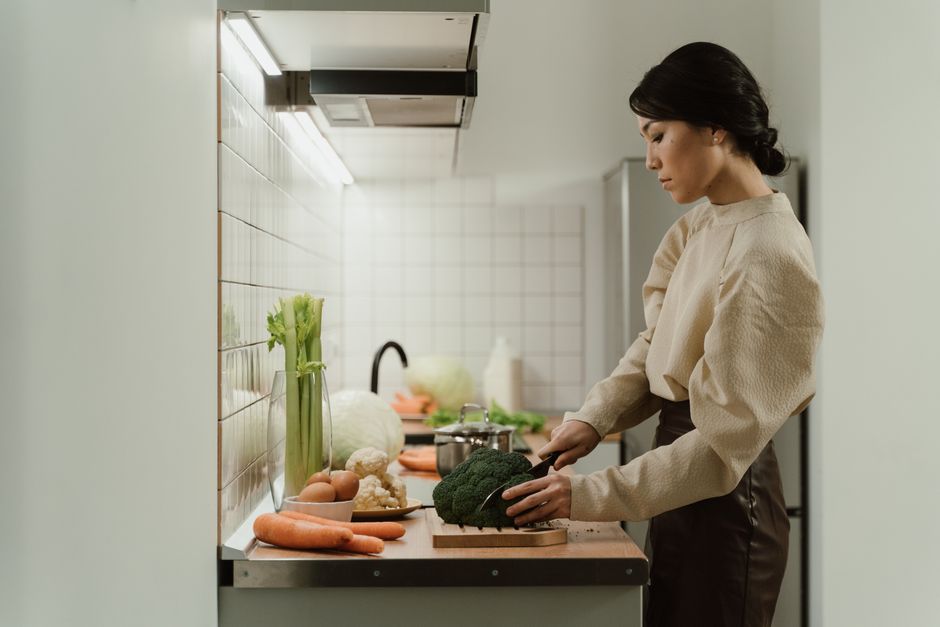
Meal prepping has become a go-to strategy for many health and fitness enthusiasts around the world. But the idea of preparing meals in advance isn't just for those living in Western countries. Right here in Nigeria, busy schedules, demanding jobs, and family responsibilities make meal prepping a helpful tool. Imagine not having to worry about what to cook every day, saving money, and still keeping your diet nutritious and balanced. If you've been thinking about how to incorporate meal prepping into your lifestyle with a focus on Nigerian dishes, you're in the right place.
The primary keyword here is Nigerian meal prep, and by the end of this article, you'll know exactly how to streamline your cooking process. We'll explore everything from the essential tools you need, to tips on how to store your food properly, and even a few meal ideas to get you started. It's all about making your week easier while ensuring you and your family enjoy homemade meals packed with flavors unique to our culture. So, let's dive into the world of Nigerian meal prep!
Understanding the Basics of Meal Prepping
Before diving into the specifics of Nigerian meals, it's crucial to understand what meal prepping entails. Meal prepping involves planning and preparing your meals in advance, either for the week or a few days. This process can range from simply cutting vegetables and fruits to cooking entire meals ahead of time.
Why Meal Prep?
- Time-saving: By preparing meals in advance, you spend less time cooking daily.
- Cost-effective: Buying ingredients in bulk can save money.
- Healthier Eating: It helps you avoid unhealthy last-minute food choices.
- Portion control: Prepping meals in advance allows for better portion management.
Essential Tools for Meal Prepping
- Storage containers: Invest in a variety of sizes to store different meals.
- Sharp knives: Essential for quick and efficient chopping.
- Chopping boards: Have separate boards for meat and vegetables to avoid cross-contamination.
- Freezer bags: Perfect for storing and freezing portions.
"Good meal prep starts with the right tools. Equip your kitchen, and you'll find the process much easier."
Nigerian Meal Prep Staples
Nigerian cuisine is rich and diverse, and meal prepping allows you to explore it more deeply without the daily time investment. Here are some staples you might consider including in your meal prep:
Proteins
- Chicken and Turkey: These can be grilled, baked, or fried in advance. They freeze well and can be added to soups or stews.
- Fish: Try mackerel or tilapia, seasoned and cooked ahead of time.
- Peso (Beans): A rich source of protein that can be prepared as a stew and frozen.
Carbohydrates
- Rice: Jollof or fried rice can be cooked in bulk.
- Yam and Plantain: These can be boiled or fried ahead of time and stored.
- Garri (Cassava Flour): Make eba in advance and store it in the fridge.
Vegetables
- Leafy Greens: Spinach or ugu can be washed, chopped, and stored for soups and stews.
- Tomato and Pepper Mix: Blend and store in portions for stews and jollof rice.
Step-by-Step: How to Meal Prep Nigerian Dishes
If you're new to meal prepping, starting with a simple plan can make the process less daunting. Here's a step-by-step guide to get you started:
Step 1: Plan Your Menu
Decide on the meals you'd like to prepare for the week. Consider variety to avoid monotony. A typical Nigerian weekly menu might include jollof rice, egusi soup, and yam porridge.
Step 2: Make a Shopping List
Write down all the ingredients you'll need. Buying in bulk from local markets can be economical.
Step 3: Allocate a Prep Day
Choose a day when you have time to dedicate several hours to cooking and organizing your meals. Sunday afternoons often work well for this.
Step 4: Cook and Store
Prepare your meals according to your menu. Allow them to cool before portioning them into containers and storing them in the fridge or freezer.
"The secret to successful meal prepping is a detailed plan. The more organized you are, the smoother the process."
Storage and Safety Tips
How you store your meals is just as important as the prepping itself. Here's how to keep your food safe and delicious throughout the week:
Refrigeration
- Store meals you plan to eat within three days in the refrigerator.
- Use airtight containers to maintain freshness.
Freezing
- For meals meant for later in the week, freezing is ideal.
- Label all containers with the date and meal type for easy identification.
Reheating
- Thaw frozen meals overnight in the fridge before reheating.
- Ensure that meals are heated thoroughly before consumption.
Final Thoughts
Embarking on a meal prep journey can seem overwhelming at first, but with time, it's a lifestyle change that offers immense benefits. Through careful planning and execution, you can enjoy the rich, flavorful taste of Nigerian cuisine without the daily hustle. Not only does this approach save time, but it also ensures that you and your family maintain healthy eating habits. Remember, the key to a successful meal prep lies in the planning, so start small, and gradually expand your repertoire as you gain confidence.