In Nigeria, where the hustle and bustle of daily life can often leave little time for cooking, mastering the art of meal prep can be a game-changer. Imagine coming home after a long day and having a delicious, home-cooked meal ready to heat and eat. Not only does meal prep save time, but it also ensures you’re eating healthy, balanced meals without the stress of daily cooking.
Whether you're a busy professional, a student, or a parent juggling multiple responsibilities, meal prep can help you maintain a nutritious diet while saving money. In this article, we'll dive into practical and efficient meal prep tips tailored for Nigerian cuisine, so you can enjoy traditional flavors with contemporary convenience.
Understanding Meal Prep Basics
What Is Meal Prep?
Meal prep is the practice of planning and preparing your meals in advance. It involves cooking your meals for the week in one go, then storing them in the fridge or freezer. This way, you eliminate the daily task of cooking, allowing you more time to focus on other important activities.
Benefits of Meal Prepping
- Time-Saving: Prepare your meals all at once, freeing up time during the week.
- Cost-Effective: Buying in bulk and reducing food waste can save money.
- Healthier Eating: Control over ingredients ensures nutrition is prioritized.
“Meal prep is not just about saving time; it's about investing in your health and well-being.”
Tools and Essentials for Meal Prepping
Invest in Quality Containers
Having the right containers can make or break your meal prep routine. Opt for airtight glass or BPA-free plastic containers to keep your food fresh.
Essential Kitchen Tools
- Slow Cooker: Perfect for dishes like Nigerian jollof rice or egusi soup.
- Rice Cooker: A lifesaver for preparing large batches of rice.
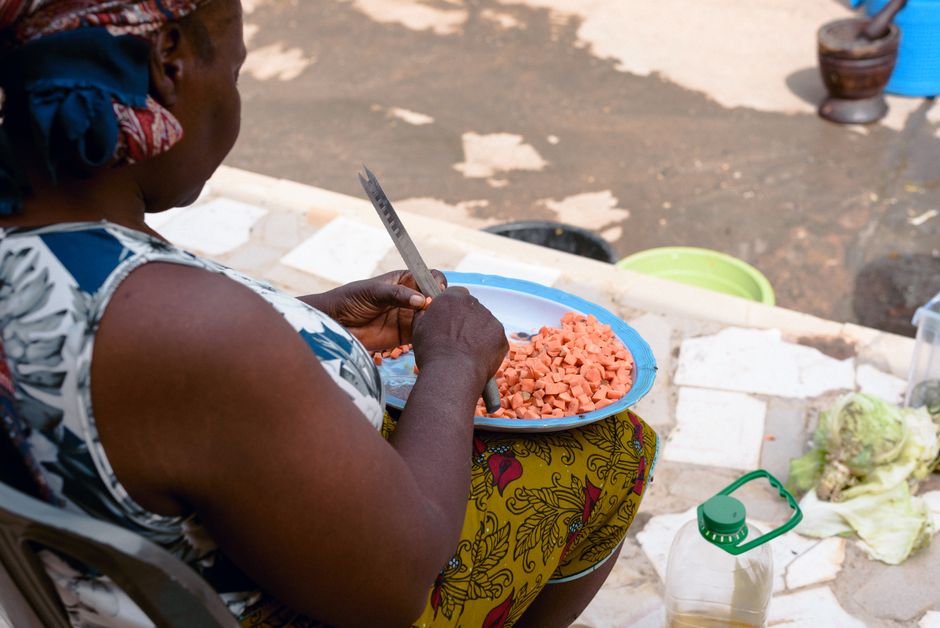
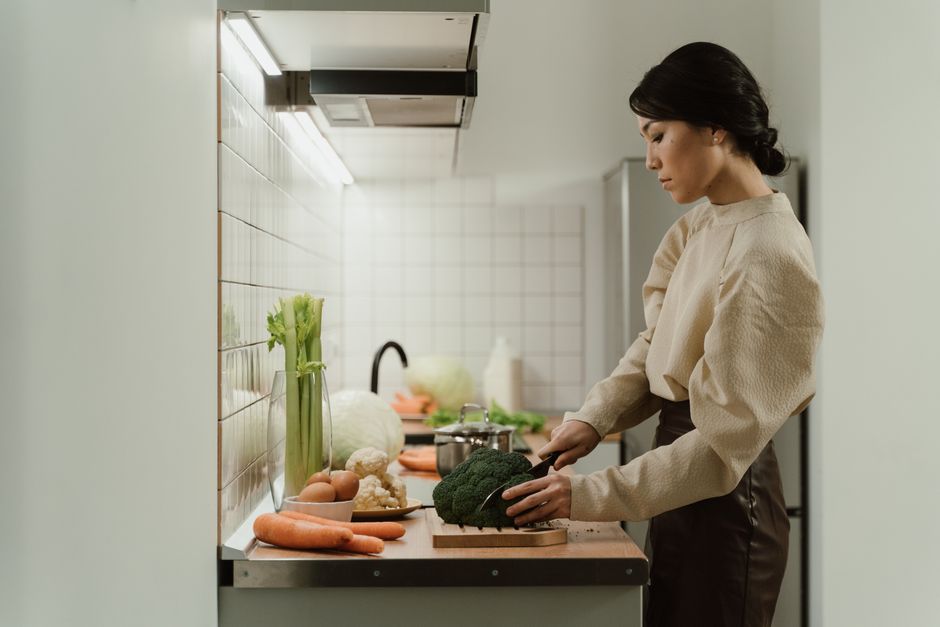
- Sharp Knives: Essential for chopping vegetables and meats efficiently.
Planning Your Meals
Selecting Your Recipes
When planning your meals, choose recipes that not only suit your palate but are also easy to store and reheat. Nigerian dishes like jollof rice, fried rice, and moi moi are excellent choices for meal prep.
Creating a Balanced Diet
Ensure your meals are balanced by incorporating a mix of proteins, carbohydrates, and vegetables. For instance, pair your rice dishes with grilled chicken and steamed vegetables.
Prepping and Storing Your Meals
Cooking in Batches
Cook large portions of your chosen dishes. For example, a pot of jollof rice and a batch of dodo can last you several meals in a week.
Proper Storage Techniques
- Label Your Containers: Use labels to note the date and contents.
- Freeze Appropriately: Some meals, like soups and stews, freeze well and can be stored for longer periods.
Maintaining Variety and Nutrition
Reinventing Leftovers
Transform leftovers by adding fresh ingredients. Leftover beans can be repurposed into akara or bean cakes for breakfast.
Incorporating Seasonal Produce
Utilize seasonal fruits and vegetables for added nutrition. This not only supports local farmers but also introduces fresh flavors to your meals.
Overcoming Common Meal Prep Challenges
Managing Time and Effort
Set aside a specific day for meal prep. Most Nigerians find Sundays ideal as it allows for a fresh start to the week.
Keeping Food Safe and Fresh
Ensure your meals are cooled properly before refrigerating to prevent bacterial growth. Consuming meals within 3-5 days is advisable for freshness.
Conclusion
Meal prepping isn't just a trend; it's a lifestyle that offers numerous benefits, especially for those with busy schedules. By incorporating these practical tips tailored to Nigerian cuisine, you can enjoy flavorful, nutritious meals throughout the week without the daily grind of cooking. Remember, the key to successful meal prep is planning, preparation, and a little creativity, ensuring that every meal is enjoyable and nourishing.