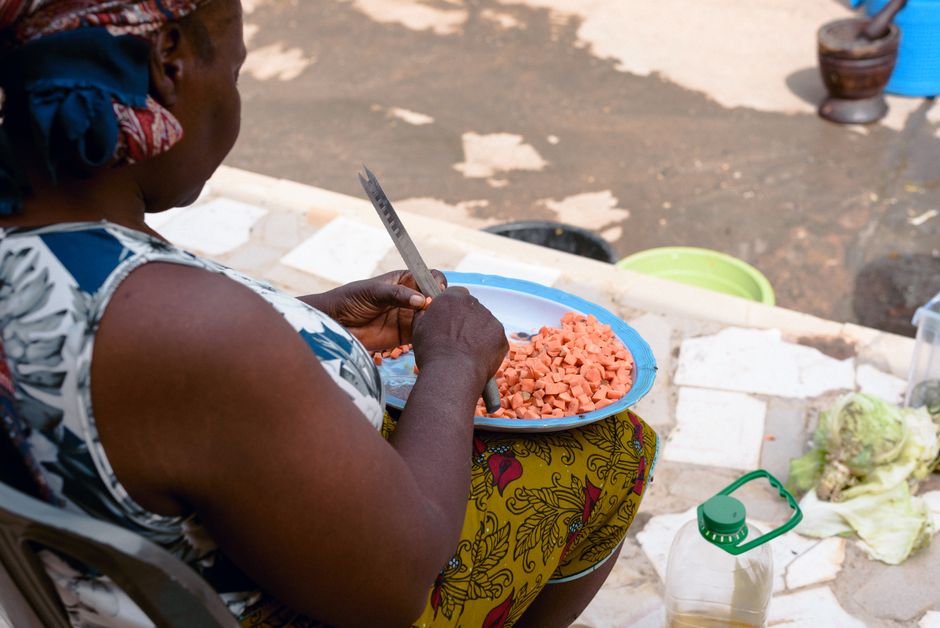
In a world filled with diverse diets and endless nutritional advice, the key to maintaining a healthy lifestyle often lies in embracing local dietary habits. For Nigerians, this means understanding the nutritional wealth embedded in traditional foods and how they can be leveraged for optimal health. Whether you're aiming to lose weight, gain muscle, or simply eat more healthily, understanding the nuances of the Nigerian diet can be your secret weapon.
The journey to healthier eating habits doesn't have to be complex or costly. By focusing on available resources, traditional recipes, and mindful consumption, you can pave the way toward a healthier, happier you. Let's dive into the heart of the Nigerian diet and explore practical strategies to eat healthily while savoring the rich flavors of our local cuisine.
Understanding the Basics of the Nigerian Diet
Staple Foods and Their Nutritional Benefits
The Nigerian diet is rich in staple foods like rice, beans, yam, cassava, and plantains. These staples are not only satisfying but also provide essential nutrients needed for a balanced diet.
- Rice: A versatile carbohydrate that provides energy.
- Beans: A fantastic source of protein and fiber, essential for muscle repair and digestion.
- Yam and Cassava: Both are high in carbohydrates and vitamin C, supporting energy levels and immune function.
Incorporating these staples wisely into meals can ensure you get a variety of nutrients needed for good health.
Traditional Dishes and Their Health Impacts
Nigerian cuisine is celebrated for its rich flavors and variety. Dishes like Jollof rice, Egusi soup, and akara are packed with nutrients, but how they are prepared can impact their health benefits.
"Opt for healthier cooking methods like steaming or grilling, and use natural spices to enhance flavor without excessive oil or salt."
Understanding the composition of these dishes and how to prepare them in healthier ways can make a significant difference in your diet.
Incorporating Local Vegetables and Fruits
Rich Nutrient Sources
Local vegetables like ugu, bitter leaf, and ewedu are not only affordable but are also rich in vitamins and minerals.
- Ugu: High in iron and vitamins A and C, supporting blood health and immune function.
- Bitter Leaf: Known for its detoxifying properties, it is great for digestion.
- Ewedu: Packed with antioxidants that help protect cells from damage.
Including a variety of these vegetables in your meals can significantly enhance the nutritional profile of your diet.
Fruits for Health and Vitality
Nigerian fruits like pawpaw, mango, and guava offer a sweet way to obtain necessary nutrients and promote overall health.
"Eating a variety of local fruits ensures you get a good mix of vitamins and minerals, boosting your immunity and energy levels."
Making fruits a regular part of your diet can help keep you refreshed and energized throughout the day.
Healthy Eating Habits and Meal Planning
Portion Control and Balance
One of the cornerstones of healthy eating is portion control. This involves understanding the right amounts to consume for each food group.
- Use smaller plates to control portions.
- Fill half your plate with vegetables and fruits, a quarter with protein, and a quarter with carbohydrates.
Ensuring balance in your meals can aid in weight management and prevent overeating.
Meal Prep for Success
Preparing meals in advance can save time and help you make healthier food choices.
"Spend one day a week planning and preparing meals. This can prevent last-minute unhealthy choices and ensure you stay on track with your diet."
Consistency in meal prep can lead to long-term success in maintaining a healthy diet.
Overcoming Common Challenges
Addressing Dietary Myths
There's a lot of misinformation when it comes to what constitutes a healthy diet. Common myths include the need to eliminate carbohydrates entirely or the belief that traditional foods are inherently unhealthy.
Educating yourself about nutrition can help you make informed choices. Remember, moderation is key!
Navigating Social and Cultural Influences
Family gatherings and social events often revolve around food, presenting challenges to those trying to eat healthily. However, making small changes, like choosing grilled options over fried, can make a difference.
"Encourage friends and family to embrace healthier options by introducing them to new recipes or alternatives."
Creating a supportive environment can make it easier to maintain healthy eating habits.
Conclusion
Mastering the Nigerian diet is not just about rigid rules or denying yourself the pleasure of food. It’s about making informed choices and embracing the rich culinary heritage Nigeria has to offer. By understanding the nutritional value of local foods and incorporating them into your diet thoughtfully, you can enjoy a vibrant and healthy life.
Remember, the journey to better health is a marathon, not a sprint. Start with small changes and gradually build healthier habits. Your body will thank you!