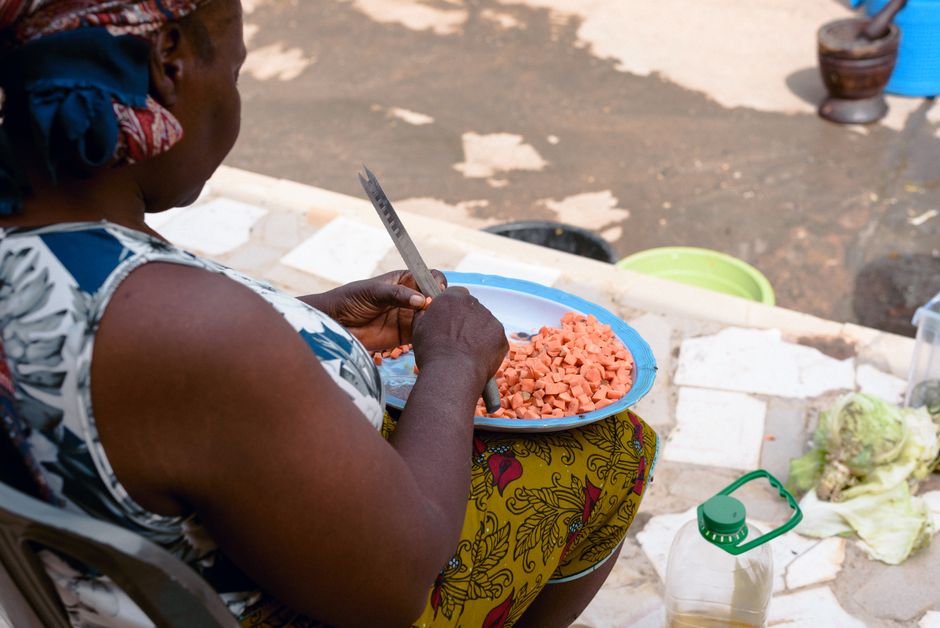
Navigating the world of nutrition can sometimes feel like trekking through a dense forest — overwhelming and complex. But fear not! When it comes to achieving optimal health through diet, the journey is simpler than it seems, especially when you have the right guide. In a country as diverse as Nigeria, where cultural richness is reflected in our cuisine, understanding how to make nutritious choices can significantly enhance your well-being. With a plethora of local foods, from jollof rice to efo riro, the Nigerian diet is as flavorful as it is varied. The key is learning how to balance these traditional favorites with healthy eating habits. Let’s dive into practical Nigerian diet tips that will empower you to maintain a balanced lifestyle without sacrificing taste.
Understanding Nigerian Cuisine
Before we delve into dietary tips, it's essential to understand the core elements of Nigerian cuisine. This not only helps in appreciating its diversity but also in making informed nutritional choices.
Staple Foods
The Nigerian diet is predominantly based on staple foods such as rice, yam, and cassava. These provide a significant portion of daily calorie intake.
Rice is a versatile staple, forming the base of popular dishes like jollof rice and fried rice. It's a good source of carbohydrates but can be high in calories if not portioned correctly.
Yam and cassava are tubers that are rich in carbohydrates, often enjoyed as pounded yam or gari respectively.
Protein Sources
Nigerian dishes often incorporate a variety of protein sources including beans, fish, and meat. Each of these plays a crucial role in a balanced diet.
Beans are packed with protein and fiber, making them an excellent meat substitute.
Fish, especially in coastal areas, is a significant protein source and is often grilled or fried to add flavor.
Balancing Nutrition with Local Foods
Creating a balanced diet does not mean giving up on traditional dishes. Instead, it involves making subtle adjustments to enhance nutritional value.
Portion Control
One effective way to maintain a balanced diet is by regulating portion sizes. Eating in moderation allows you to enjoy all food groups while managing calorie intake.
- Use smaller plates to control portions visually and avoid overeating.
- Divide your plate into sections: half with vegetables, a quarter with protein, and the other quarter with carbohydrates.
Incorporating Vegetables
Vegetables are crucial for providing essential vitamins and minerals. Aim to include a variety of colorful vegetables in your meals.
- Add vegetables like spinach (efo) and okra to soups and stews.
- Make salads a regular part of your meals, using local greens and fresh veggies.
Traditional Dishes with a Healthy Twist
Many traditional Nigerian dishes can be modified to make them healthier without losing their authentic taste.
Reducing Oil and Salt
Reducing the amount of oil and salt used in cooking can significantly cut down on unhealthy fats and sodium.
"Try using healthier oils like olive oil or reducing the amount altogether by opting for grilling or steaming instead of frying."
Substituting Ingredients
Simple substitutions in recipes can increase nutritional value.
- Replace white rice with brown rice or quinoa to boost fiber content.
- Use lean cuts of meat or more fish in place of fatty meats.
Supplements as a Dietary Addition
Sometimes, even with a balanced diet, you may not get all the necessary nutrients. This is where supplements can play a role.
Common Supplements
Consider supplements like multivitamins or Omega-3 fatty acids, especially if dietary sources are lacking.
However, it's essential to consult with a healthcare provider before introducing any new supplements to ensure they're necessary and safe for you.
Choosing the Right Supplements
When selecting supplements, focus on those that address specific dietary deficiencies or health goals.
- Vitamin D is crucial, particularly if sun exposure is limited.
- Calcium supplements can be beneficial, especially for individuals with limited dairy intake.
Conclusion
Embracing a balanced Nigerian diet is less about restriction and more about making informed, healthier choices. By understanding the nutritional components of traditional foods and making slight adjustments, such as controlling portions and incorporating more vegetables, you can significantly enhance your diet and overall health. Remember, nutrition is a journey, not a destination. Small, consistent changes can lead to significant improvements over time. So go ahead, enjoy your favorite Nigerian dishes and make the most of your culinary heritage while keeping health at the forefront!