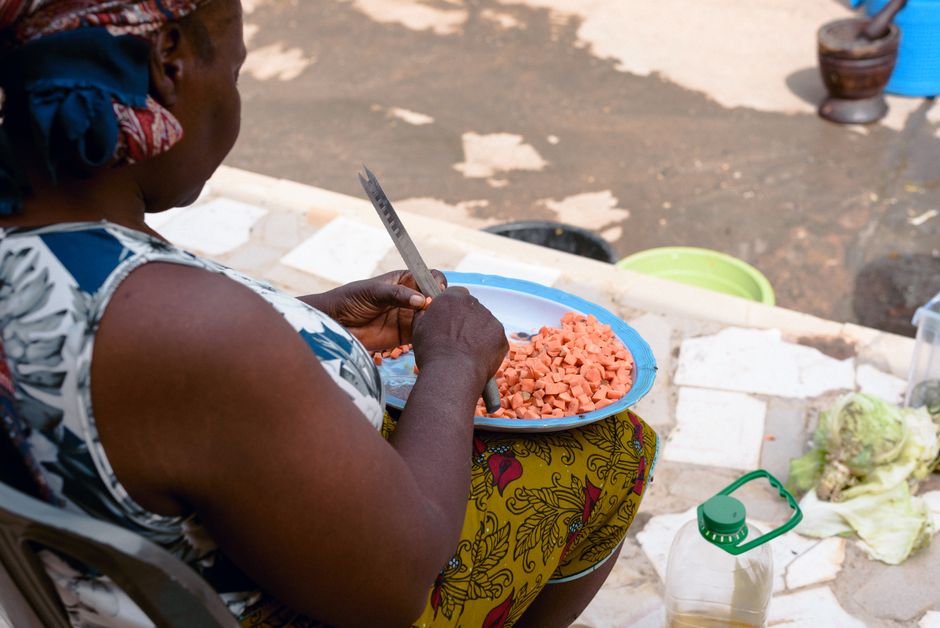
When it comes to healthy eating, the richness and diversity of Nigerian cuisine can be both a blessing and a challenge. While traditional Nigerian foods are flavorful and steeped in culture, integrating them into a modern, health-conscious diet requires some thoughtful choices. Whether you're looking to maintain your weight, boost your energy levels, or simply enjoy your meals without guilt, this guide is here to help you navigate the delicious world of Nigerian cuisine with a healthier twist.
In this article, we'll explore practical Nigerian diet tips for healthier eating habits. We'll delve into how you can enjoy your favorite dishes in a balanced way, the best traditional foods to include in your diet, and smart meal prep strategies. By the end of this read, you'll have a roadmap for eating well without sacrificing the flavors you love.
The Basics of a Healthy Nigerian Diet
Understanding the foundation of a healthy diet is crucial. A balanced diet involves a mix of carbohydrates, proteins, and fats, enriched with vitamins and minerals. In Nigeria, our meals often feature a combination of these nutrients, but it's essential to adjust portions and preparation methods to enhance health benefits.
Understanding Macronutrients
Nigerian meals typically consist of carbohydrates like rice, yam, or cassava, proteins such as beans and meat, and a variety of vegetables. Ensuring a balanced plate is key to meeting nutritional needs.
- Carbohydrates: Opt for whole grains and high-fiber options where possible. Swap white rice for brown rice or incorporate more millet and sorghum.
- Proteins: Include plant-based proteins like beans and legumes, supplementing with lean meats like chicken or fish.
- Fats: Use healthy fats such as palm oil in moderation and incorporate sources of omega-3, like fish oil.
Portion Control
While our traditional meals are hearty, controlling portion sizes helps prevent overeating. Use a smaller plate to naturally limit portions and focus on filling at least half your plate with vegetables.
Choosing the Right Nigerian Foods
Not all Nigerian foods are created equal when it comes to nutrition. Making informed choices about which foods to enjoy regularly and which to consume in moderation can significantly impact your health.
Embrace Vegetables
Vegetables are a staple in Nigerian cuisine, often used in soups and stews. Leafy greens like ugu, ewedu, and bitter leaf are packed with nutrients and should be included generously in meals.
"Adding more vegetables to your diet is one of the simplest ways to boost your overall health. They're low in calories but rich in vitamins and minerals."
Smart Substitutions
Making small changes can lead to big health benefits. For example, prepare moi moi using less oil, or bake instead of frying dishes like akara. Consider swapping unhealthy snacks for healthier options like roasted nuts or fruits.
Meal Prep Strategies for Nigerian Foods
Meal prepping can make a healthy diet more manageable, saving you time and ensuring you have nutritious meals ready to go. Here’s how you can incorporate meal prep into your Nigerian food routine.
Planning Meals
Start by planning your meals for the week. Select a mix of proteins, carbs, and vegetables, and organize a few go-to recipes like jollof rice with grilled chicken or beans with plantains.
- Batch cook staples like rice, beans, and soups, storing them in portions for easy access.
- Prepare ingredients ahead, such as chopping vegetables or marinating meats, to save time during busy weekdays.
Storage Tips
Proper storage is key to maintaining the freshness of prepped meals. Use airtight containers and clearly label them with dates to avoid spoilage.
Incorporating Supplements Wisely
While a balanced diet should provide most of your nutrients, sometimes supplements can help fill gaps, especially in diets limited by food availability or allergies.
Common Nutrient Deficiencies
In Nigeria, common deficiencies include iron, vitamin D, and calcium. Consider supplements if your diet lacks these nutrients, but always consult with a healthcare professional first.
"Supplements should complement a healthy diet, not replace it. They can be beneficial when used wisely and under guidance."
Conclusion
Adopting healthier eating habits doesn't mean giving up the foods you love. With thoughtful planning and a few smart choices, you can enjoy a balanced diet that respects your cultural heritage and supports your health. Whether you're making simple swaps, embracing meal prep, or considering supplements, every step you take towards a healthier lifestyle is a step in the right direction. Here's to nourishing your body with the delicious, vibrant flavors of Nigerian cuisine!