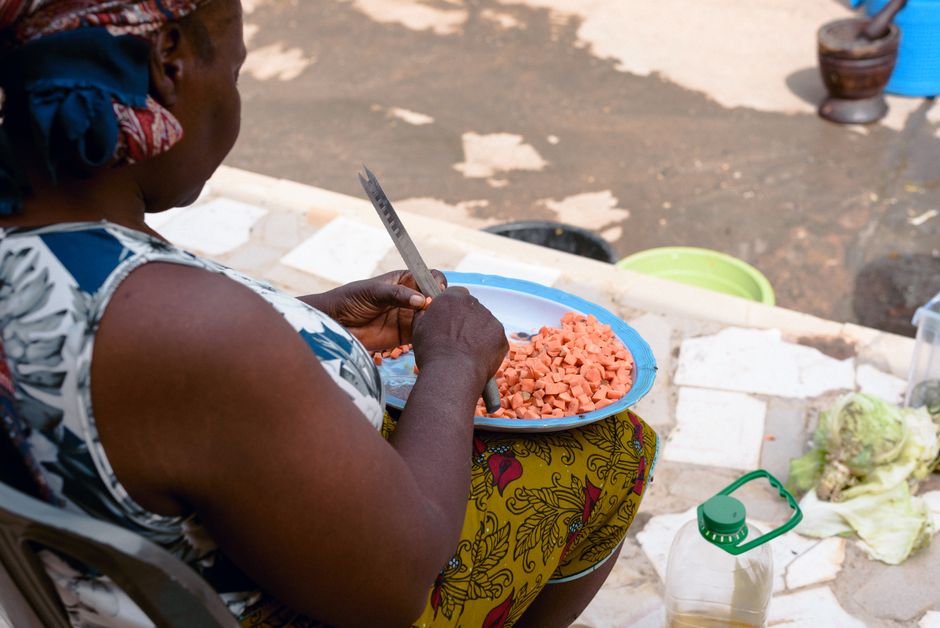
Healthy eating is a universal goal, yet the journey towards achieving it is often unique to each culture. For Nigerians, the rich tapestry of flavors offers both an opportunity and a challenge. How can one enjoy the vibrant cuisine while ensuring a balanced diet? The secret lies in understanding the nutrition hidden within our beloved dishes and making informed choices.
In a country where food is a significant part of our identity, transitioning to healthier eating might seem daunting. However, with the right approach and a touch of creativity, it’s entirely possible to enjoy our traditional meals in a nutritious way. The key is to focus on portion control, ingredient selection, and cooking methods. Let’s delve into the vibrant world of Nigerian cuisine and explore how we can make healthier choices without compromising on taste.
Whether you're a busy professional, a parent juggling multiple roles, or simply someone who loves good food, these practical tips will help you integrate healthy eating habits into your daily life. Are you ready to embark on this flavorful journey? Let’s get started.
Understanding Traditional Nigerian Meals
Nigerian meals are known for their rich flavors, diverse ingredients, and hearty portions. Understanding the nutritional elements of these dishes is crucial for making healthier choices.
Staple Foods and Their Nutritional Value
The Nigerian diet predominantly features staple foods such as rice, yams, plantains, and cassava. Each has its own nutritional profile that can be optimized for a balanced diet.
- Rice: Opt for brown rice over white rice to increase fiber intake.
- Yams: Rich in carbohydrates, but also provide vitamin C and dietary fiber.
- Plantains: A good source of potassium and fiber when consumed green or half-ripe.
- Cassava: Offers essential nutrients but should be consumed in moderation due to its high calorie content.
Incorporating Vegetables and Legumes
Vegetables and legumes are often sidelined in traditional meals. However, they are crucial for a balanced diet and provide essential vitamins and minerals.
- Include more leafy greens like spinach and ugu (fluted pumpkin leaves) in soups and stews.
- Use beans and lentils as a protein source in place of or alongside meat.
Portion Control: Eating in Moderation
One of the simplest yet most effective strategies for healthy eating is portion control. Understanding the right portion sizes can help manage calorie intake without feeling deprived.
Understanding Serving Sizes
Rather than eliminating favorite foods, focus on enjoying them in reasonable quantities. Here are some tips to keep portions in check:
- Use smaller plates to help control portion sizes visually.
- Start your meal with a salad or soup to curb hunger.
- Divide your plate into sections to ensure a balance of protein, carbohydrates, and vegetables.
"Portion control means enjoying what you love but in the right quantities. It's about balance, not deprivation."
Mindful Eating Practices
Mindful eating involves paying attention to the flavor and texture of food, which can help you recognize fullness cues and prevent overeating.
- Chew your food slowly and savor each bite.
- Minimize distractions like TV or smartphones during meals.
- Practice gratitude for your food to enhance the eating experience.
Healthy Cooking Methods
The method of preparing food can significantly impact its nutritional value. By adopting healthier cooking methods, you can enjoy delicious meals without unnecessary fats or calories.
Reducing Oil and Fat Use
Frying is a common cooking method but often adds unhealthy fats to dishes. Here are some alternatives:
- Grill or bake instead of frying to reduce oil usage.
- Use non-stick pans to minimize the need for oil.
- Explore steaming or boiling as cooking methods for vegetables and proteins.
Enhancing Flavor Naturally
Instead of relying on salt and seasoning cubes, explore natural spices and herbs that not only add flavor but also provide health benefits.
- Use ginger, garlic, and onions generously for flavor and health benefits.
- Incorporate local spices like uziza and dawa dawa for both taste and nutrition.
Meal Planning and Preparation
Meal planning is a powerful tool for maintaining a healthy diet. It helps you make intentional choices about what to eat and ensures you have nutritious options readily available.
Creating a Weekly Meal Plan
Start by planning your meals for the week, considering nutritional balance and variety.
- Include a mix of carbohydrates, proteins, and vegetables in each meal.
- Prepare a shopping list based on your meal plan to avoid impulse purchases.
Batch Cooking Techniques
Batch cooking allows you to prepare multiple meals in one go, saving time and ensuring you have healthy meals available throughout the week.
- Cook and freeze soups, stews, and grains in portions.
- Pre-wash and chop vegetables for easy access during busy days.
Conclusion
Adopting healthy eating habits doesn't mean sacrificing the flavors and traditions of Nigerian cuisine. By understanding the nutritional value of our traditional dishes, controlling portions, using healthier cooking methods, and planning meals ahead, we can enjoy a balanced diet that supports our health and well-being. Remember, the journey to healthier eating is a marathon, not a sprint. Take small steps, experiment with new habits, and most importantly, enjoy the process.