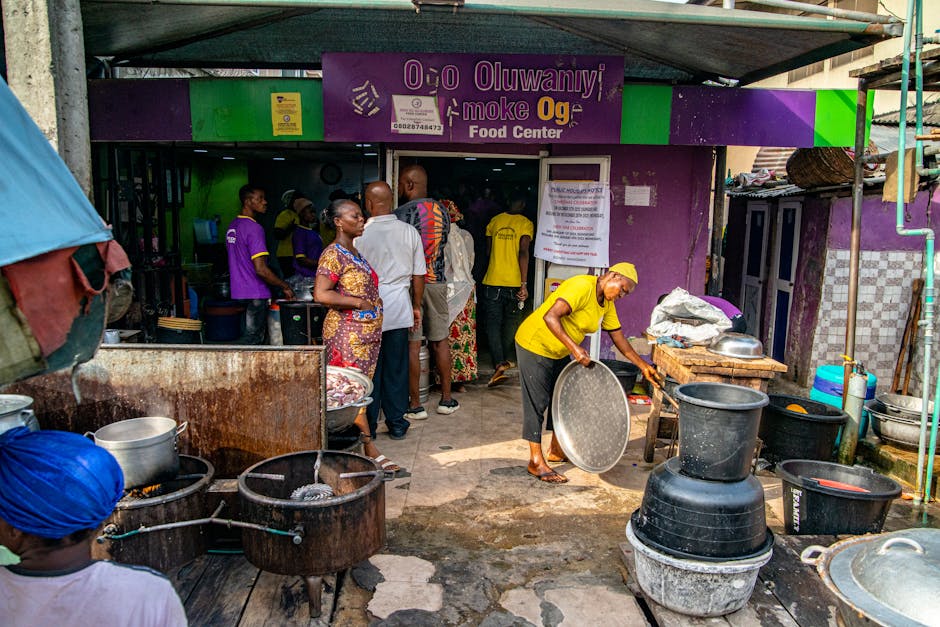
In the hustle and bustle of daily life, especially in Nigeria’s vibrant cities like Lagos or Abuja, finding the time to prepare nutritious meals can be challenging. Balancing work, family, and personal time leaves little room for elaborate cooking sessions. This is where meal prep becomes a life-saver. By spending a few hours prepping meals for the week, you can enjoy home-cooked meals every day without the stress of daily cooking.
With the rising awareness of healthy eating, many Nigerians are looking to incorporate more nutritious options into their diets without sacrificing convenience. Meal prep not only helps in saving time but also aids in maintaining a balanced diet, reducing food waste, and cutting down on the temptation of fast food. Let's dive into some effective meal prep tips that can transform your weekly routine and enhance your health.
Understanding Meal Prep
What is Meal Prep?
Meal prep involves preparing meals or meal components in advance, often for the upcoming week. This process includes cooking, portioning, and storing meals in a way that they are ready to be consumed without much additional effort.
It can range from full meals to prepared ingredients or snacks that can be quickly assembled. The flexibility in meal prep means you can tailor it to fit your dietary preferences and lifestyle.
Benefits of Meal Prep
- Time-Saving: By dedicating a few hours a week to meal prep, you save hours of cooking and cleaning daily.
- Cost-Effective: Buying ingredients in bulk and reducing food wastage can significantly cut down on grocery expenses.
- Healthier Eating: Home-prepared meals have controlled ingredients, ensuring healthier choices compared to store-bought or fast food options.
“Meal prep is not about preparing gourmet dishes; it's about making your life easier and healthier.”
Getting Started with Meal Prep
Plan Your Meals
The first step to successful meal prep is planning. Decide on the meals you want to eat throughout the week, taking into account your nutritional goals and dietary preferences.
Consider the Nigerian staples such as jollof rice, egusi soup, or yam porridge, and think about how you can prepare these ahead of time. Planning also helps in creating a comprehensive grocery list, ensuring you have all necessary ingredients without overspending.
Invest in Quality Containers
Investing in good quality, airtight containers is crucial. They help in preserving the freshness of your meals and prevent any cross-contamination of flavors.
- Choose containers that are microwave and dishwasher safe for convenience.
- Consider portion-sized containers to help with portion control and easy grab-and-go meals.
Meal Prep Techniques
Batch Cooking
Batch cooking involves cooking multiple servings of a single dish at once, which can then be portioned out and stored for future meals.
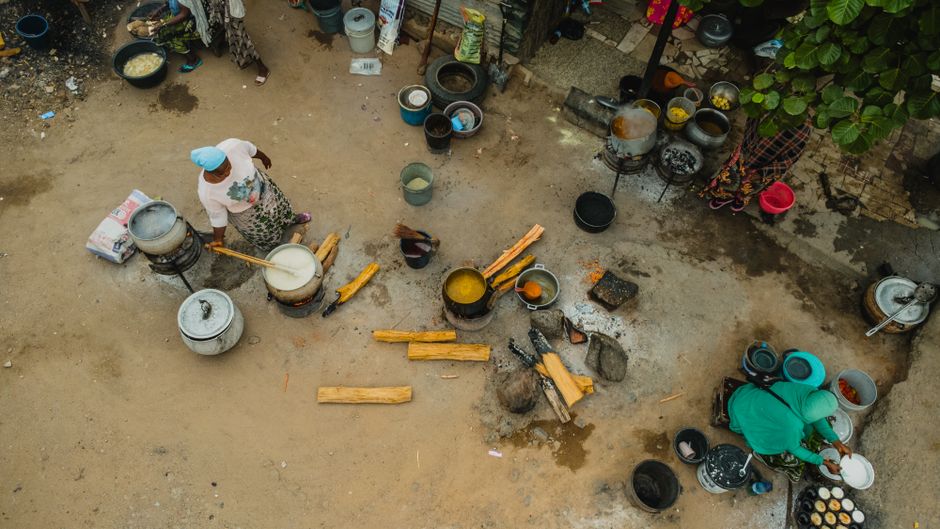
This technique works well for dishes like stews, soups, and grains which can be easily reheated. For instance, preparing a large pot of beans or stew can provide several meals throughout the week.
Pre-Cut Ingredients
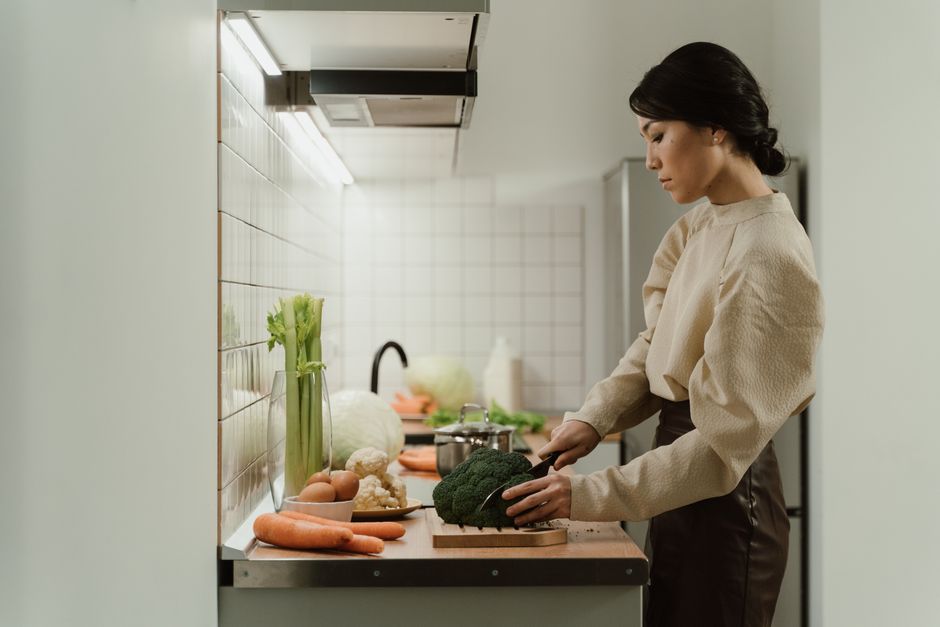
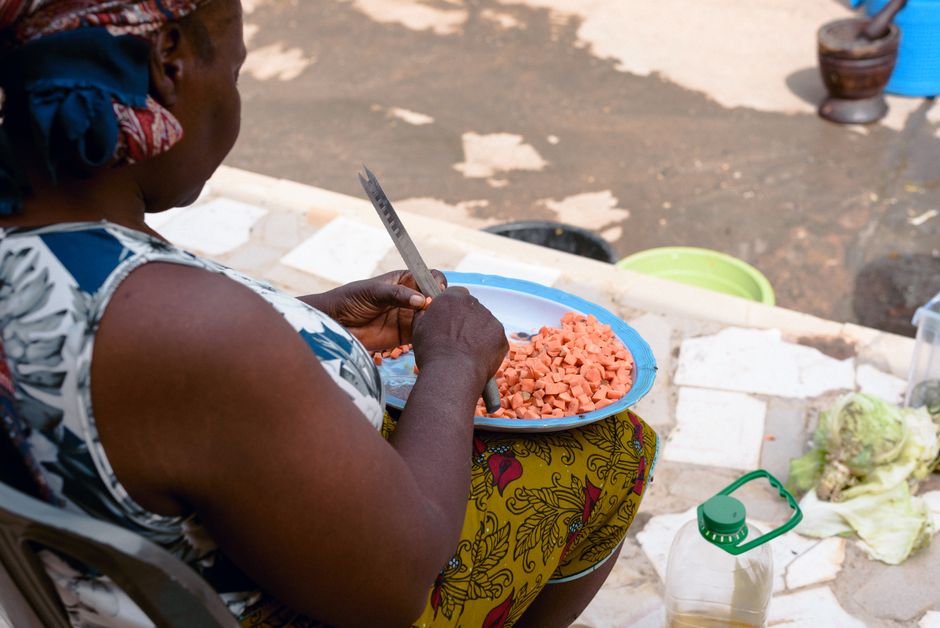
Chopping vegetables and pre-cooking proteins in advance can save a lot of time during the week. Store these prepped ingredients in separate containers so they are ready to use in different recipes.
Commonly used vegetables in the Nigerian diet such as onions, tomatoes, and peppers can be pre-cut and stored to save prep time.
Storing and Reheating
Proper Storage Techniques
Once you have your meals prepped, proper storage is key to maintaining their quality. Use airtight containers and store them in the refrigerator or freezer as needed.
Label containers with the date and contents to keep track of freshness and make meal selection easier during the week.
Reheating Tips
When reheating your prepped meals, ensure they are heated thoroughly to avoid any food safety issues.
For dishes like rice or pasta, adding a splash of water before reheating can prevent them from drying out.
Overcoming Common Challenges
Limited Time for Prep
If you find it hard to set aside a few hours for meal prep, break it into smaller chunks. You can prep ingredients one day and cook another day.
Utilize appliances like slow cookers or pressure cookers to speed up the cooking process.
Meal Variety
A common concern is ending up with repetitive meals. To tackle this, plan a variety of dishes using different spices, herbs, and cooking methods to keep your meals interesting.
Incorporating seasonal produce can also add variety and freshness to your meals.
Conclusion
Meal prep can be a game-changer in maintaining a balanced diet amidst a busy schedule. By incorporating these tips, you can streamline your meal planning process, enjoy healthier eating habits, and free up time for other important activities.
Remember, meal prep doesn't have to be complicated. Start small, find what works for you, and gradually build a system that fits your lifestyle. Whether it’s preparing a full meal or just having components ready to go, every little effort counts towards a healthier you.