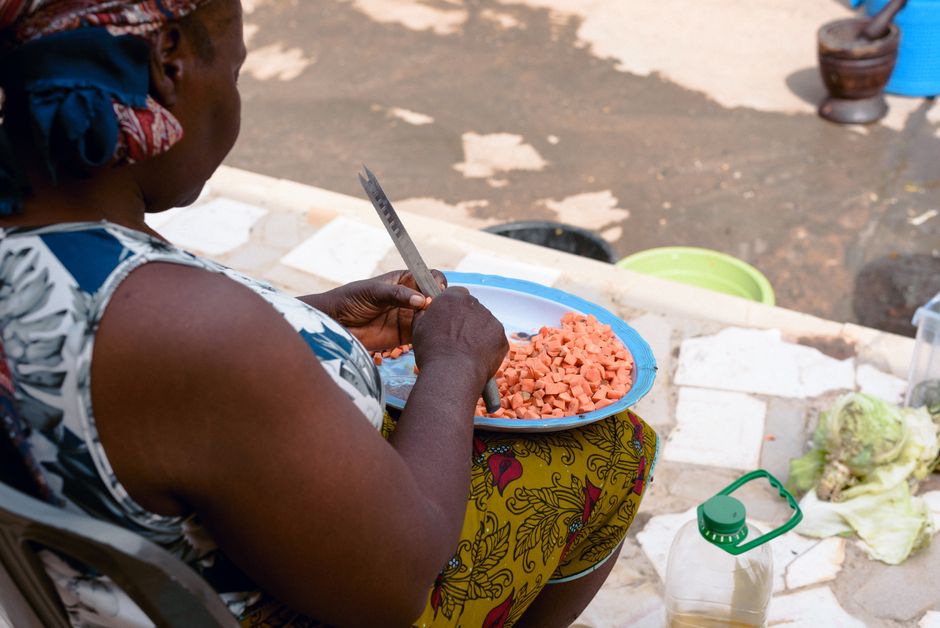
In Nigeria, every meal is a celebration of our vibrant culture, rich heritage, and diverse ecosystems. However, amidst this flavorful tapestry, ensuring balanced nutrition remains a challenge for many families. Whether you're navigating bustling Lagos streets or enjoying the serene views of Calabar, understanding nutrition is key to a healthier, happier life.
Nutrition isn't just about eating enough; it's about eating right. With busy schedules and varying access to resources, Nigerian families need practical, sustainable advice to maintain a nourishing diet. Let's explore some actionable steps you can take today to enhance your family's nutrition without losing the essence of our beloved cuisine.
Understanding Nutritional Basics
Essential Nutrients for a Balanced Diet
Nutrients are the building blocks of life, each serving a unique purpose. For Nigerian diets, focusing on these can make a significant difference:
- Carbohydrates: The primary energy source. Found in yams, rice, and cassava.
- Proteins: Essential for growth and repair. Enjoy them in beans, fish, and lean meats.
- Fats: Necessary for energy and cell function. Healthy sources include palm oil and avocados.
- Vitamins and Minerals: Vital for immunity and overall health. Fruits like mangoes and leafy greens like ugu are excellent choices.
The Role of Hydration
Water is often overlooked but is crucial for digestion and overall health. Aim for at least 8 glasses a day, and consider fresh coconut water as a natural, hydrating option.
Embracing Local Flavors
Incorporating Traditional Foods
Traditional Nigerian foods are not only delicious but also packed with nutrients. Embrace these staples for a balanced diet while preserving cultural ties.
- Jollof Rice: A beloved dish providing energy and essential nutrients.
- Egusi Soup: Rich in protein and vitamins, especially when combined with vegetables.
- Pounded Yam and Egusi: Combining carbohydrates and proteins for a balanced meal.
Shopping Smart at Local Markets
Nigerian markets are teeming with fresh produce. Here’s how to make the most of your visits:
- Seasonal Buying: Purchase fruits and vegetables in season for better prices and nutrition.
- Bulk Purchasing: Buy staples in bulk to save money and ensure a steady supply.
- Local Vendors: Support local farmers by buying directly, ensuring freshness and sustainability.
Overcoming Nutritional Challenges
Addressing Food Insecurity
Food insecurity is a reality for many Nigerian families. Here are some strategies to help mitigate this challenge:
- Community Gardens: Start or participate in community gardens for fresh produce.
- Home Gardening: Grow vegetables like tomatoes and peppers at home to supplement your diet.
Budget-Friendly Nutrition Tips
Eating healthy doesn’t have to be expensive. Consider these budget-friendly tips:
- Meal Planning: Plan meals ahead to avoid impulsive buying and reduce waste.
- Simple Recipes: Use basic ingredients to create nutritious meals.
Family-Friendly Meal Ideas
Quick and Healthy Breakfasts
Start your day with energy-boosting breakfasts that require minimal prep:
- Ogi (Pap) with Akara: This traditional duo is not only quick but also nourishing.
- Fruits and Yogurt Parfait: Layer bananas, yoghurt, and nuts for a quick morning fix.
Nourishing Lunch and Dinner
Ensure your family's main meals are rich in nutrients and flavor:
- Yam Porridge: Cooked with vegetables and spices, it's a hearty, nutritious meal.
- Okra Soup and Fufu: High in fiber and protein, perfect for family dinners.
Final Thoughts
Improving your family's nutrition doesn't mean giving up the flavors and traditions you love. By making informed choices, prioritizing local, fresh ingredients, and remaining mindful of portion sizes, Nigerian families can enjoy the best of both worlds. Remember, the goal is not perfection but progress. Each small, nutritious choice leads to healthier lives and happier households.