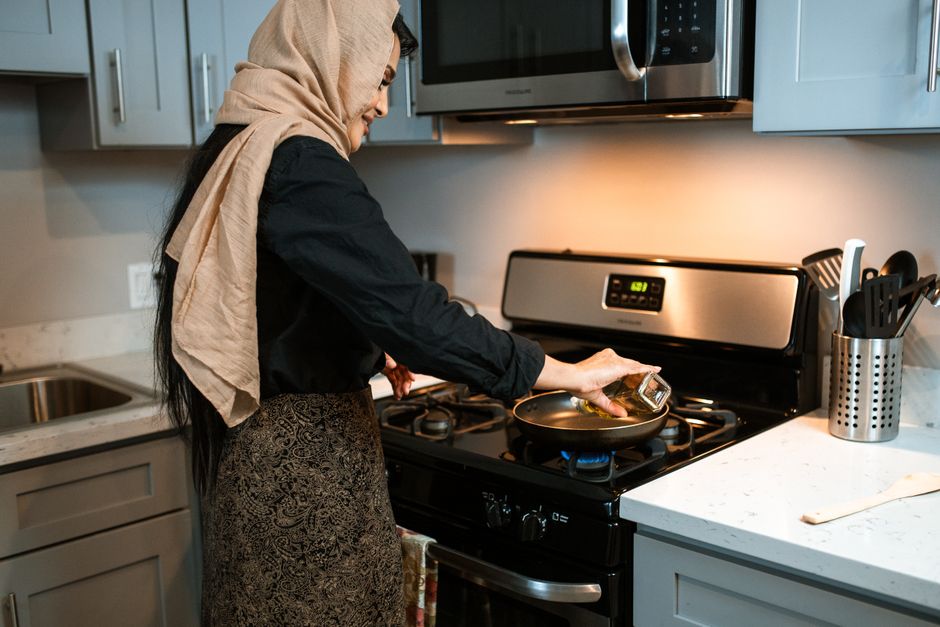
Fasting has long been intertwined with Nigerian culture, from religious observances to traditional health practices. However, the way a beginner approaches fasting should differ significantly from how a seasoned faster does. As we delve into this nuanced topic, we aim to provide tailored advice for both novices and experienced individuals, ensuring that everyone can fast safely and effectively.
Nigerian diets are rich and varied, and understanding how to incorporate fasting requires a cultural context. In Nigeria, fasting isn't just about abstaining from food; it's about maintaining a balance that respects cultural values and personal health goals.
Understanding Fasting for Beginners
For those new to fasting, the journey begins with understanding the basic principles. Fasting is not just about skipping meals; it's about timing, intention, and understanding your body.
Start with Intermittent Fasting
Intermittent fasting is a popular starting point. It typically involves fasting for 16 hours and eating during an 8-hour window, which fits well with busy Nigerian lifestyles. This method allows beginners to adjust their eating patterns gradually.
- Week 1: Begin with a 12-hour fast, which can include overnight sleep.
- Week 2: Extend your fasting period to 14 hours.
- Week 3: Aim for the full 16-hour fasting window.
This gradual approach helps ease the body into fasting without causing a shock to your system.
Listen to Your Body
As a beginner, it's crucial to pay attention to signals your body sends. Lightheadedness, fatigue, and irritability are signs you might need to adjust your fasting routine.
“Fasting is a tool, not a punishment. Listen to your body, and adjust as needed.”
Advanced Fasting Techniques for the Experienced
Once you've mastered the basics of intermittent fasting, you may wish to explore more advanced techniques such as extended fasting or incorporating fasting with specific diets.
The 5:2 Diet
This approach involves eating normally for five days and restricting calorie intake (around 500 calories) for two non-consecutive days. It provides flexibility and can be easily integrated into a typical Nigerian diet.
24-Hour Fast
More experienced fasters might consider fasting from dinner to dinner once a week. This method requires mental preparation and a strong understanding of your body's hunger cues.
“Advanced fasting is about mastery and understanding personal limits. It's not a competition.”
Health Considerations and Tips
Whether you're new to fasting or have been practicing for years, safety should always be a priority. Here are some health considerations:
Stay Hydrated
Regardless of your fasting stage, hydration is key. Drink plenty of water to aid digestion and prevent dehydration, especially in Nigeria's hot climate.
Consult a Healthcare Professional
Before starting any fasting regimen, it's wise to consult with a healthcare provider, particularly if you have underlying health conditions or are taking medication.
Navigating Fasting During Festive Seasons
Nigeria is a country rich in cultural festivals and religious occasions where fasting is common. Understanding how to fast during these times is crucial.
Ramadan for Muslims
During Ramadan, Muslims fast from dawn until sunset. Beginners might start by fasting only on weekends to adjust, while experienced individuals can maintain full-day fasts.
Lent for Christians
Christians observing Lent may fast on specific days or give up certain foods. Beginners might start with fish-only meals, while experienced fasters can restrict their intake further.
Conclusion
Fasting is a deeply personal journey that varies based on experience and individual health needs. Whether you're taking your first steps into fasting or you're a seasoned practitioner, it’s essential to tailor your approach to fit your lifestyle and listen to your body's cues. With the right preparation and understanding, fasting can be a rewarding and healthful practice that complements the vibrant Nigerian way of life.