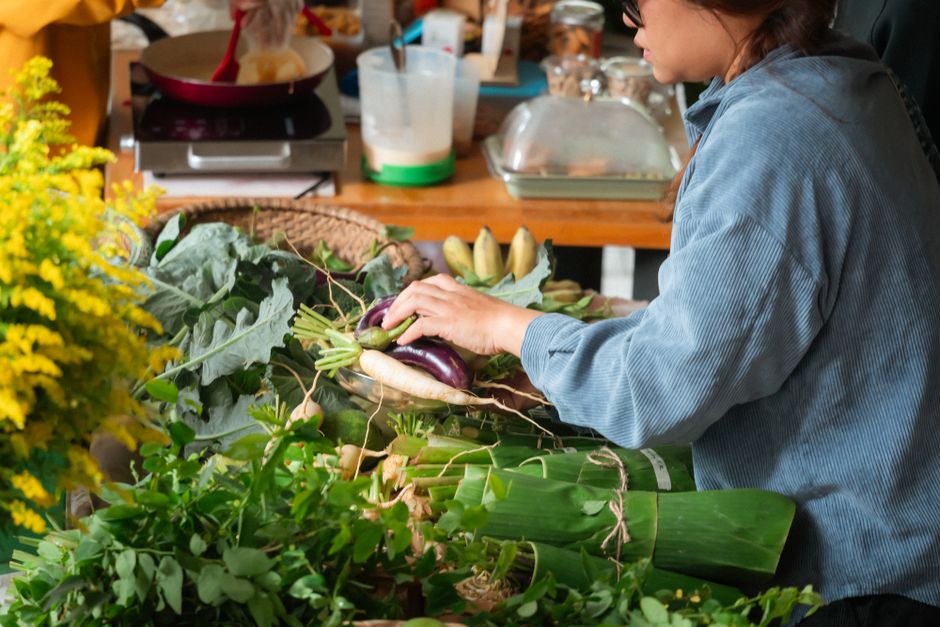
My journey with Nigerian superfoods began as a personal quest for energy and wellness. I was tired of feeling sluggish and wanted to embrace a holistic lifestyle rooted in my cultural heritage. It all started one evening at the bustling Mile 12 Market in Lagos, where I stumbled upon vibrant displays of local legumes and vegetables. Little did I know, this was the turning point towards a healthier, more energized version of myself.
As I delved deeper into understanding these foods, I realized their immense nutritional benefits. Nigerian superfoods are not just dietary staples; they are powerhouses of nutrients that have sustained generations. Incorporating them into my daily routine was key to revitalizing my health.
The Initial Struggles
Transitioning to a diet primarily focused on Nigerian superfoods wasn't without its challenges. Initially, I struggled with recipes and sourcing fresh ingredients. Many supermarkets in urban areas prioritize imported goods, overshadowing our indigenous produce. However, with determination and a bit of research, I discovered local farmers' markets that offered fresh alternatives.
Finding Reliable Sources
One of the first steps was to find reliable sources for quality ingredients. I began shopping at local markets like Balogun and Oyingbo, where growers bring fresh produce daily. This provided me an opportunity to connect with vendors and learn more about the nutritional profile of different foods.
Embracing Local Ingredients
Incorporating foods like bitter leaf, ugwu (fluted pumpkin leaves), and okra into my meals was crucial. These vegetables are high in vitamins and minerals, boosting overall health and immunity. Additionally, grains such as millet and sorghum became staples due to their high fiber content and versatility.
Crafting a New Meal Routine
With a reliable source of fresh ingredients secured, my next step was to create a meal routine that was easy to follow and satisfying. Meal prepping became a crucial part of this process, allowing me to make the most of my new diet without feeling overwhelmed.
Recipe Innovations
Incorporating superfoods into familiar dishes was a game changer. For breakfast, millet porridge with a dash of honey became a favorite. Lunchtime saw an upgrade with jollof rice cooked with moringa leaves, adding a nutritional punch.
Building a Balanced Diet
- Breakfast: Millet porridge with nuts and fruits
- Lunch: Moringa-infused Jollof rice with grilled fish
- Dinner: Vegetable soup with ugwu and amala
This routine not only satisfied my palate but also ensured I received a balanced intake of carbohydrates, proteins, and fats.
Notable Health Benefits
As days turned into weeks, the impact of these superfoods on my health was undeniable. I experienced increased energy levels, better digestion, and a noticeable glow in my skin. These changes were more than just physical; they were a boost to my mental well-being too.
Energy and Vitality
Before the switch, I often felt fatigued by midday. Now, my energy levels are steady throughout the day, thanks to the high nutrient density of Nigerian superfoods.
"Switching to Nigerian superfoods has revitalized my health and well-being, offering a sustainable way to nourish my body and mind."
Improved Digestive Health
The fiber-rich nature of grains like sorghum enhanced my digestion. Regular meals ensured a consistent metabolism, reducing bloating and discomfort.
Community and Cultural Connection
Beyond the health benefits, embracing Nigerian superfoods deeply connected me to my roots. I found joy in cooking and sharing meals with friends and family, thereby promoting a healthier lifestyle within my community.
Spreading Awareness
As my journey progressed, I began sharing these insights with my peers. Organizing small gatherings where we cooked and discussed the benefits of local foods became a way to educate and inspire others. It was fulfilling to see others embrace these changes and witness their transformation.
Final Thoughts
My journey with Nigerian superfoods has been transformative. It taught me the value of local ingredients and how they can be the cornerstone of a healthy diet. By choosing foods that are not only nutritious but also culturally significant, I've found a sustainable path to wellness. I hope my story inspires others to explore the rich nutritional landscape of Nigerian superfoods, embracing both health and heritage in their daily lives.