When it comes to maintaining a healthy diet, many people focus solely on what they eat, often overlooking how much they eat. Ignoring portion sizes can subtly sabotage even the most well-intentioned diet. This mistake is particularly common in Nigeria, where delicious rich dishes like Jollof rice and Egusi soup can be overly tempting. Portion control is not about deprivation but about balance. Understanding and managing portion sizes can significantly impact your health and weight management. In this article, we will delve into why portion sizes matter, common pitfalls, and practical ways to fix them.
Why Portion Sizes Matter
The importance of portion sizes cannot be overstated. Consuming larger portions than necessary can lead to excessive calorie intake, which often results in weight gain over time. It’s easy to underestimate the calorie content in seemingly healthy foods when portions are too large.
The Calorie Connection
Calories are the energy we get from food, and every body requires a different amount. However, a common mistake is neglecting the calorie content of large portions. For instance, a typical serving of fried plantains can contain more calories than expected if portion sizes are not controlled.
Impact on Digestion
Besides calories, consuming large portions can overburden your digestive system, leading to discomfort and sluggishness. Eating until you're overly full can also disrupt your body's hunger signals, making it difficult to recognize when you're genuinely hungry or full.
Common Portion Control Mistakes
Recognizing common portion control mistakes is the first step to correcting them. Many people make these errors without even realizing it.
Using Large Plates
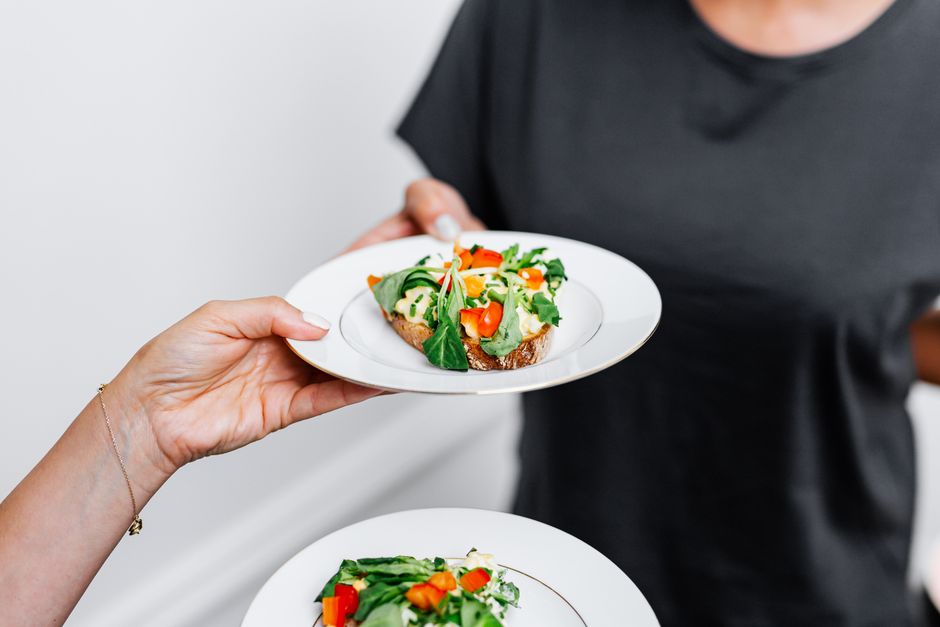
One simple but impactful mistake is using oversized plates. Large plates can make portions look smaller than they are, leading you to serve and consume more food.
Mindless Eating
Eating while distracted, such as when watching TV or scrolling through your phone, can lead to overeating. This is because you're not paying attention to how much you're eating.
Practical Tips for Managing Portion Sizes
Fortunately, managing portion sizes is not as complicated as it may seem. Here are some practical tips to get started.
Use Smaller Plates and Bowls
- Opt for smaller plates and bowls to help control portion sizes visually.
- Serve meals in the kitchen rather than family-style to reduce the temptation to go for seconds.
Learn to Read Food Labels
Understanding food labels is crucial. Pay attention to the serving size listed on nutritional labels to better estimate portions.
Practice Mindful Eating
- Focus on your meal, and try to eat without distractions.
- Chew slowly and savor each bite to give your brain time to register fullness.
Making Portion Control Part of Your Lifestyle
Integrating portion control into your routine requires a bit of practice and patience. Here’s how you can make it a lasting habit.
Plan Your Meals
Planning your meals in advance can help you avoid impulse eating and control portion sizes. Use measuring cups or a food scale to ensure accuracy.
Include More Vegetables
Fill half your plate with vegetables, which are low in calories but high in fiber, helping you feel full without overeating.
Stay Hydrated
Sometimes dehydration is mistaken for hunger. Drink a glass of water before meals to help control appetite.
Conclusion
Ignoring portion sizes is a common diet mistake that can easily derail your health goals. By understanding why portion control matters and implementing simple strategies, you can enjoy your favorite Nigerian dishes without compromising on health. Remember, it's not about restricting yourself but finding a balance that works for you. Start making these small, impactful changes today and watch as you transform your eating habits for the better.