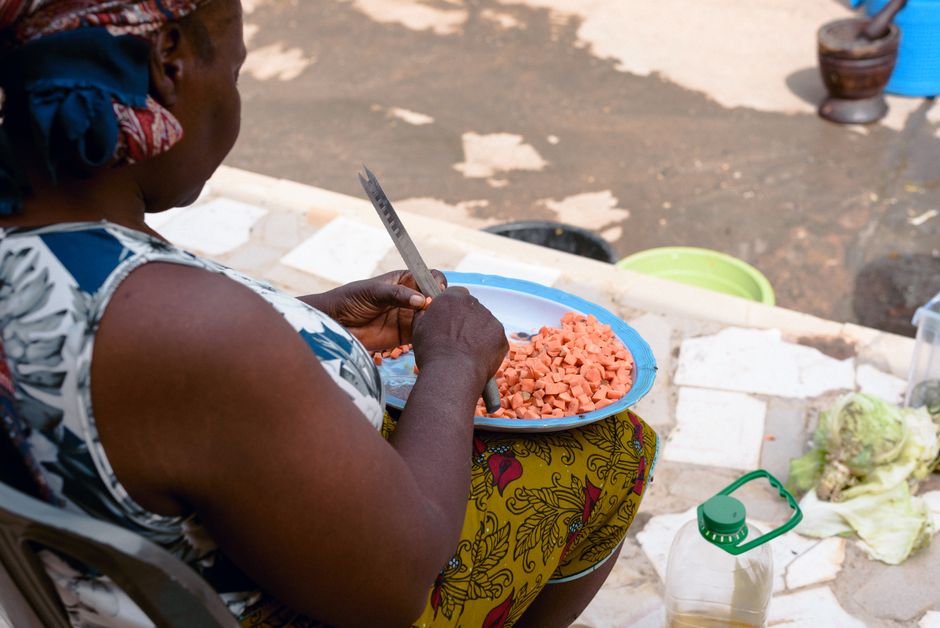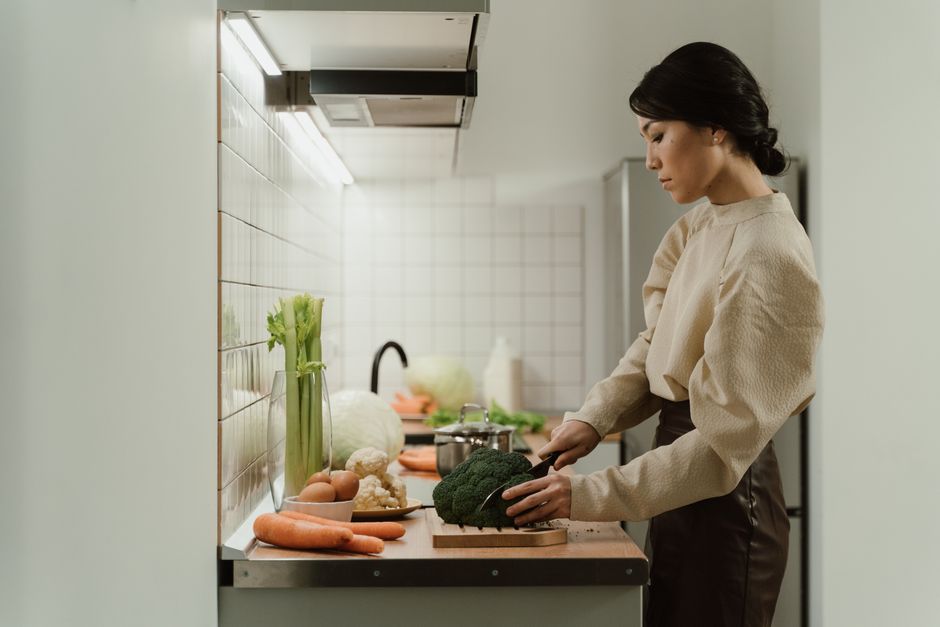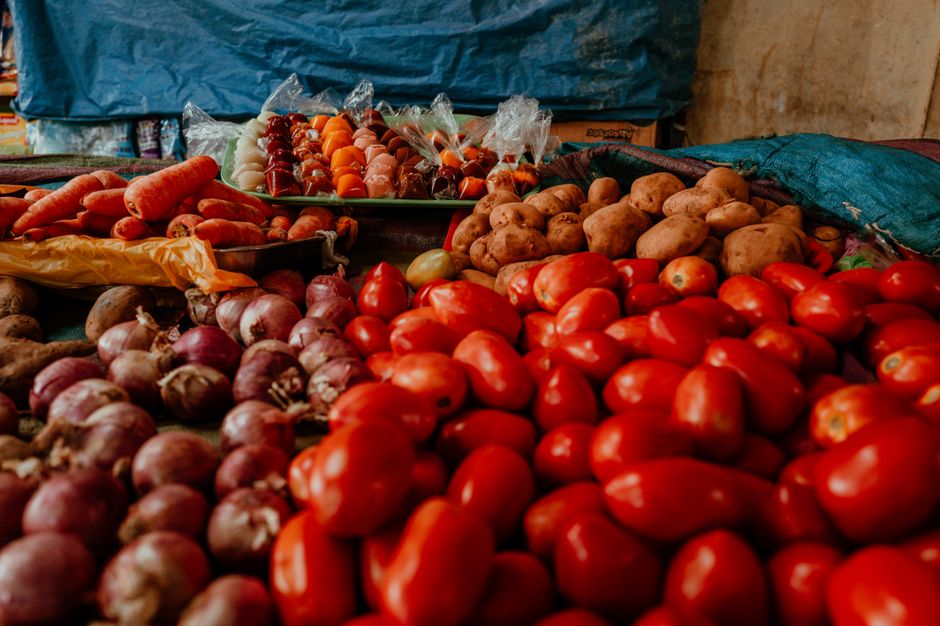
In today's fast-paced world, finding time to prepare healthy and delicious meals can be challenging, especially in bustling cities like Lagos or Abuja. Whether you're a busy professional, a student, or a parent juggling multiple responsibilities, meal prep can be your secret weapon to maintaining a nutritious diet without the stress of daily cooking. Imagine coming home after a long day to find a well-cooked meal waiting for you, thanks to a few hours spent over the weekend preparing your weekly meals. Let's dive into some practical and culturally relevant tips to help you master the art of meal prepping, Nigerian style.
Understanding the Basics of Meal Prep
Meal prep involves planning and preparing your meals in advance, often for the entire week. It's about cooking smart, not hard, and ensuring you have healthy options readily available to avoid the temptation of fast food.
Why Meal Prep?
Meal prepping saves time, reduces food waste, and helps you stick to your dietary goals. It's an excellent way to incorporate balance into your diet by consciously planning meals that include all food groups.
"Prepping your meals ensures you have control over what you eat, making healthy choices convenient and accessible," says Adeola, a nutritionist based in Lagos.
Getting Started with Meal Prep
Start small. Begin by prepping just a few meals for the week, such as lunch or dinner, and gradually increase as you get more comfortable. Focus on meals you enjoy and can easily replicate.
- Plan your menu: Take into account your schedule and dietary preferences.
- Create a shopping list: Stick to your list to avoid unnecessary purchases.
- Invest in quality storage containers: Airtight containers keep your meals fresh and help organize your fridge.
Choosing Culturally Relevant Ingredients
Nigerian cuisine is rich in diversity, flavors, and nutrients. Integrating local ingredients into your meal prep can make healthy eating more enjoyable and sustainable.
Staple Nigerian Ingredients
Consider incorporating these staples into your weekly meal prep:
- Yam and Plantain: These are versatile and can be prepared in various ways, from boiling to frying.
- Beans: A great source of protein, especially for vegetarians. They can be cooked with spices for a rich, savory dish.
- Okra and Ewedu: These vegetables are not only nutritious but also add a traditional touch to your meals.
Experimenting with Spices
Spices are the heart of Nigerian cooking. Experiment with combinations of ginger, garlic, pepper, and local spices to enhance the flavor of your dishes without adding extra calories.
Time-Saving Strategies
The key to successful meal prep is efficiency. Here are some time-saving tips:
Batch Cooking
Cook large quantities of staple foods like rice, pasta, or stews that can be mixed and matched throughout the week. This reduces daily cooking time and ensures you always have something tasty on hand.
Multi-tasking in the Kitchen
While one dish is simmering, use the time to chop vegetables or prepare your protein. This keeps the kitchen workflow smooth and productive.
Maintaining Variety and Interest
Eating the same meals every day can become monotonous. Here's how to keep things exciting:
Rotation of Recipes
Have a rotation of at least five different recipes to ensure variety. This prevents boredom and encourages a wider range of nutrients.
- Create theme days: For example, 'Meatless Monday' or 'Soup Saturday.'
- Mix and match ingredients: Use different proteins or vegetables with the same base to create new meals.
Incorporating International Cuisines
Blend Nigerian flavors with elements from other cuisines to keep your meals exciting. For instance, try a jollof rice-inspired paella.
Conclusion
Meal prepping can transform your approach to healthy eating, saving you time and reducing stress. By incorporating local ingredients and flavors, you can enjoy a diet that's both nutritious and satisfying. Start small, be consistent, and adapt these strategies to fit your lifestyle. Remember, the goal is to make healthy eating easy and enjoyable, without compromising on the taste and richness of Nigerian cuisine.