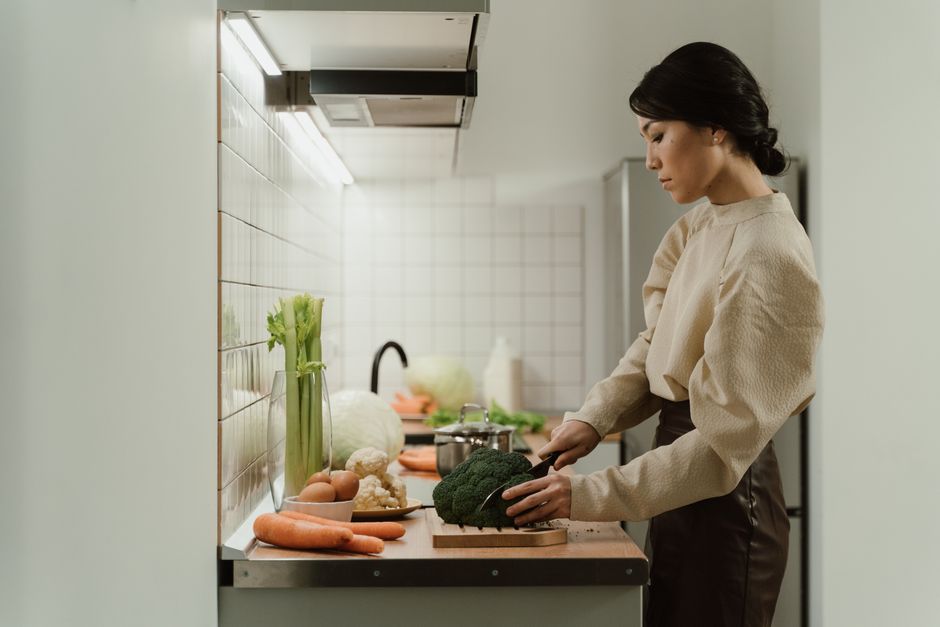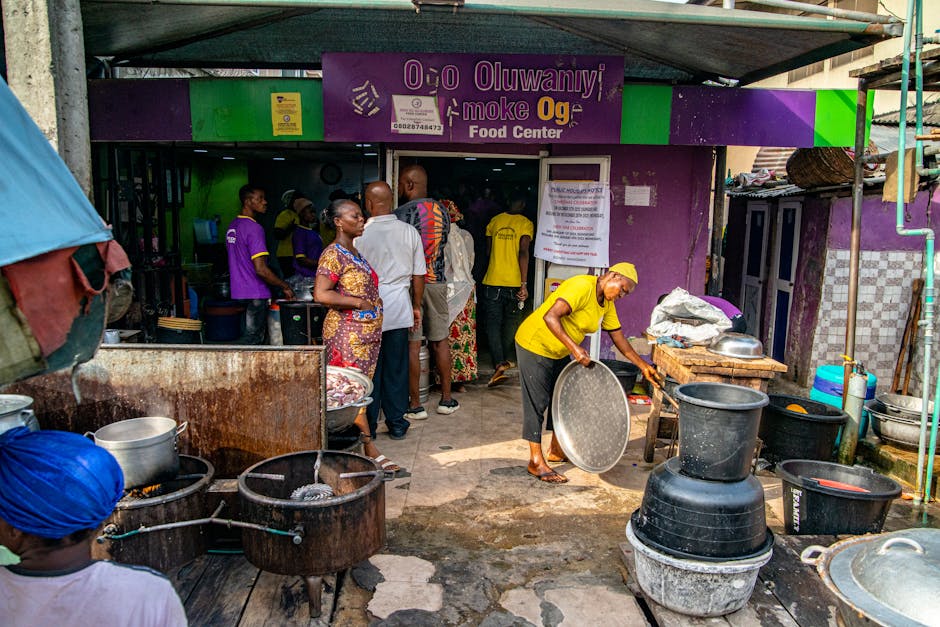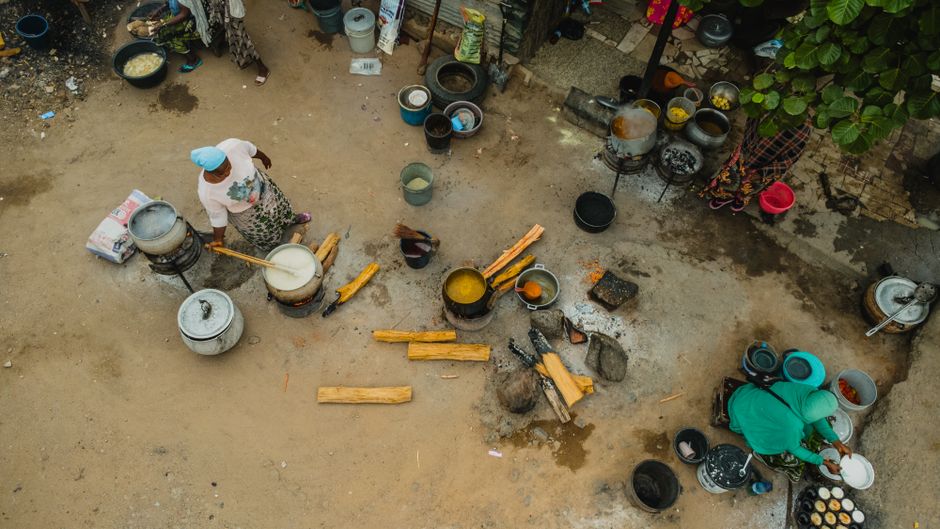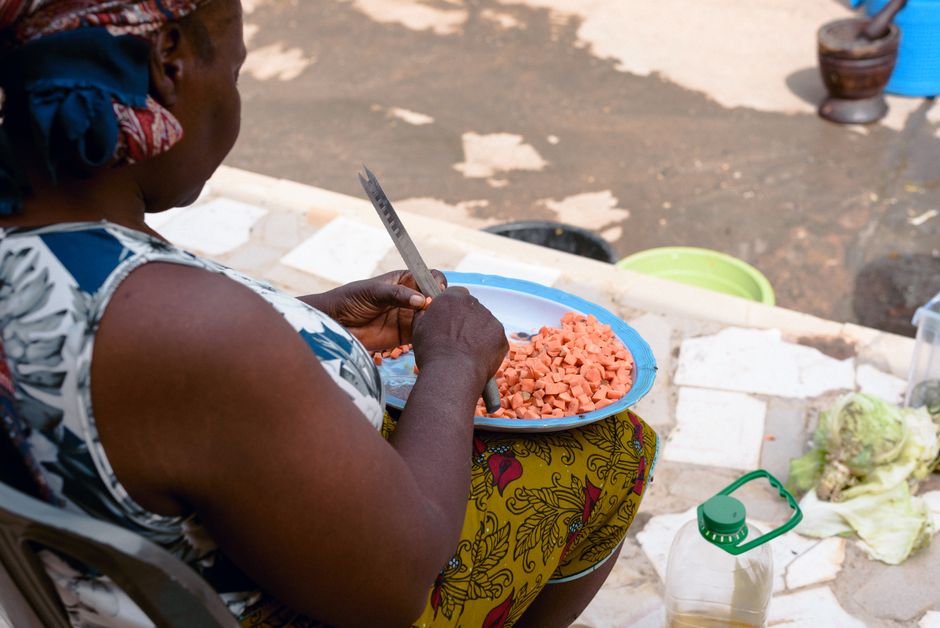
In the hustle and bustle of daily life in Nigeria, maintaining a healthy diet can often seem like an insurmountable challenge. With the demands of work, family, and social activities, finding the time to prepare nutritious meals can feel like a daunting task. However, the solution lies in the power of meal prep. By dedicating a few hours each week to preparing your meals in advance, you can ensure that you always have healthy options at your fingertips, no matter how hectic your schedule becomes.
The benefits of meal prep are numerous. Not only does it save you time and reduce the stress of daily cooking, but it also helps you maintain control over your diet, leading to better overall health. Meal prep allows you to plan balanced meals, manage portion sizes, and make mindful food choices. In this guide, we'll explore essential meal prep tips tailored to the Nigerian lifestyle, ensuring you can enjoy nutritious meals without compromising on taste or convenience.
Understanding the Basics of Meal Prep
Why Meal Prep Matters
Meal prep is more than just a trend; it's a lifestyle choice that can significantly improve your health and well-being. By planning and preparing your meals in advance, you can make smarter food choices, avoid unhealthy fast food, and save money in the long run.
"Meal prep empowers you to take control of your diet, ensuring consistent and healthy eating habits."
Key Components of Effective Meal Prep
Successful meal prep involves three main components: planning, preparation, and storage. By mastering these elements, you can streamline your efforts and maximize efficiency.
- Planning: Decide on your meals for the week, considering your nutritional needs and schedule.
- Preparation: Dedicate a specific time for cooking and assembling your meals.
- Storage: Use appropriate containers to keep your meals fresh and easily accessible.
Meal Prep Strategies for Nigerian Kitchens
Choosing the Right Ingredients
Incorporate a variety of locally available foods to ensure balanced nutrition. Staples like yams, plantains, beans, and vegetables are not only nutritious but also affordable and widely available in Nigerian markets.
Batch Cooking for Efficiency
Prepare large batches of versatile ingredients that can be used in multiple dishes. For example, cook a pot of beans that can be seasoned differently throughout the week.
"Batch cooking is a game-changer in meal prep, offering versatility and reducing daily cooking time."
Maximizing Storage and Packing
Choosing the Right Containers
Invest in high-quality, airtight containers to keep your meals fresh. Glass containers are a great option as they are durable and microwave-safe.
Labeling and Organizing
Label your meals with the date of preparation to ensure you consume them while they're still fresh. Organize your fridge and pantry to easily access your prepped meals.
Staying Motivated and Consistent
Setting Realistic Goals
Start with small, achievable goals to gradually build your meal prep habit. Over time, you can increase the complexity and variety of your meals.
Tracking Your Progress
Keep a meal prep journal to track your successes and areas for improvement. Celebrate your milestones to stay motivated.
Conclusion
Meal prep is an invaluable tool for maintaining a healthy diet amidst the demands of a busy Nigerian lifestyle. By understanding the basics, utilizing effective strategies, and staying motivated, you can enjoy nutritious and delicious meals every day. Whether you're a student, a professional, or a busy parent, meal prep can transform your approach to food and health. Embrace this lifestyle change and savor the benefits of stress-free, healthy eating.