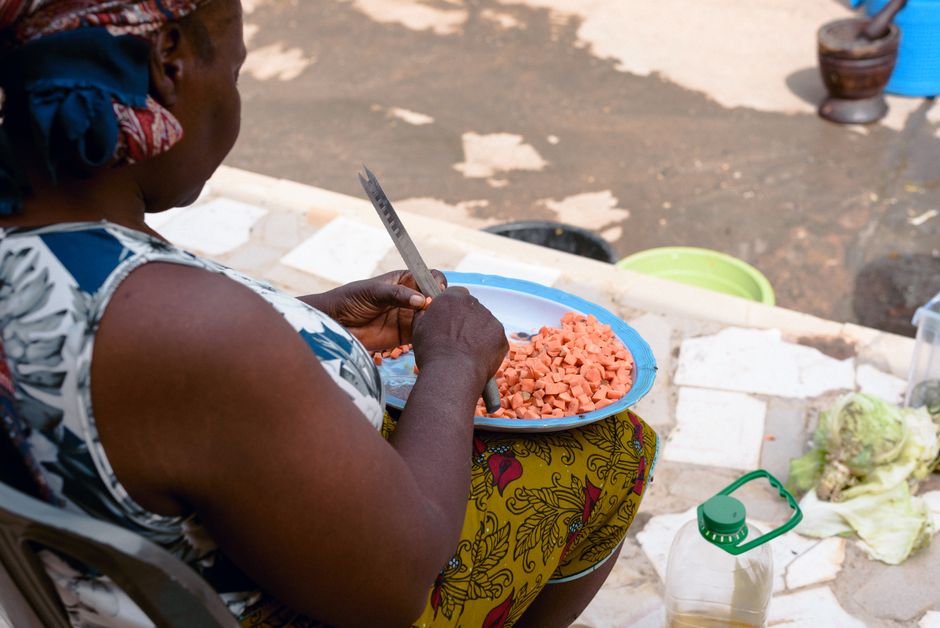
Are you looking to make healthier dietary choices while still enjoying the rich flavors of Nigerian cuisine? Look no further! This guide will provide you with essential tips to enhance your diet without losing touch with beloved traditional meals. Navigating through a world of nutrition can be overwhelming, but with a focus on local ingredients and practices, eating healthy becomes easier and more enjoyable. Whether you're aiming to manage your weight, boost your energy, or improve overall health, incorporating these practical tips into your lifestyle will surely make a difference.
In Nigeria, food is more than just sustenance; it's a vibrant part of culture and community. However, embracing a healthier lifestyle doesn't mean you have to abandon your favorite dishes. Instead, it's about making mindful choices and small adjustments to your existing diet. By focusing on balanced meals and incorporating nutrient-dense foods, you can enjoy the best of both worlds—flavor and health.
Let's delve into some effective Nigerian diet tips that anyone can adopt. These strategies will help you transform your meals into health-boosting indulgences, all while staying true to what makes Nigerian dining special.
Understanding the Basics of a Balanced Nigerian Diet
The Importance of Carbohydrates
Carbohydrates are a staple in many Nigerian meals, but choosing the right type is crucial. Opt for complex carbohydrates like whole grains, yam, and plantains over refined options. These provide sustained energy and are rich in essential nutrients.
- Choose whole grain rice over white rice.
- Incorporate more plantains, whether boiled or grilled.
- Try yam pottage with vegetables for a nutrient boost.
Integrating Proteins Wisely
Proteins are essential for muscle repair and overall health. In Nigeria, we're blessed with a variety of protein sources.
- Include fish like tilapia or catfish in your diet for omega-3 fatty acids.
- Beans are a great source of plant-based protein and are highly versatile.
- Lean meats like chicken should be preferred over fatty cuts.
Incorporating More Vegetables and Fruits
Why Vegetables Matter
Vegetables are rich in vitamins, minerals, and fiber. They help in digestion and are vital for maintaining good health.
- Spinach and jute leaves can be added to stews and soups.
- Okra is excellent for soup, adding both texture and nutrients.
- Use tomatoes, onions, and peppers for natural flavors and nutrients.
Fruits for a Sweet Touch
Fruits are nature's candy, perfect for satisfying sweet cravings while providing essential vitamins.
- Mangoes and papayas are delicious and rich in vitamin C.
- Pineapples make for a great snack or dessert.
- Bananas are an excellent source of potassium and energy.
Portion Control and Mindful Eating
The Role of Portion Sizes
Eating the right portion sizes can help you manage your weight and prevent overeating. It's easy to indulge in large servings, especially during gatherings, but mindful portioning can make a difference.
- Use smaller plates to naturally limit portion sizes.
- Be conscious of the balance between carbs, proteins, and veggies on your plate.
- Listen to your body's hunger cues instead of eating out of habit or boredom.
Mindful Eating Practices
Mindful eating involves appreciating your meals and being present during dining. It can help improve digestion and satisfaction.
- Take your time to chew thoroughly and savor each bite.
- Avoid distractions like TV or phones during meals.
- Appreciate the flavors and textures of your food.
Hydration and Its Impact on Health
The Importance of Staying Hydrated
Water is essential for nearly every bodily function. Staying adequately hydrated keeps your system running smoothly and can even aid in weight loss.
- Aim to drink at least 8 glasses of water daily.
- Include herbal teas or infused water for variety.
- Avoid sugary drinks that can add unnecessary calories.
How to Maintain Hydration
Consistent hydration habits can be developed over time with some simple practices.
- Carry a water bottle wherever you go.
- Set reminders to drink water throughout the day.
- Start your day with a glass of water to kickstart hydration.
Conclusion
Adopting healthier eating habits doesn't mean giving up the rich and diverse flavors of Nigerian cuisine. By making informed choices and small adjustments to your meals, you can enjoy all the deliciousness while enhancing your health. From understanding macronutrients to practicing portion control and ensuring adequate hydration, these tips are your roadmap to a balanced Nigerian diet. Remember, the journey to better health is a marathon, not a sprint. Take it one meal at a time, and soon, you'll see the positive changes reflecting in your energy levels, mood, and overall well-being. Here's to a healthier you!