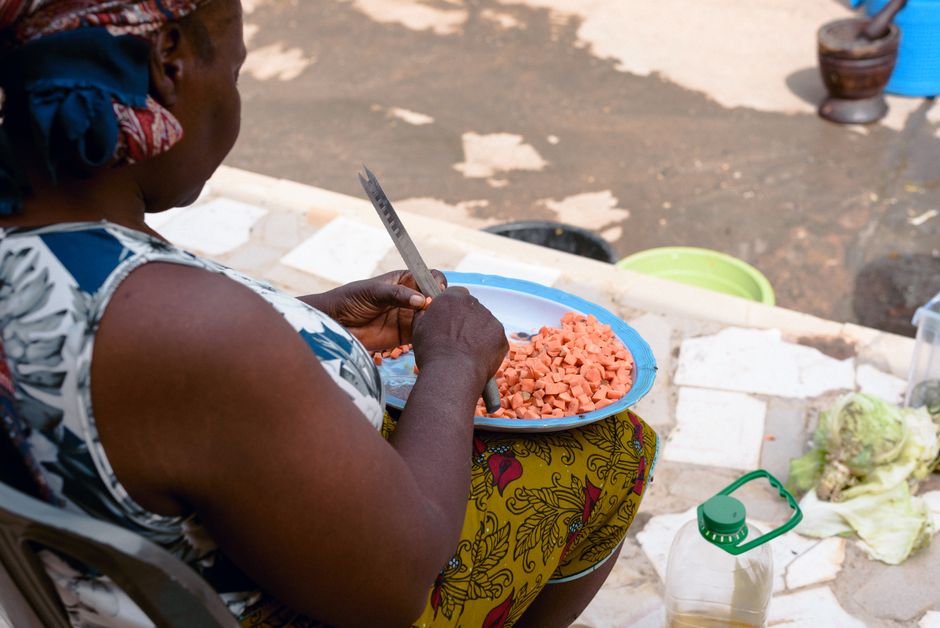
In Nigeria, food is more than just sustenance; it's a celebration of culture, tradition, and community. From the sizzling jollof rice to the aromatic egusi soup, Nigerian cuisine is rich in flavor and diversity. However, with the increasing prevalence of lifestyle-related diseases, maintaining a healthy diet has become more important than ever. This article will provide you with essential tips on how to make healthier choices while still enjoying the rich culinary heritage of Nigeria.
Embracing a healthier lifestyle doesn't mean you have to give up on the foods you love. Instead, it's about finding a balance that works for you and incorporating nutritious elements into your daily meals. Whether you live in Lagos or Kano, these practical diet tips are designed to fit seamlessly into your life. Let's embark on this journey towards a healthier you, without compromising on the flavors you adore.
Understanding Nigerian Dietary Habits
The Role of Staple Foods
Nigerian diets typically revolve around staple foods like rice, yams, cassava, and plantains. These foods are rich in carbohydrates and provide energy for daily activities. However, over-reliance on these staples can sometimes lead to an imbalance in nutrient intake.
To ensure a balanced diet, it's crucial to complement these staples with a variety of vegetables, proteins, and healthy fats. This combination not only enhances the overall nutritional profile but also adds variety to your meals.
"It's not about giving up your favorite foods, but about making smarter choices to enrich your diet with essential nutrients."
Balancing Traditional and Modern Nutrition
While traditional Nigerian dishes are delicious, they can sometimes be high in oil and salt. Modern nutrition suggests reducing these elements without sacrificing taste. For instance, using healthier oils like olive or canola and seasoning with herbs and spices instead of excess salt can make a significant difference.
Adapting recipes to include more vegetables and lean proteins is another effective strategy. By adding spinach to egusi soup or incorporating beans into rice dishes, you can increase the nutritional value of your meals while maintaining their traditional appeal.
Practical Tips for a Healthier Nigerian Diet
Incorporate More Vegetables
Vegetables are a powerhouse of vitamins, minerals, and antioxidants. Unfortunately, they're often overlooked in favor of more carb-heavy foods. To remedy this, aim to fill at least half of your plate with vegetables at every meal.
- Add leafy greens like ugu or kale to soups and stews.
- Experiment with different vegetable combinations in stir-fries or salads.
- Use vegetables as snacks, such as carrot sticks or cucumber slices.
Choose Lean Proteins
Proteins are crucial for building and repairing body tissues. Opt for lean sources such as fish, chicken, and legumes. These options are not only healthier but also versatile in various dishes.
- Include more fish in your diet, such as grilled tilapia or mackerel.
- Try plant-based proteins like beans and lentils, which are excellent in stews and soups.
- Limit the intake of red meat and processed meats, opting for grilled or baked preparations instead.
Practice Portion Control
Portion sizes can significantly impact your calorie intake. Being mindful of how much you eat is as important as what you eat. Start by using smaller plates and bowls to naturally control portions, and pay attention to hunger cues.
"Mindful eating helps you enjoy your food more and prevents overeating, leading to a healthier lifestyle."
Healthy Cooking Methods
Opt for Grilling or Baking
Grilling or baking instead of deep-frying can reduce the amount of unhealthy fats in your diet. These methods enhance the natural flavors of food, making them tastier and healthier.
- Grill meats and fish for a smoky flavor without added fats.
- Bake plantains or yams instead of frying to keep them light and nutritious.
- Use air fryers as a healthy alternative to traditional frying methods.
Reduce Salt and Sugar Intake
Excessive salt and sugar consumption can lead to health issues such as high blood pressure and diabetes. Adjusting your palate to enjoy less salt and sugar can have significant health benefits.
- Use natural sweeteners like honey or dates in place of refined sugar.
- Experiment with herbs and spices for flavor instead of relying on salt.
- Read labels carefully and choose products with lower sodium and sugar content.
Staying Hydrated
The Importance of Water
Water is essential for all bodily functions, yet many Nigerians do not drink enough of it daily. Staying hydrated helps maintain energy levels and promotes overall health.
- Carry a water bottle and make it a habit to sip throughout the day.
- Infuse water with fruits or herbs for a refreshing twist.
- Limit sugary drinks and opt for water or herbal teas instead.
Conclusion
Adopting a healthier diet in Nigeria doesn't mean sacrificing tradition or flavor. By making informed choices and incorporating these practical tips into your daily routine, you can enjoy the best of both worlds—a delicious and nutritious diet that supports your health and well-being. Remember, the journey to a healthier lifestyle is a marathon, not a sprint. Take it one step at a time, and before you know it, you'll be reaping the benefits of a balanced Nigerian diet.