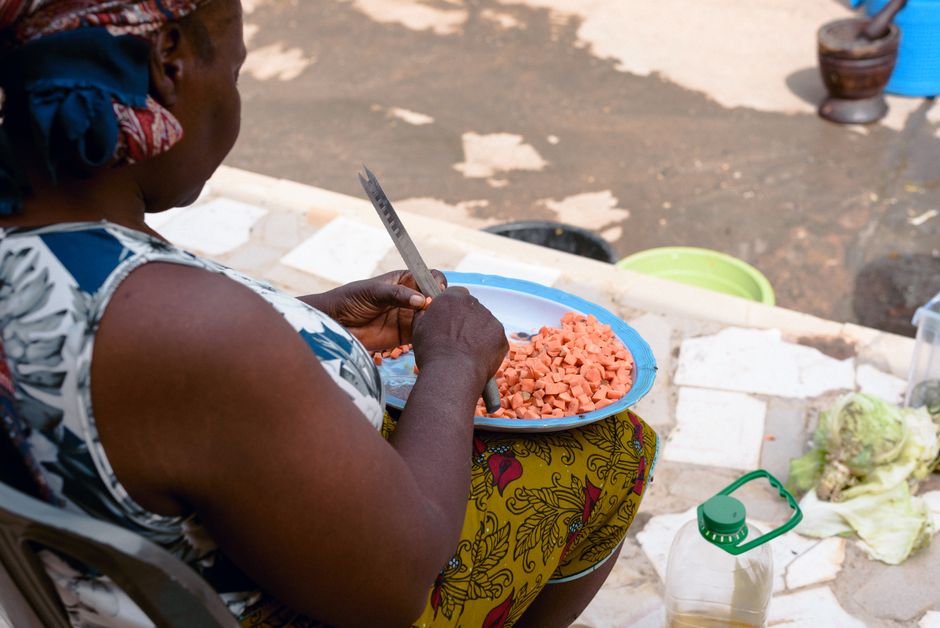
In Nigeria, a land rich with diverse cultures and delicious cuisines, maintaining healthy eating habits can be a delightful journey. Whether you're enjoying Jollof rice at a family gathering or savoring a bowl of spicy Egusi soup, the key is understanding how to balance these flavors with nutritional needs. This article will guide you through practical, culturally resonant ways to eat healthily, ensuring every meal is both satisfying and beneficial to your health.
Healthy eating is not about strict dietary limitations or depriving yourself of the foods you love. It's about feeling great, having more energy, improving your health, and boosting your mood. With a focus on Nigerian foods, let's explore how you can incorporate nutritious habits into your lifestyle.
Understanding Nigerian Food Culture
The Richness of Nigerian Cuisine
Nigerian cuisine is a fusion of various cultural influences, creating a tapestry of flavors and ingredients. From the tangy taste of ofada rice to the savory delight of suya, these dishes are deeply rooted in tradition.
Nigerian meals often revolve around carbohydrates such as rice, yam, and cassava, complemented by varied proteins and vegetables. Understanding this balance is crucial to making healthier choices.
Common Nutritional Challenges
Despite the diversity of options, some common nutritional challenges persist. High-carb diets, excessive oil usage, and low vegetable intake can lead to health issues like obesity and hypertension.
By acknowledging these challenges, we can emphasize the importance of vegetables and lean proteins while moderating carb intake.
Practical Tips for Healthy Eating
Incorporate More Vegetables
Vegetables are packed with essential nutrients and fibers. Aim to include at least two servings of vegetables in each meal. This could be as simple as adding a side of steamed spinach or slicing tomatoes into your stews.
“Vegetables should make up a substantial portion of your plate. Think of them as a main dish, not merely a side.”
- Opt for a variety of colors in vegetables to ensure a wide range of nutrients.
- Explore local markets for fresh, seasonal produce which is often more affordable and nutritious.
Moderate Carbohydrate Intake
Carbohydrates are an essential part of diets but should be consumed in moderation. Choose whole grains like brown rice and millet over refined options.
- Substitute yam or cassava flour for refined flour when possible.
- Control portion sizes, using your fist as a measure for one serving of carbs.
Balance Protein Sources
Protein is vital for body repair and growth. Incorporate a variety of protein sources such as fish, chicken, beans, and legumes into your meals.
“Variety is key. Mix plant-based proteins with animal proteins for a balanced diet.”
- Include beans and legumes in your meals several times a week.
- Choose grilled or baked meats over fried to reduce unhealthy fats.
Planning and Preparing Meals
Benefits of Meal Planning
Meal planning can save time, reduce food waste, and help maintain a balanced diet. By planning your meals, you can ensure each one aligns with your nutritional goals.
Create a weekly meal plan that includes a mix of traditional and healthy dishes, considering the nutrient content of each meal.
Simple Meal Prep Techniques
Start by prepping ingredients in bulk. Chop vegetables, marinate proteins, and cook grains ahead of time. This prep work can make cooking less stressful and more efficient.
- Invest in quality storage containers to keep prepped ingredients fresh.
- Schedule a specific day each week for meal prep, turning it into a family activity.
The Role of Supplements
When Supplements Are Necessary
While a balanced diet should provide most nutrients, supplements may be necessary for some, particularly those with dietary restrictions or chronic health issues.
Consult with a healthcare provider before starting any supplement regimen to ensure it's tailored to your needs.
Common Nutritional Supplements
In the Nigerian context, common supplements include vitamin D, omega-3 fatty acids, and iron. These address typical deficiencies seen due to dietary patterns.
- Choose high-quality supplements from reputable brands.
- Ensure you’re not exceeding recommended doses to avoid toxicity.
Conclusion
Healthy eating in Nigeria is a celebration of both tradition and wellness. By integrating these practical tips into your lifestyle, you can enjoy your favorite foods while nurturing your body. Remember, it's about balance and making informed choices. Embrace each meal as an opportunity to fuel your body and spirit, ensuring that you enjoy every bite along the way.