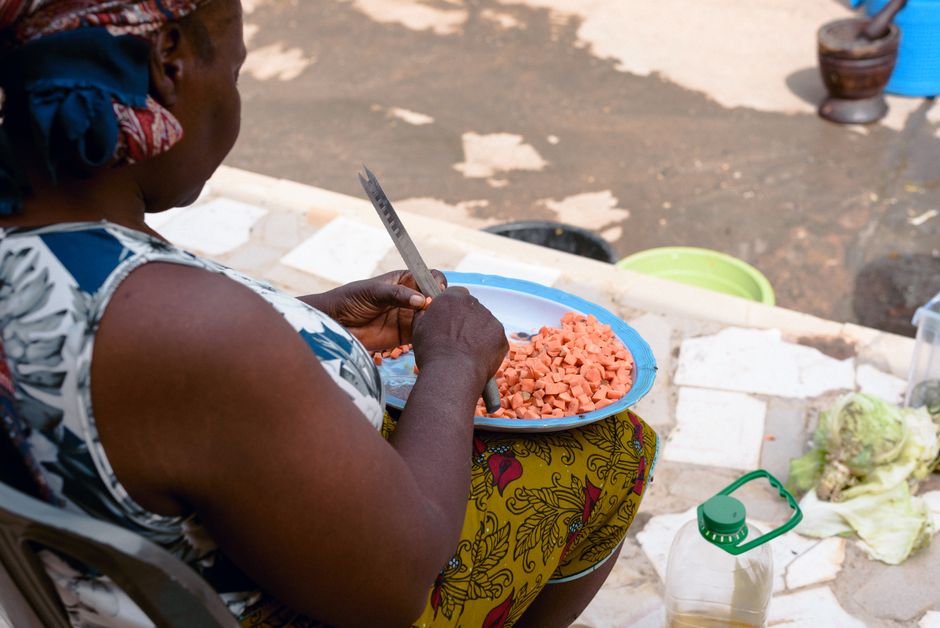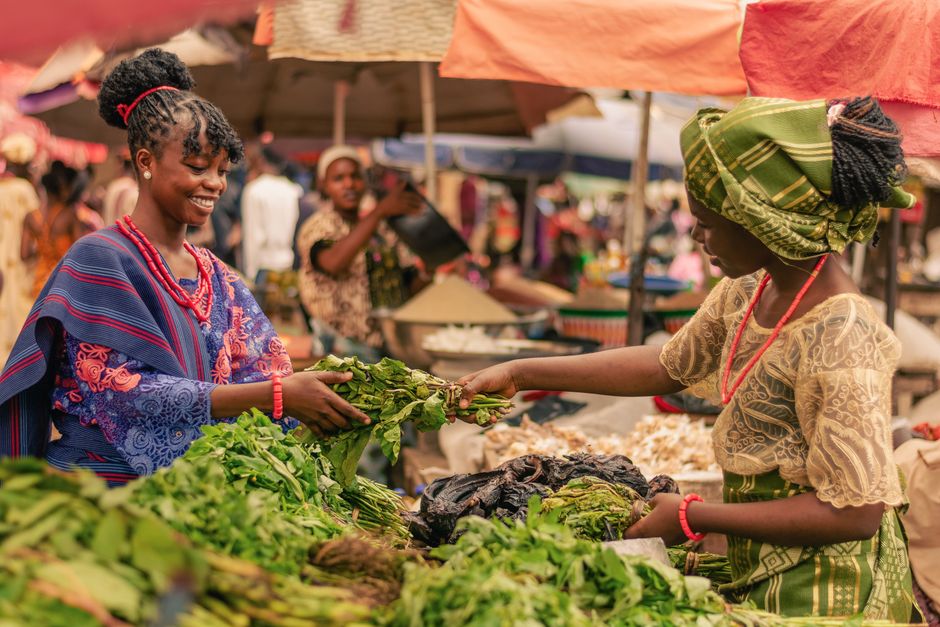
In the bustling streets of Nigeria, where jollof rice, suya, and pounded yam are staples, maintaining a healthy diet can sometimes feel like a daunting task. But what if we told you that embracing healthy eating doesn't mean abandoning your favorite Nigerian dishes? It's about making smarter choices and understanding the nutrition behind the foods we love. Whether you're in Lagos, Abuja, or a smaller town, these practical tips aim to make healthy eating an achievable goal.
Before we dive in, let's address the primary keyword: healthy eating. This concept is more than just a trend; it's a lifestyle adjustment that can have profound impacts on your energy levels, mental clarity, and overall health. So, how can you make the most of your Nigerian diet while still staying healthy? Let's explore.
Incorporating Traditional Foods for Better Nutrition
Nigerian cuisine is rich in diversity and flavor, offering a plethora of nutritional benefits when prepared thoughtfully. Understanding the health benefits of traditional ingredients can help you make wiser meal choices.
Exploring the Nutritional Power of Nigerian Staples
Nigerian staples like yams, beans, and plantains are not only delicious but also pack a punch in terms of nutrition. For instance, beans are a great source of protein and fiber, essential for maintaining energy levels throughout the day.
"Beans are often underappreciated in Nigerian diets, yet they are a powerhouse of nutrition that can transform your health."
Similarly, plantains are rich in potassium and vitamins A and C, making them an excellent choice for your side dishes. By understanding the nutritional value of these foods, you can start to see them as allies in your health journey.
Healthy Preparation Methods
While deep-frying is a common cooking method in Nigeria, opting for grilling, steaming, or baking can significantly reduce calorie intake without sacrificing taste. For instance, instead of deep-frying plantains, try grilling them for a healthier alternative.
Portion Control: The Secret to Balanced Eating
One of the simplest ways to eat healthier is by practicing portion control. This doesn't mean you have to deprive yourself but rather be mindful of serving sizes.
Understanding Portion Sizes
- Use smaller plates to naturally reduce portion sizes.
- Fill half your plate with vegetables, a quarter with protein, and a quarter with carbohydrates.
- Be conscious of liquid calories from sugary drinks and alcohol.
"Portion control is not about eating less; it's about eating smart."
Mindful Eating Practices
Besides portion control, adopting mindful eating practices can help you appreciate your meals more. Savor each bite, chew slowly, and avoid distractions like TV or smartphones while eating.
Embracing Local Produce for Maximum Health Benefits
Nigeria is blessed with an abundance of fresh produce that can enrich your diet with essential vitamins and minerals.
Seasonal Fruits and Vegetables
Eating seasonal fruits and vegetables not only provides the best taste and nutrition but also supports local agriculture. Mangoes, pawpaws, and guavas are excellent sources of vitamins and can be enjoyed as snacks or in salads.
Shopping at Local Markets
Shopping at local markets in Nigeria not only allows you to access fresh produce but also helps in supporting local farmers. When you buy your fruits and veggies locally, you're more likely to consume them at their peak freshness.
Making Healthier Choices When Eating Out
Dining out is a common part of life in Nigeria, whether for business or pleasure. However, making healthier choices at restaurants is crucial for maintaining your diet.
Choosing Healthier Menu Options
- Look for dishes that are grilled, steamed, or baked.
- Ask for dressings and sauces on the side to control calorie intake.
- Opt for water or natural fruit juices instead of sugary drinks.
Understanding Food Labels
When eating pre-packaged foods, reading food labels can help you make informed decisions. Pay attention to serving sizes, sugar content, and the list of ingredients.
Conclusion
Adopting healthy eating habits in Nigeria doesn't mean giving up on the flavors you love. It's about making conscious choices, embracing local produce, and understanding portion sizes. By implementing these tips in your daily life, you can enjoy a balanced diet that nourishes your body and satisfies your taste buds. Remember, healthy eating is a journey, not a destination. Make small changes, and over time, they'll lead to a healthier, happier you.