In January 2023, I stood at a crossroads. At 35, my energy levels were declining, and my health metrics were less than stellar. I was desperate for a change. Raised in Lagos, I grew up relishing the rich, spicy flavors of traditional Nigerian dishes. But in my quest for a healthier lifestyle, I often found myself leaning towards Western diets, abandoning the foods that reminded me of home.
Then one day, as I walked through the bustling Tejuosho Market, the sight of fresh vegetables reignited something in me. Efo Riro, a popular Nigerian spinach stew, popped into my mind. I remembered how it was a staple during my childhood, full of rich nutrients and flavors.
Rediscovering Efo Riro
Efo Riro is not just a dish but a celebration of flavors and nutrients. Its primary ingredient, green leafy vegetables, is packed with vitamins and minerals. I decided to see if this traditional dish could turn my health around.
Understanding Its Nutritional Value
Spinach, the key ingredient, is loaded with vitamins A, C, and K. It also contains folate, iron, and calcium. When combined with tomatoes, peppers, and onions, it creates a nutrient-rich dish.
- Vitamin A: Supports eye health and bolsters the immune system.
- Iron: Essential for blood production and energy levels.
- Fiber: Aids digestion and promotes a feeling of fullness.
"Efo Riro isn't just food; it's an infusion of health benefits," says nutritionist Dr. Adesanya.
Revamping My Cooking Habits
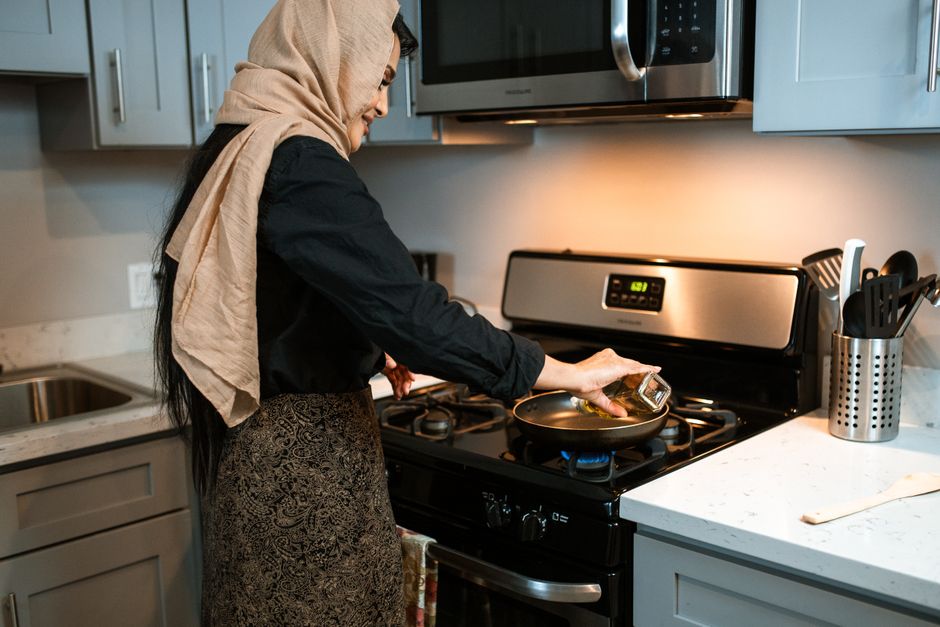
Instead of using palm oil, which is traditional but high in saturated fats, I opted for a healthier alternative: olive oil. This small change reduced unnecessary calories and helped lower cholesterol levels.
Implementation and Initial Challenges
Transitioning back to Nigerian cuisine had its challenges. My palate was accustomed to less spicy, bland foods. But I was determined to embrace the flavors of Efo Riro.
The Search for Fresh Ingredients
Finding fresh ugwu and waterleaf was harder than I anticipated. Tejuosho Market became my go-to place, where vendors knew me by name. I learned to haggle, ensuring I got the best produce at the best prices.
Adapting to Healthier Portions
Portion control was another significant change. Instead of loading my plate, I learned to balance it with a moderate amount of Efo Riro and a side of brown rice or boiled plantains. This kept my carb intake in check and ensured I didn't overeat.
The Health Impact Over Time
Within a month of incorporating Efo Riro into my diet, my energy levels surged. I felt more active, and my skin glowed. My biweekly visits to the doctor also showed improved health metrics.
Weight and Energy Levels
Over three months, I lost 5kg. My energy levels were higher than they'd been in a decade. Early morning walks became enjoyable, not a chore.
Boost in Confidence and Well-being
Feeling healthier translated into increased confidence. I wore clothes that had been hidden in my wardrobe for years and socialized more.
Sharing the Journey
Encouraged by my progress, I shared my journey on social media. Friends and family were intrigued, asking for my Efo Riro recipe. I even organized a small cooking class in my home, teaching them how to make it healthily.
Engaging with the Community
Sharing my story connected me with others on similar journeys. We exchanged tips and recipes, building a supportive community focused on health and traditional foods.
"Reconnecting with Nigerian cuisine was the best decision for my health," I often share with my followers.
Conclusion
My journey with Efo Riro is a testament to the power of traditional foods in modern health. By tweaking recipes and embracing our culinary roots, Nigerian cuisine can be a cornerstone of a healthy lifestyle. I urge others to explore this delicious path and transform their health, one plate at a time.