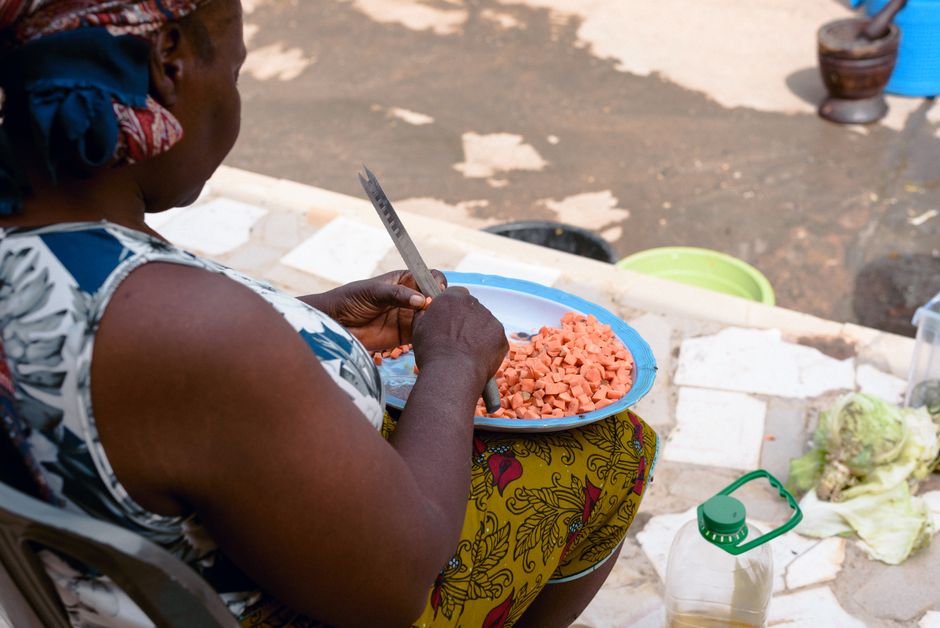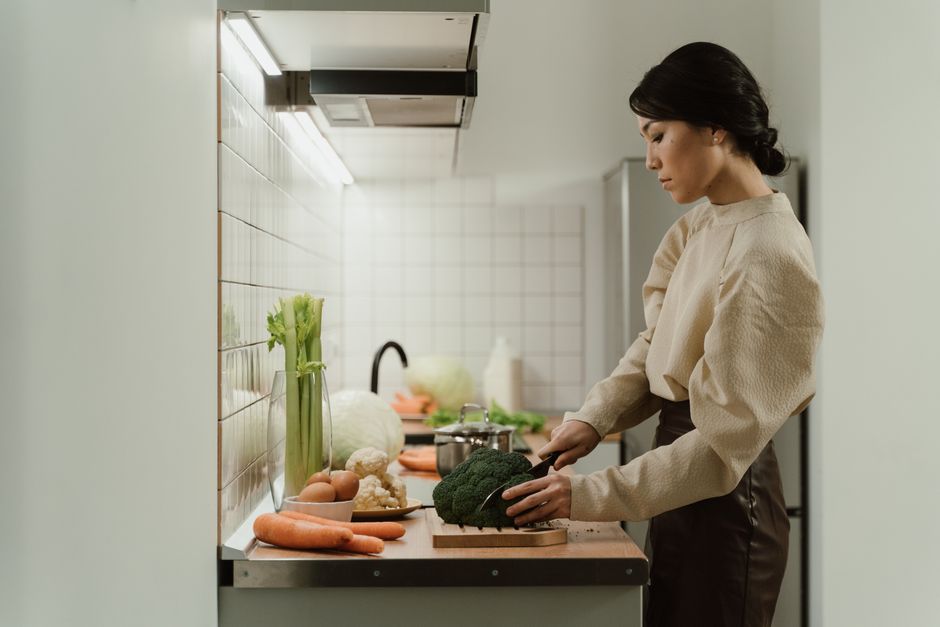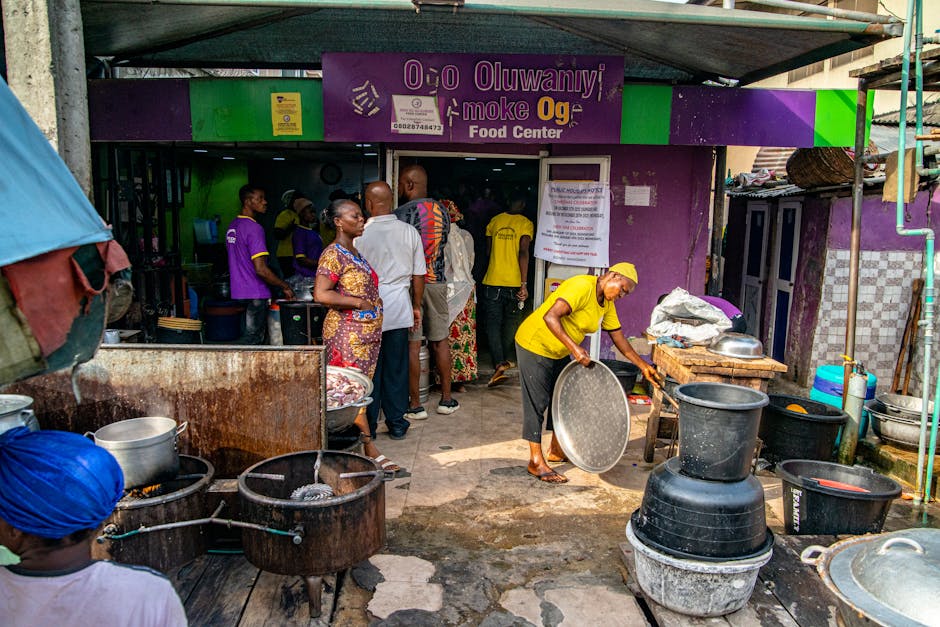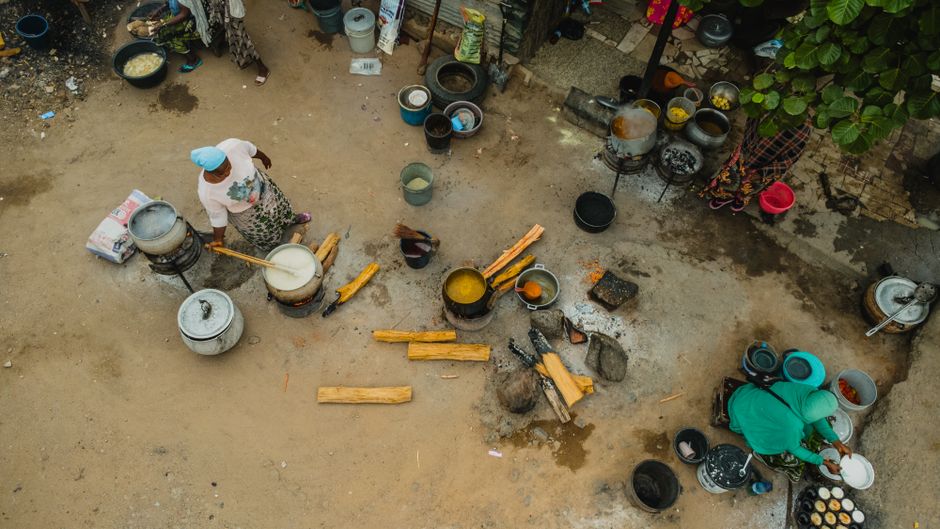
In today's fast-paced world, many Nigerians find themselves juggling between work, family, and personal commitments. This hustle can often push healthy eating to the back burner. But what if we told you that a little planning and preparation could transform your diet and simplify your lifestyle? Enter the world of meal prep. Meal prepping is more than a trend; it's a lifestyle change that can save time, money, and improve your health. Whether you're a busy professional in Lagos or a student in Enugu, mastering the art of meal prepping can help you maintain a balanced diet without the daily hassle of cooking.
Meal prep isn't just about cooking in bulk; it's about creating a system that works for you. By preparing meals in advance, you can make healthier choices, control portion sizes, and avoid the temptation of fast food and processed snacks. Let's dive into the world of Nigerian meal prep and discover how you can make it work for your schedule and dietary needs.
Understanding Meal Prep Basics
What is Meal Prep?
Meal prep refers to preparing whole meals or dishes ahead of schedule. It's a great way to ensure you have a healthy meal ready to go, especially when time is scarce. This technique often involves cooking in bulk on weekends and storing meals in the fridge or freezer for the week ahead.
Benefits of Meal Prepping
- Time-saving: Spend less time cooking during busy weekdays.
- Cost-effective: Buying and cooking in bulk can reduce grocery bills.
- Healthier meals: Control your ingredients and portion sizes for better nutrition.
- Reduce food waste: Plan your meals to use up all your groceries efficiently.
"Meal prepping allows you to make healthier, cheaper, and quicker meals, saving you time and money in the long run." - Amaka, Nutritionist
Getting Started with Nigerian Meal Prep
Plan Your Menu
Start by deciding on the meals you want to prepare for the week. Consider traditional Nigerian dishes like jollof rice, egusi soup, or moi moi. Mix and match proteins, vegetables, and grains to keep meals balanced and exciting.
Grocery Shopping Tips
Once you have your menu, create a shopping list. Focus on fresh, seasonal produce, lean proteins, and whole grains. Visit local markets in Lagos or Abuja to find the freshest ingredients at the best prices.
Equipment Needed
- Storage containers: Invest in good-quality, reusable containers for storing meals.
- Cooking tools: Basic pots, pans, and knives are essential for efficient cooking.
- Labels: Use labels to keep track of what you’ve prepared and when it should be eaten by.
Meal Prep Techniques for Nigerian Dishes
Batch Cooking
Batch cooking is the heart of meal prep. Cook large quantities of staples like rice, beans, or stews, and divide them into portions. These can be mixed and matched throughout the week.
Freezing and Storing
Many Nigerian dishes freeze well. For instance, you can make large pots of soups and stews and freeze them in individual servings. This keeps them fresh and ready to heat when needed.
Portion Control
Use your meal prep time to portion out meals according to your dietary goals. This not only helps with calorie control but also makes it easier to grab a meal when you're in a hurry.
Overcoming Meal Prep Challenges
Maintaining Variety
It's easy to fall into a rut with meal prep. To avoid this, rotate your protein sources and vegetables weekly. Try new recipes or incorporate a theme night like "fish fry Friday" or "vegetarian Monday."
Finding Time
Dedicate a few hours on weekends to meal prep. Consider it self-care time that pays off with less stress during the week. You can also involve family members to make it a fun, collective effort.
"Start small. Even if it's just prepping lunch for the week, it's a step in the right direction." - Chidi, Fitness Coach
Making Meal Prep Work for You
Adjusting for Dietary Needs
Whether you're vegetarian, gluten-free, or have other dietary restrictions, meal prep can be adapted. The key is to focus on your nutritional needs and tailor your meals accordingly.
Incorporating Nigerian Flavors
Nigerian cuisine is rich in flavor and spices. Keep your meals exciting by using local spices and herbs like thyme, curry powder, and pepper to add a traditional taste to your meals.
Conclusion
Mastering the art of meal prepping can transform how you think about food and nutrition. By planning, preparing, and enjoying home-cooked meals, you're investing in your health and wellbeing. So, whether you're new to meal prep or looking to streamline your current system, these tips are designed to get you started on the path to healthier eating.
Remember, meal prep is a journey, not a destination. Start with simple steps, and soon, you'll find a routine that fits seamlessly into your lifestyle. Here's to a healthier, happier you!