In today's fast-paced world, embracing meal prep can be a game-changer, especially for Nigerians juggling work, family, and social commitments. By planning your meals in advance, not only can you save valuable time, but you can also ensure you're making healthier food choices. This guide will walk you through practical meal prep strategies, tailored to the Nigerian lifestyle, ensuring you stay nourished and energized throughout the week.
Whether you're a busy professional in Lagos or a student in Nsukka, meal prepping can simplify your life and help you embrace a healthier diet. Let's dive into how you can make this happen.
Understanding Meal Prep
What is Meal Prep?
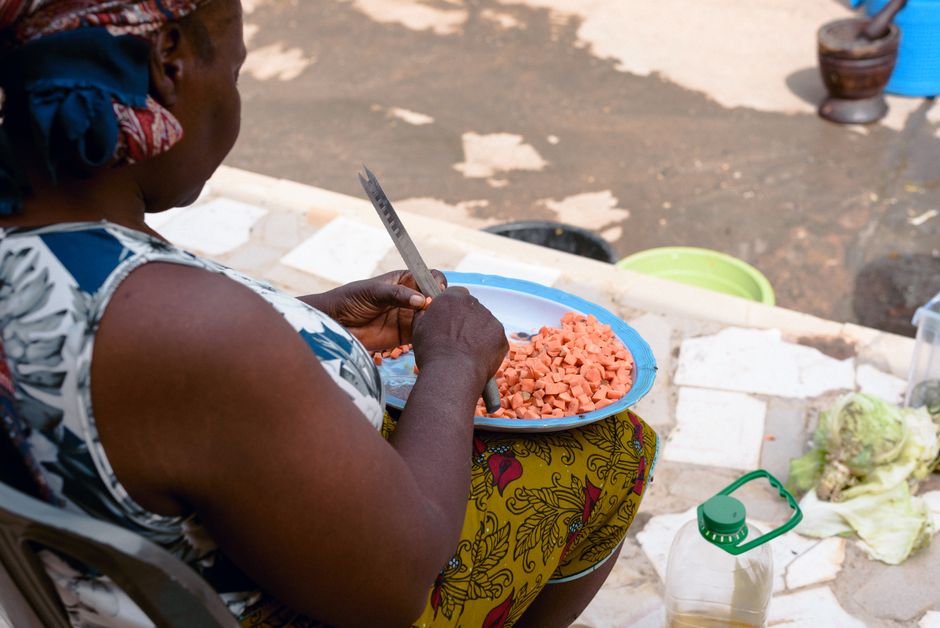
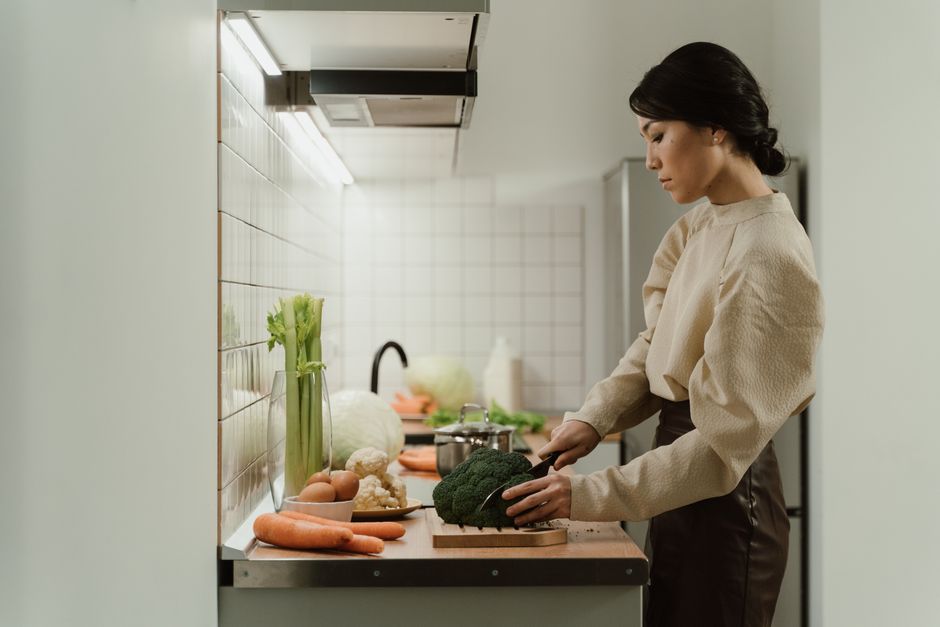
Meal prep is the process of planning and preparing your meals in advance. This could mean cooking meals for the week on a Sunday or simply preparing ingredients ahead of time to make cooking during the week quicker and easier.
By prepping your meals, you gain control over your diet and food portions, leading to healthier eating habits.
Benefits of Meal Prep
- Time-saving: Spend a few hours prepping each week and save time daily.
- Cost-effective: Buy in bulk and reduce food waste, saving money.
- Healthier choices: Avoid impulsive fast food choices by having meals ready.
Meal Prep Strategies for Nigerians
Stocking the Right Ingredients
Start by stocking up on staple ingredients commonly used in Nigerian dishes. Think of items like rice, beans, yams, plantain, and fresh vegetables.
Batch Cooking
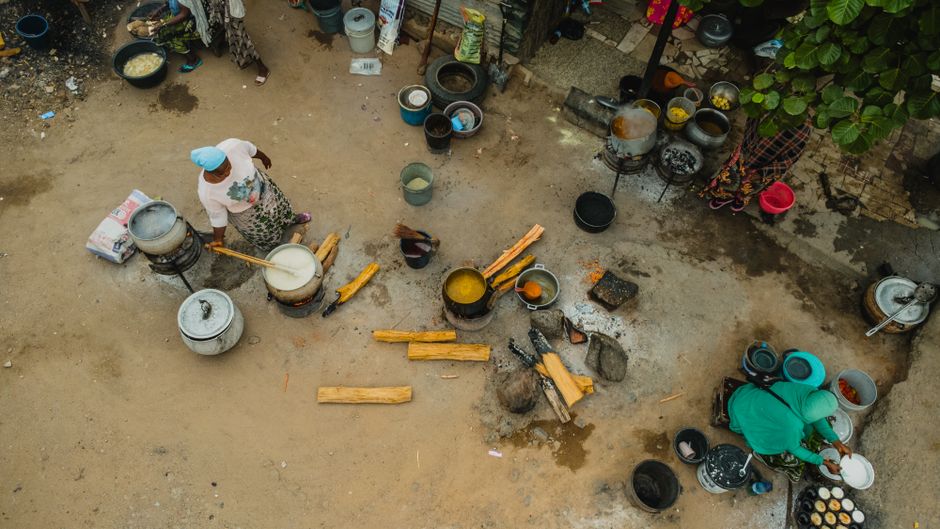
Cook large batches of popular Nigerian dishes such as Jollof rice, Egusi soup, or Afang soup. These can be stored in portion-sized containers and refrigerated or frozen for later use.
Utilizing Local Markets
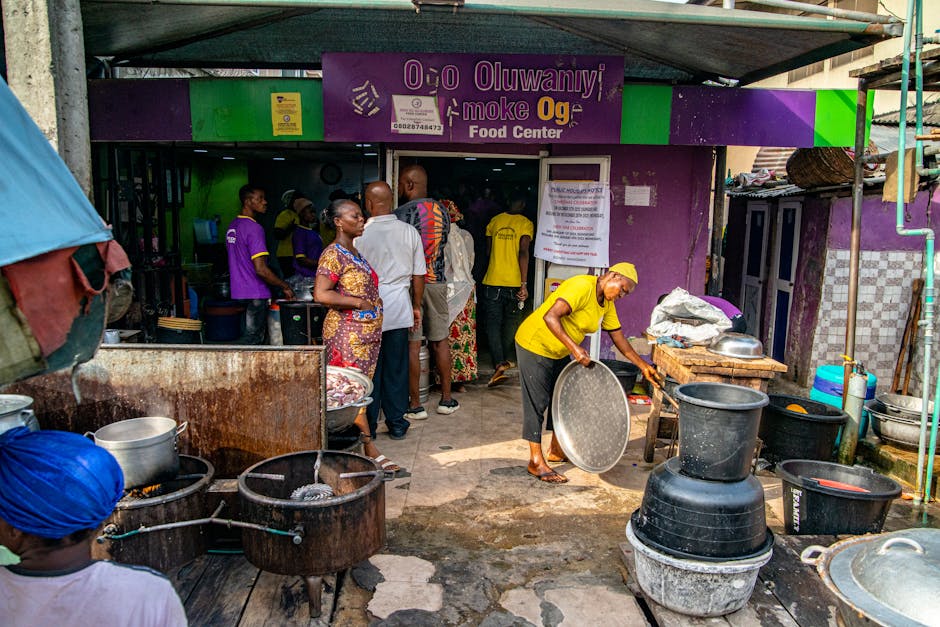
Take advantage of local markets to source fresh produce and spices at affordable prices. Visiting markets such as Balogun in Lagos can provide both quality and variety.
Practical Tips for Successful Meal Prep
Plan Your Meals
Before you begin cooking, plan your meals for the week. This includes deciding what dishes you want to prepare and creating a shopping list based on these dishes. This step ensures you're prepared and organized.
Invest in Quality Storage Containers
Invest in quality, airtight containers. This ensures your meals remain fresh and are easy to store in the fridge or freezer.
Consider transparent containers that allow you to see the contents easily, saving you time during busy mornings.
Set Aside a Specific Day for Meal Prep
Choose a day that works best for you, such as Sunday, to do all your meal prepping. Make it a routine to streamline the process.
Overcoming Common Challenges
Dealing with Limited Storage
If fridge space is an issue, opt for dishes that don't require refrigeration or use dried ingredients like beans and grains that can be stored in cabinets.
Keeping Meals Interesting
Variety is key to preventing meal prep monotony. Mix up your weekly menu by experimenting with different spices and ingredients to keep meals exciting.
Incorporating Nutritional Balance
Balancing Macronutrients
A well-prepared meal should include a balance of carbohydrates, proteins, and fats. Consider adding complex carbs like brown rice, lean proteins like chicken or fish, and healthy fats from avocado or nuts.
Incorporating Vegetables
Ensure each meal includes a serving of vegetables. This not only adds color to your plate but also boosts nutritional content.
Conclusion
Meal prep is more than just a trend; it's a lifestyle change that offers numerous benefits. By adopting meal prep tailored to the Nigerian diet, you can save time, cut costs, and ensure a healthier lifestyle. Start small, stay consistent, and enjoy the peace of mind that comes with knowing you have nutritious meals ready to fuel your days.