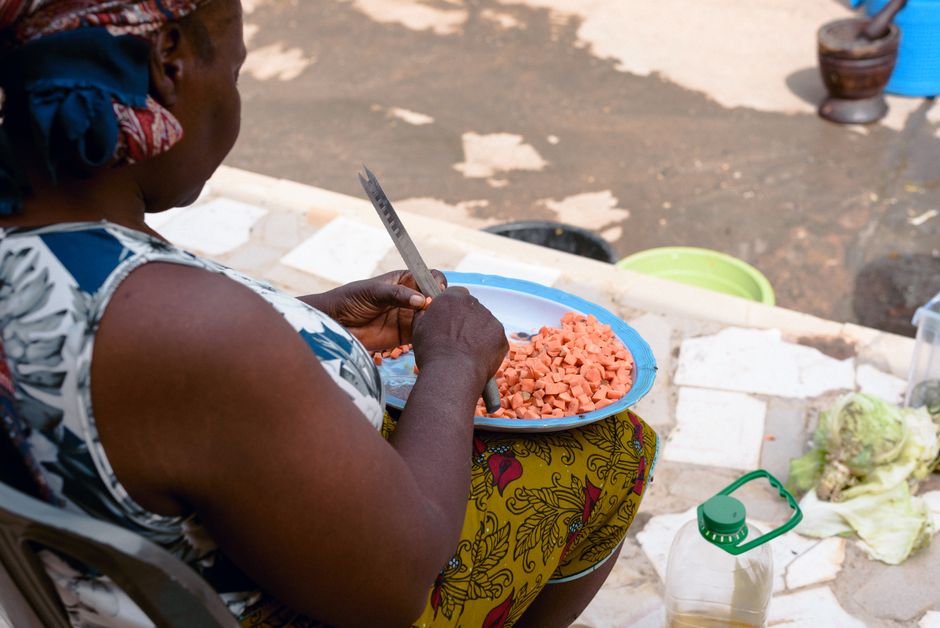
In today's fast-paced world, maintaining a healthy diet can seem daunting, especially when faced with the rich and diverse Nigerian cuisine. However, embracing healthy eating habits is crucial for sustaining long-term health and vitality. Whether you're navigating the bustling markets of Lagos or savoring the traditional dishes of the Igbo region, there's always room to incorporate healthier choices without sacrificing flavor or tradition.
Understanding how to blend these cultural delicacies with nutritious ingredients can enhance not only your meals but also your overall well-being. Let's explore practical ways to introduce healthier eating habits into your daily life, ensuring that you enjoy your favorite Nigerian dishes while supporting your health goals.
Understanding the Basics of Healthy Eating
Importance of Nutrient Density
To achieve a balanced diet, focus on nutrient-dense foods that provide more vitamins and minerals without excessive calories. Think whole grains, lean proteins, fruits, and vegetables, which are staples in many Nigerian meals.
- Whole Grains: Swap refined grains with whole grains like millet, sorghum, and brown rice.
- Lean Proteins: Opt for beans, fish, and lean cuts of meat like chicken for protein sources.
- Fruits and Vegetables: Incorporate a variety of seasonal produce for a colorful plate full of nutrients.
Portion Control Tips
Understanding portion sizes can help avoid overeating while still enjoying traditional meals. Use smaller plates to naturally reduce portion sizes, and practice mindful eating by savoring each bite.
"Mindful eating not only enhances the meal experience but also prevents overindulgence."
Integrating Healthy Ingredients into Nigerian Recipes
Healthy Recipe Makeovers
Many traditional Nigerian recipes can be adapted to be healthier without losing their essence. For example, substituting palm oil with healthier oils like olive or avocado can reduce saturated fat intake.
- Jollof Rice: Use brown rice and lots of vegetables to boost fiber content.
- Egusi Soup: Add extra leafy greens and lean proteins like fish to enhance nutrient content.
- Suya: Opt for leaner cuts of meat and pair with veggies for a balanced meal.
Incorporating Local Superfoods
Nigeria is rich in local superfoods that can boost your health. Consider adding moringa leaves, baobab fruit, or pumpkin seeds to your diet for added nutrients.
Practical Meal Planning and Preparation
Weekly Meal Prep Strategies
Planning meals ahead can help you stick to a healthy diet. Prepare a weekly menu, shop for fresh ingredients in advance, and allocate time for meal prep to ensure you're ready for the week.
- Create a Shopping List: Focus on fresh produce and whole grains.
- Batch Cook: Cook large portions of stews or soups and freeze portions for later.
- Use Leftovers Creatively: Reinvent leftovers into new meals to reduce waste and save time.
Kitchen Tips for Healthier Cooking
Simple changes in your cooking techniques can make a big difference. Grill, bake, or steam instead of frying to cut down on unhealthy fats while maintaining flavor.
"Healthy cooking doesn't have to be complicated; often, it's about making small, mindful choices."
Overcoming Common Challenges
Dealing with Social and Cultural Pressures
It's not uncommon to face social pressure to indulge in less healthy choices during gatherings or festivities. Stand firm in your choices by bringing healthier options to share and subtly influencing others with your delicious creations.
Navigating Eating Out
When dining out, choose restaurants that offer healthier menu options or request modifications to meals, like extra veggies or sauce on the side, to maintain control over your diet.
Conclusion
Adopting healthy eating habits within the framework of the Nigerian diet is not just possible; it's rewarding. By understanding nutrient density, practicing portion control, and making mindful substitutions, you can enhance your health while savoring the flavors you love. Whether you're preparing meals at home or navigating social settings, these strategies will empower you to make healthier choices consistently. Remember, every small change contributes to a healthier lifestyle. Embrace these habits gradually, and enjoy a vibrant, healthy life where tradition and nutrition thrive together.