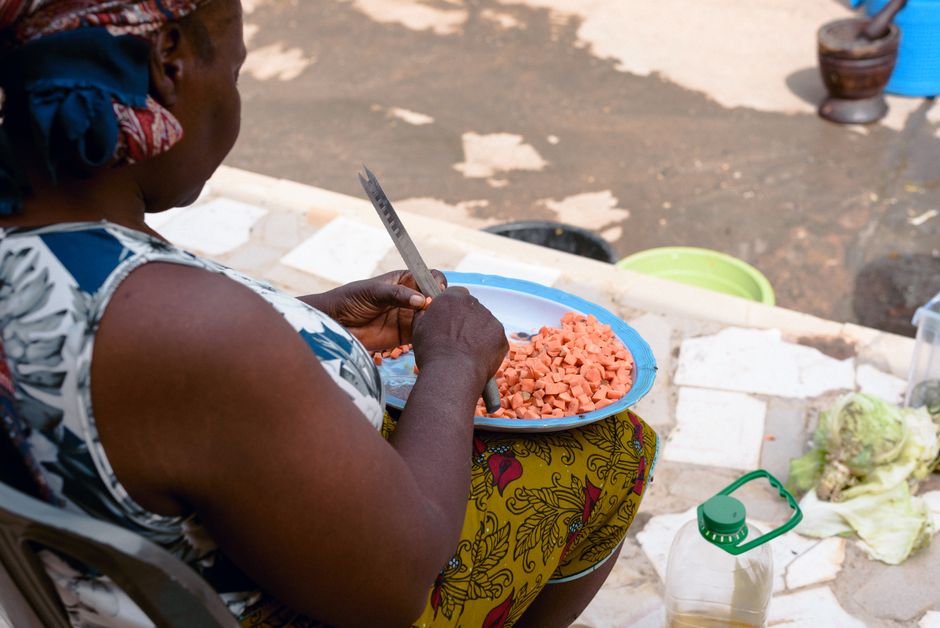
Embracing a healthy diet doesn't mean leaving behind the vibrant and diverse flavors that Nigerian cuisine offers. With careful planning and a slight twist on traditional recipes, you can enjoy savoury meals that not only satisfy your taste buds but also contribute to a healthier you. Imagine indulging in the rich taste of jollof rice or the comforting warmth of egusi soup, all while staying true to your health goals. Let's explore how you can make healthy eating an exciting part of your everyday life with Nigerian-inspired meals.
Nigeria's culinary landscape is a rich tapestry of flavors, textures, and aromas that tell a story of culture and community. While traditional dishes are often hearty and flavorful, they can also be adapted to fit a healthier lifestyle without sacrificing that beloved taste. Whether you're looking to manage weight, improve energy, or simply eat better, Nigerian-inspired healthy eating offers a delectable path to wellness. So, let's dive into practical strategies and delicious recipes that bring the best of both worlds onto your plate.
Before we jump into meal plans and recipes, it's essential to understand the foundation of healthy eating. This involves balancing macronutrients, choosing the right ingredients, and applying cooking techniques that preserve the nutritional value of food. With these principles in mind, you can transform your diet while staying connected to the flavors and traditions you love.
Understanding the Basics of Healthy Eating
To successfully incorporate healthy eating into your life, it's important to start with the basics. Healthy eating is about balance, variety, and moderation. Here's what you need to know.
Balance Your Macronutrients
A healthy diet includes a balance of carbohydrates, proteins, and fats. In Nigerian cuisine, this might mean pairing your carbohydrate sources like rice or yam with proteins such as beans or fish, and including healthy fats from sources like palm oil or avocado.
By balancing these macronutrients, you ensure that your body receives the diverse range of essential nutrients it needs to function optimally.
Choose Nutrient-Dense Ingredients
Nutrient-dense foods are those that provide a high amount of vitamins and minerals relative to their calorie content. In Nigerian diets, opt for vegetables like spinach, ugu, and okra which are rich in vitamins and minerals.
Incorporating a variety of fruits such as oranges, mangoes, and pawpaw can also enhance your diet with necessary nutrients and antioxidants.
Cooking Techniques That Retain Nutrients
Choosing the right cooking methods can significantly impact the nutrient content of your meals. Steaming, grilling, and stir-frying are excellent ways to prepare food while retaining its nutritional value.
For instance, steaming vegetables like bitterleaf instead of boiling them helps preserve water-soluble vitamins, making your meals both tasty and nutritious.
Transforming Traditional Nigerian Meals
Adapting traditional Nigerian recipes to suit a healthy lifestyle can be both rewarding and delicious. Here are some tips and examples to guide you.
Healthy Jollof Rice
- Use whole grain rice instead of white rice to increase fiber content.
- Reduce the amount of oil used and opt for healthier options like canola or olive oil.
- Include plenty of vegetables such as bell peppers, carrots, and green peas to boost vitamins and minerals.
These simple swaps not only make jollof rice healthier but also maintain its signature taste and texture.
Egusi Soup with a Healthy Twist
- Use lean cuts of meat or fish to reduce fat content.
- Incorporate more leafy greens like spinach or kale to add nutrients and fiber.
- Limit the use of palm oil, or substitute with a smaller amount of healthier oils.
This version of egusi soup is lighter yet still comforting, ensuring you can enjoy it without guilt.
"Healthy eating doesn't mean sacrificing flavor. With the right ingredients and techniques, you can enjoy delicious meals that support your wellness goals."
Meal Prepping the Nigerian Way
Meal prep is a powerful tool for maintaining a healthy diet, especially when you're busy. It's all about planning and preparing meals in advance to ensure you always have nutritious options on hand.
Planning Your Meals
Start by planning your meals for the week. Consider breakfast, lunch, dinner, and snacks, and ensure you have a balanced mix of macronutrients in each meal.
List out the ingredients you'll need for each dish, ensuring you incorporate fresh produce and lean proteins.
Batch Cooking Nigerian Staples
Batch cooking allows you to prepare staple foods like beans, rice, or yam in larger quantities to use throughout the week. This saves time and ensures you have a base for various meals.
Store these staples in portioned containers so they're easy to grab and go when needed.
Portion Control and Storage
Proper portion control ensures you're eating the right amount of food to meet your nutritional needs without overeating.
Use containers of appropriate size to help control portions, and store meals safely in the refrigerator or freezer to maintain freshness.
Incorporating Local Superfoods
Nigeria is home to many underutilized superfoods that can enhance your diet with their robust nutritional profiles. Integrating these into your meals can boost your health while supporting local agriculture.
Tigernuts: A Nutrient Powerhouse
Tigernuts are rich in fiber, vitamins, and minerals. They can be eaten raw as a snack, or incorporated into smoothies and baked goods.
The high fiber content in tigernuts aids in digestion and helps maintain a healthy weight.
Baobab Fruit: The Vitamin C King
The baobab fruit is high in vitamin C and antioxidants. Using baobab powder in smoothies, porridge, or baking can significantly boost your intake of this essential vitamin.
It's an excellent way to enhance your immune system naturally.
Moringa: The Miracle Tree
Moringa leaves are packed with protein, vitamins, and minerals. They can be added to soups, stews, or teas for a nutritious kick.
Incorporating moringa into your diet can support overall health and well-being.
Conclusion
Healthy eating doesn't have to mean abandoning the foods and flavors you love. By understanding the fundamentals of nutrition, creatively transforming traditional recipes, and incorporating local superfoods, you can craft a diet that is both delicious and nourishing.
Remember, every small step towards healthier eating is a step towards a better you. Embrace the richness of Nigerian cuisine in a way that supports your health goals and nourishes your body with the goodness it deserves.
So, go ahead and embark on your healthy eating journey, enriched with the vibrant flavors and nutrients of Nigeria's diverse culinary heritage. Your taste buds and your body will thank you.