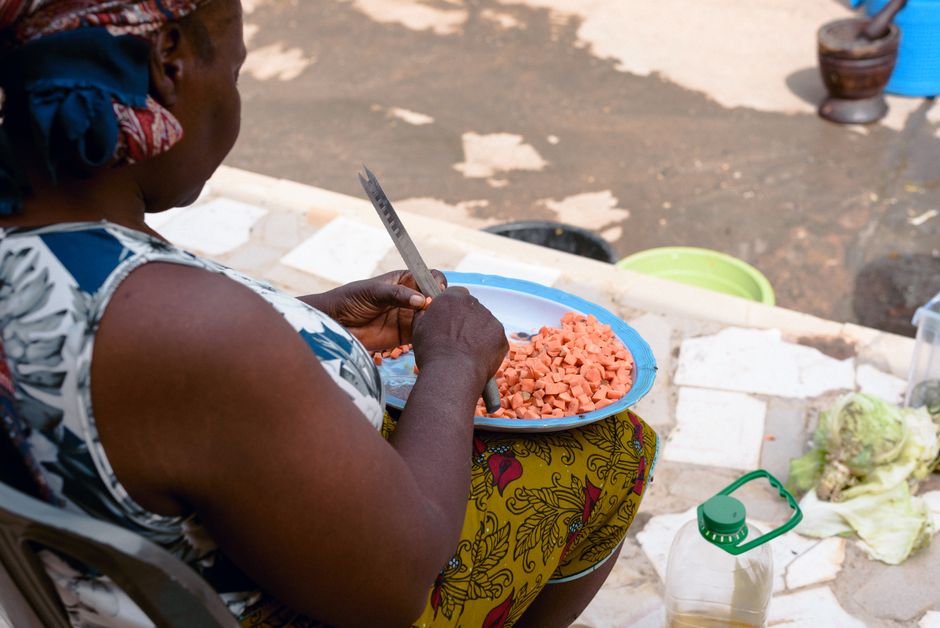
In Nigeria, the land of diverse cultures and rich culinary traditions, maintaining a healthy diet can be a flavorful journey rather than a daunting task. The Nigerian diet offers a wealth of options that can be both nutritious and delicious. But how do you navigate these choices while ensuring you're eating healthily? Whether you're enjoying jollof rice, amala, or egusi soup, there are ways to make these meals healthier and more balanced. In this guide, we'll explore practical tips for integrating healthy eating into the Nigerian diet, focusing on ingredient choices, cooking methods, and portion control. Let's embark on this journey to master healthy eating, Nigerian style.
Understanding the Nigerian Diet
The Nigerian diet is as diverse as the country's numerous ethnic groups. Staples like rice, yams, beans, plantains, and cassava dominate, often accompanied by a variety of vegetables, meats, and fish. These foods provide essential nutrients but can also be high in calories and fats if not prepared thoughtfully.
Common Nigerian Foods
- Jollof Rice: A beloved dish made with rice, tomatoes, onions, and spices.
- Egusi Soup: Made with melon seeds, leafy vegetables, and meat or fish.
- Amala: A yam-based dish often served with various soups.
- Pounded Yam: A smooth, stretchy dish often paired with rich soups.
Nutritional Challenges
While these foods are nutritious, they can sometimes be high in carbohydrates and fats. Understanding portion sizes and balancing meals with vegetables and proteins is key to maintaining a healthy diet.
"The key to a healthy Nigerian diet is balance — incorporating a variety of foods from all food groups." - Dr. Adewale, Nutritionist
Incorporating Healthy Eating Habits
Adopting healthier eating habits doesn't mean giving up your favorite Nigerian dishes. It means making smarter choices and learning how to balance your meals.
Choosing Healthier Ingredients
Opt for whole grains, like brown rice instead of white rice, and include plenty of leafy greens and fresh vegetables in your meals. Using less oil and choosing lean cuts of meat or fish can also help reduce calorie intake.
- Choose whole grains over refined grains.
- Incorporate more vegetables into traditional dishes.
- Opt for lean proteins like chicken or fish.
Cooking Methods
How you cook your food can significantly affect its nutritional value. Consider grilling, steaming, or boiling instead of frying. These methods help retain more nutrients and reduce unnecessary fat intake.
Portion Control and Mindful Eating
Portion control is crucial in preventing overeating and maintaining a healthy weight. Being mindful of your eating habits can also enhance your overall wellness.
Understanding Serving Sizes
Be aware of standard portion sizes for different food groups, and try not to exceed them. Use smaller plates to help control portions visually.
- Aim for half your plate to be vegetables.
- Limit starchy foods to a quarter of your plate.
- Ensure protein-rich foods fill the remaining quarter.
Mindful Eating Practices
Eating mindfully involves paying attention to the flavors and textures of food, eating slowly, and listening to your body's hunger cues. It can help prevent overeating and enhance the dining experience.
"Mindful eating allows you to enjoy your food more fully and avoid unnecessary calorie intake." - Chef Ayo, Culinary Expert
Overcoming Common Challenges
Sticking to healthy eating can be challenging due to busy lifestyles, accessibility issues, and cultural expectations. However, these challenges can be overcome with strategic planning and perseverance.
Busy Lifestyles
Meal prepping can save time and ensure you have healthy food options readily available. Allocate a day each week to prepare meals and snacks in advance.
Accessibility to Healthy Foods
Access to fresh fruits and vegetables can be limited, but local markets often offer affordable and fresh produce. Building relationships with local vendors can ensure a steady supply of healthy ingredients.
Conclusion
Embracing a healthier eating lifestyle within the context of the Nigerian diet involves making informed choices, incorporating a variety of foods, and practicing mindful eating. By focusing on balance and nutritional value, you can enjoy the rich flavors of Nigerian cuisine while promoting your overall health. Remember, the journey to healthier eating is a marathon, not a sprint, so take it one delicious meal at a time.