Meal prepping isn't just a trend—it's a lifestyle change that can bring numerous benefits, especially for those navigating the bustling pace of Nigerian life. Imagine opening your fridge and finding your meals neatly organized, nutritious, and ready to go. Sounds like a dream, right? This article dives deep into the art of meal prepping, focusing on practical tips tailored to the Nigerian context. Whether you're a busy professional in Lagos or a student in Abuja, mastering meal prep can transform your eating habits, save you time, and even help you stick to a healthier diet.
The primary keyword here is 'meal prep,' a concept many are familiar with but may not have fully embraced. By integrating local ingredients and flavors, meal prep can become an exciting culinary adventure. Let's explore the steps to effectively incorporate meal prep into your weekly routine.
Understanding the Basics of Meal Prep
Before diving into the kitchen, it's crucial to understand what meal prepping involves. It's all about planning and preparing meals in advance, which can range from full meals to preparing ingredients ahead of time.
Benefits of Meal Prepping
- Time-Saving: Spend less time cooking daily and more time enjoying your meals.
- Cost-Effective: Buy ingredients in bulk and reduce food wastage.
- Healthier Eating: Control portion sizes and ingredients used in your meals.
- Reduces Stress: Eliminate the daily 'what to eat' dilemma.
Essential Tools for Meal Prep
Equipping your kitchen with the right tools is vital for efficient meal prepping. Here’s what you need:
- Quality storage containers
- A reliable set of knives
- Measuring cups and spoons
- A slow cooker or instant pot
"Invest in durable storage containers; they are the backbone of meal prep success." - Nutrition Expert
Creating a Meal Prep Plan
Setting Realistic Goals
Start by deciding how many meals you want to prepare for the week. Consider your schedule and dietary needs.
Choosing Recipes
Incorporate a variety of meals that include proteins, carbohydrates, and vegetables. Think of Nigerian staples like jollof rice, efo riro, and grilled fish.
- Plan for diversity to avoid getting bored.
- Opt for recipes that share ingredients to save time and money.
Shopping and Preparing Ingredients
Smart Shopping Tips
- Write a detailed shopping list before heading to the market.
- Buy seasonal produce for freshness and cost-effectiveness.
- Visit local markets for the best deals on bulk items.
Shopping smart is half the battle won. The other half lies in how you prepare your ingredients once home.
Ingredient Preparation
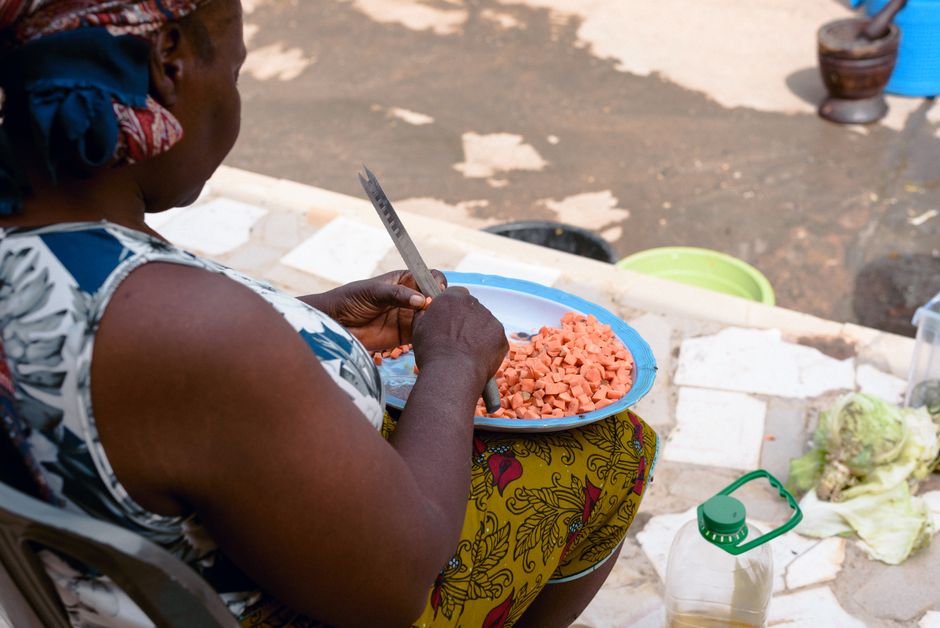
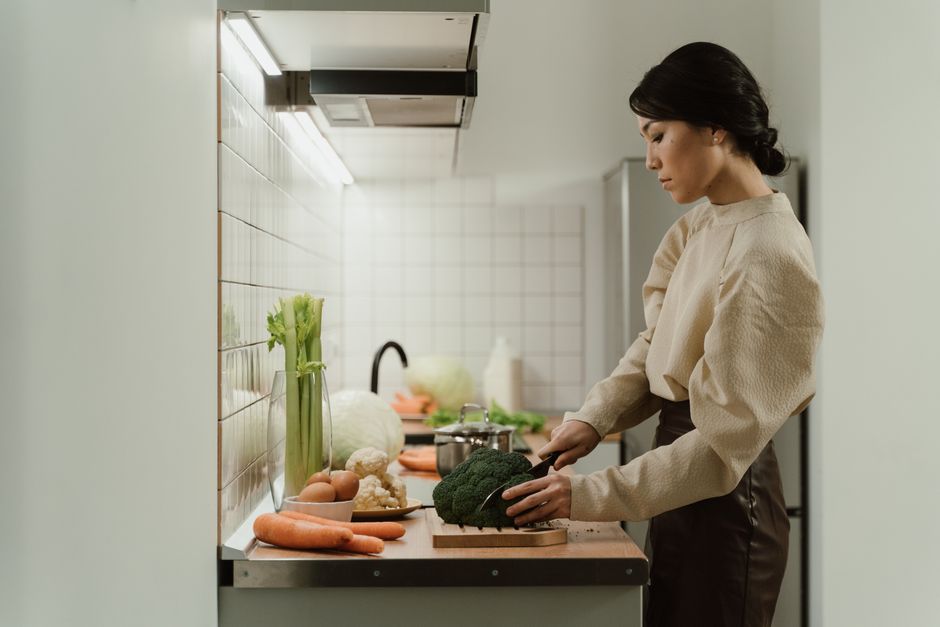
Set aside a day for washing, chopping, and storing your ingredients. This step is crucial in saving time during the week.
Cooking and Storing Your Meals
Batch Cooking Strategies
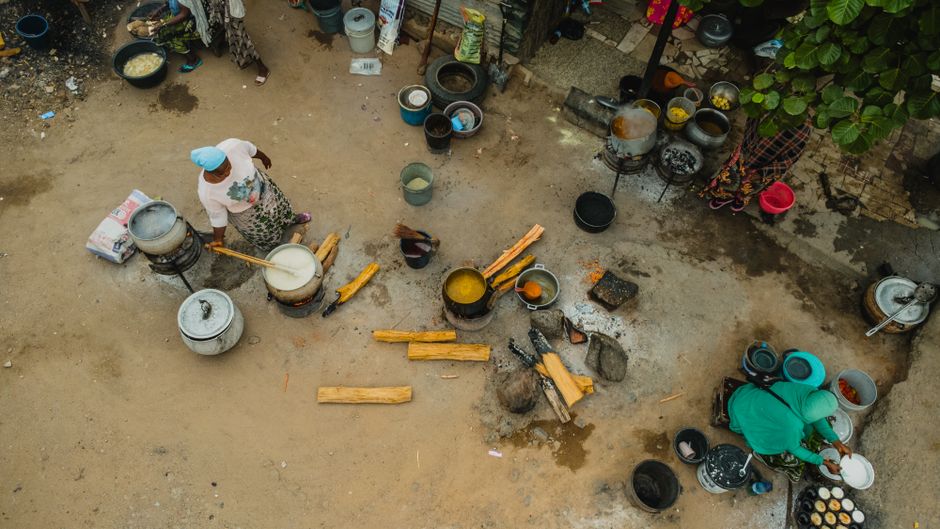
Cook in large quantities and store portions in individual containers. This method ensures you have a variety of meals ready to go.
Proper Storage Techniques
Ensure meals are cooled before storing them to prevent condensation and spoilage. Label containers with dates for easy tracking.
"Labeling your meals can help keep track of freshness and variety." - Chef Ola
Maintaining Motivation and Staying on Track
Meal prep can feel daunting, but sticking with it will show significant benefits over time.
- Regularly update your meal prep routine to keep it interesting.
- Involve family members to share the workload and encourage healthy eating habits.
- Join local or online communities for meal prep ideas and support.
Conclusion
Meal prepping is more than just a trend; it's a commitment to a healthier lifestyle and more efficient daily routine. By integrating these practical tips into your life, you can enjoy the rich flavors of Nigerian cuisine while sticking to your health goals. Remember, it's not about perfection but progress. Happy meal prepping!