Meal prepping is a game-changer for anyone looking to save time, eat healthier, and manage their diet effectively. In Nigeria, where diverse and flavorful dishes dominate the culinary scene, mastering meal prep can seem daunting but is ultimately rewarding. Whether you're a busy professional in Lagos or a student in Ibadan, understanding how to efficiently prepare your meals can transform your dietary habits and improve your overall health.
Imagine having delicious jollof rice, efo riro, and pepper soup ready to go, without the daily hustle in the kitchen. With a bit of planning, you can enjoy your favorite Nigerian meals without sacrificing taste or nutrients. This guide will walk you through everything you need to know to successfully prep meals that suit your lifestyle and satisfy your taste buds.
We'll explore step-by-step techniques, offer tips for preserving the rich flavors of Nigerian cuisine, and ensure your meals remain nutritionally balanced. Whether you're new to meal prepping or looking to refine your skills, this guide will equip you with the knowledge to make meal prep a seamless part of your weekly routine.
Understanding the Basics of Meal Prep
What is Meal Prep?
Meal prep involves preparing meals or ingredients in advance, often for the upcoming week. It saves time, reduces food waste, and helps maintain a balanced diet.
In the Nigerian context, meal prep can mean cooking large batches of stews, soups, or grains, which can then be combined with freshly prepared components throughout the week.
"Meal prep is not just about saving time; it's about making intentional choices that lead to healthier eating habits." - Nkechi Adebayo, Nutritionist
Essential Tools for Meal Prep
- Reusable Containers: Invest in high-quality containers to keep your meals fresh. Glass containers are ideal for storing and reheating.
- Spice Organizers: A well-organized spice rack helps you quickly find and use ingredients like thyme, curry powder, and suya spice.
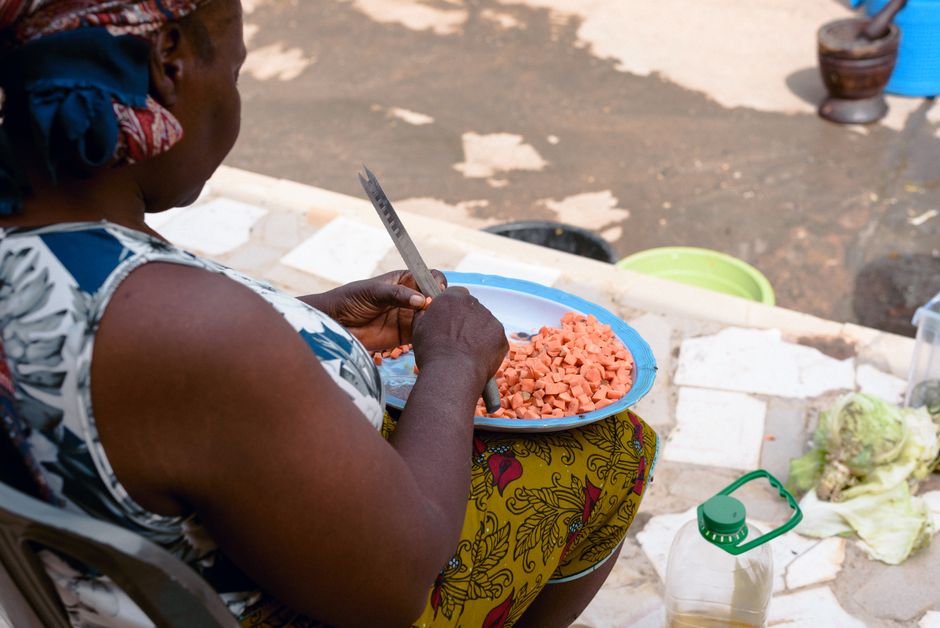
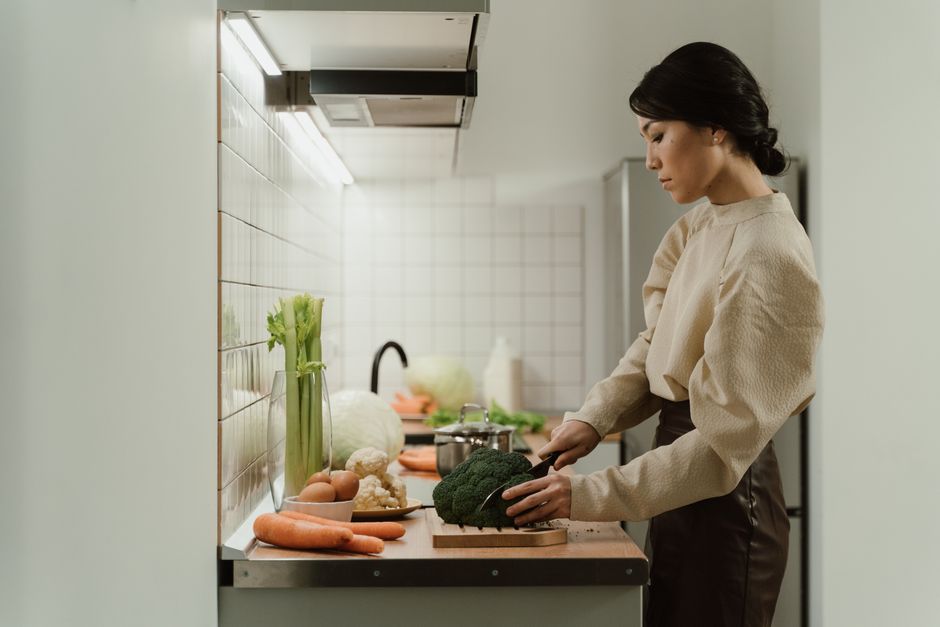
- Sharp Knives: A good set of knives is essential for efficiently chopping ingredients like vegetables, meats, and herbs.
Planning Your Nigerian Meals
Balancing Nutrition
Nigerian cuisine is known for its rich flavors and variety. Ensure your meal prep includes a balance of proteins, carbohydrates, and vegetables.
Include sources of lean protein such as chicken, fish, or beans, along with healthy carbs like brown rice or yam, and plenty of greens like ugu or spinach.
Sample Meal Prep Plan
Here’s a simple meal prep plan to get you started:
- Monday: Jollof rice with grilled chicken and steamed vegetables.
- Tuesday: Efo riro with fish and pounded yam.
- Wednesday: Moi moi with fried plantains and a side salad.
- Thursday: Pepper soup with assorted meats and brown rice.
- Friday: Okra soup with beef and amala.
Cooking and Storing Your Meals
Time-Saving Cooking Tips
Batch cooking and freezing can save you significant time during the week. Prepare large batches of soups and stews, then store them in portions.
Consider using a slow cooker or pressure cooker for dishes like beans or beef stew, which require longer cooking times.
Proper Storage Techniques
Ensure meals are adequately cooled before freezing to maintain quality. Label containers with dates to keep track of freshness.
"Proper storage not only maintains flavor and texture but also ensures the safety of your meals." - Dr. Chioma Eze, Food Safety Expert
Maintaining Variety and Flavor
Incorporating Seasonal Ingredients
Utilizing seasonal produce such as tomatoes, peppers, and leafy greens ensures your meals are fresh and flavorful.
Experiment with different protein sources or grains like millet or fonio to keep your meal plan exciting.
Spicing and Flavoring
Nigerian meals are rich in spices. Don't shy away from experimenting with different spice blends to keep your taste buds engaged.
Pre-mix your spices at the beginning of the week to streamline your cooking process.
Final Thoughts
Meal prepping is more than just a kitchen task; it's a lifestyle change that promotes health, saves money, and simplifies your daily routine. By incorporating meal prep into your weekly routine, you can enjoy all the flavors of Nigerian cuisine without the time-consuming daily cooking.
Remember, the key to successful meal prepping is planning, balance, and creativity. With these tools at your disposal, you're well on your way to mastering the art of Nigerian meal prep. So, grab your containers, fire up your stove, and get ready to transform your nutritional habits.