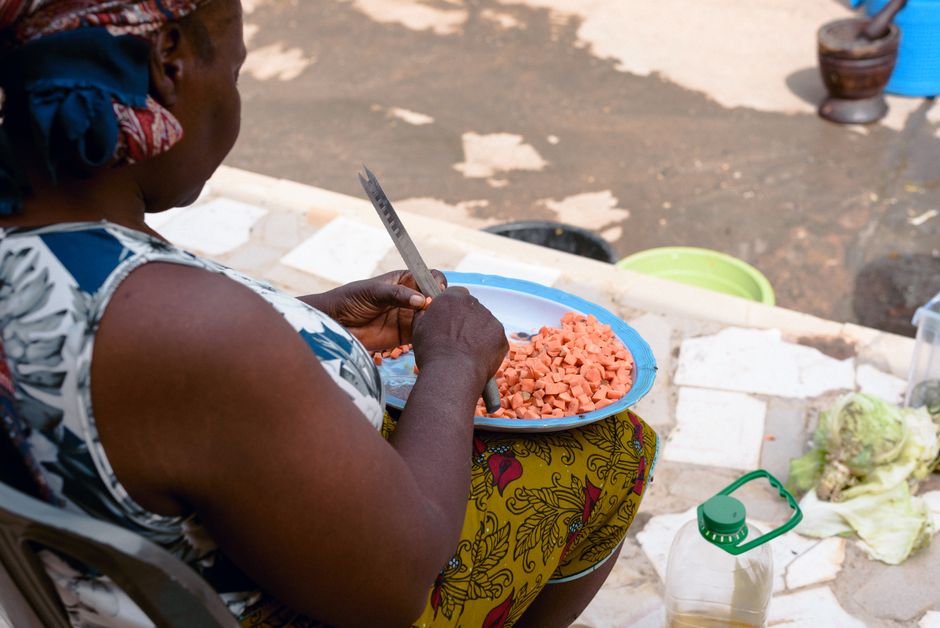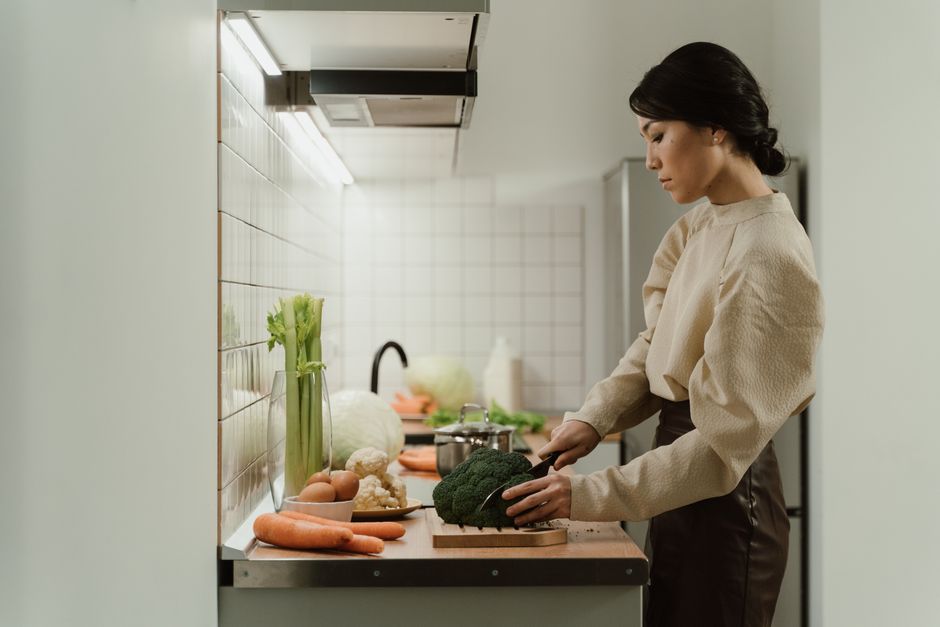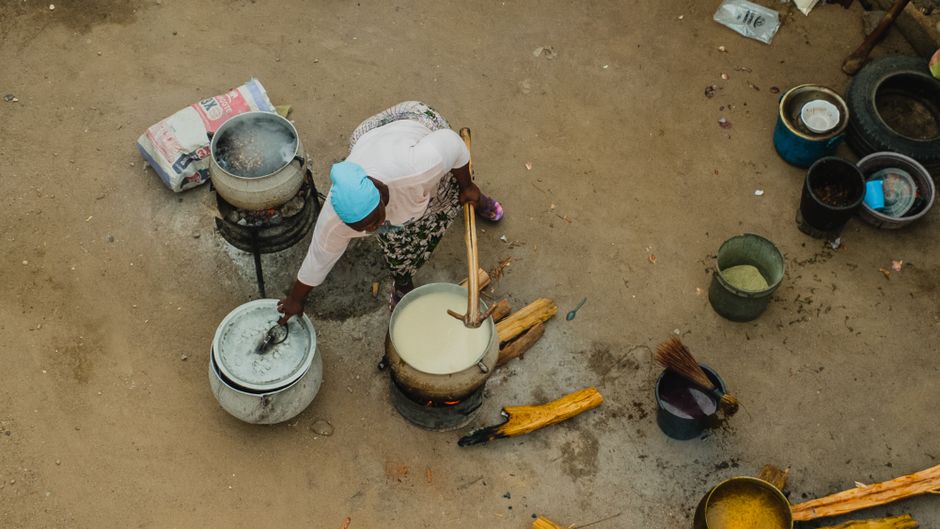
In a bustling country like Nigeria, where time often seems to slip through our fingers, meal prep can be a game-changer. Imagine coming home after a long day to a fridge stocked with delicious, healthy meals, ready to be heated and enjoyed. Not only does this save time, but it also ensures you’re eating nutritious, home-cooked meals every day. Let's delve into the art of meal prep, focusing on how Nigerian families can make the most out of local ingredients to create a sustainable and healthful eating routine.
Whether you're living in the vibrant city of Lagos or the serene surroundings of Jos, meal prep is about making your life simpler and healthier. It's about knowing what's going into your food and having control over your diet. So, let's break down meal prep into easy, actionable steps that fit seamlessly into your Nigerian lifestyle.
Understanding the Basics of Meal Prep
What is Meal Prep?
Meal prep involves preparing meals ahead of time, which can range from making full meals to prepping specific ingredients. This practice allows you to manage your diet better while saving time and reducing stress during the week.
An effective meal prep routine can save you time and money while promoting healthier eating habits.
Benefits of Meal Prep for Nigerians
- Time-Saving: Spend less time in the kitchen during the busy workweek.
- Cost-Effective: Buy ingredients in bulk and reduce food waste.
- Healthy Eating: Control portion sizes and make healthier food choices.
Essential Tools for Meal Prep
To get started with meal prep, you'll need a few essential tools:
- Storage Containers: Invest in good-quality, air-tight containers to keep your food fresh.
- Sharp Knives: A set of sharp knives is crucial for efficient chopping and slicing.
- Measuring Cups and Spoons: For accurate portion control.
Planning Your Meals
Choosing the Right Recipes
When planning your meals, choose recipes that are easy to prepare in bulk and store well. Nigerian dishes like Jollof rice, Egusi soup, and Moi Moi can be made in large quantities and refrigerated or frozen for later use.
Balancing Nutrition
Ensure your meal plan includes a balance of proteins, carbohydrates, and healthy fats. Incorporate a variety of fruits and vegetables to meet your nutritional needs.
Tip: Use seasonal and local produce to enhance the flavor and nutritional value of your meals.
Creating a Meal Prep Schedule
Draft a weekly schedule dedicating specific times for shopping, cooking, and portioning meals. Consistency is key to successful meal prep.
Executing Your Meal Prep
Efficient Grocery Shopping
Before hitting the markets, create a detailed shopping list. Stick to your list to avoid impulse buys and ensure you have all necessary ingredients.
Cooking and Storing Meals
Cook meals in bulk and portion them into containers soon after cooking. Label containers with the date to keep track of freshness.
Tips for Storing Nigerian Dishes
- Jollof Rice: Store in portions to prevent spoilage; reheats well in the microwave.
- Soups and Stews: Allow to cool before refrigerating; freeze for longer storage.
Overcoming Common Meal Prep Challenges
Time Constraints
Start small by preparing a few meals ahead. As you get more comfortable, gradually increase the number of meals you prep.
Lack of Motivation
Find inspiration by experimenting with new recipes or meal prep with a friend for accountability and fun.
Remember, meal prep is a journey. Be patient and allow yourself time to develop a routine that works for you.
Conclusion
Mastering meal prep can transform your approach to food, offering a healthier, more organized lifestyle. By incorporating these meal prep strategies into your routine, not only do you gain control over your diet, but you also create more time for the activities you love. Embrace the flavors and traditions of Nigerian cuisine while reaping the benefits of convenience and nutrition. So, grab your apron, plan your meals, and start prepping for success!