In today's fast-paced world, maintaining a healthy diet can be quite challenging, especially for Nigerians juggling multiple responsibilities. Meal prep not only saves time but also ensures that you eat nutritious meals consistently. If you've ever found yourself struggling to decide what to cook or resorting to unhealthy fast food, then mastering meal prep could be a game-changer for you.
Meal preparation is the process of planning and preparing whole or partial meals ahead of schedule. This practice helps you stay on track with your nutritional goals, reduces food waste, and can even be a fun family activity. So, if you're looking to optimize your diet while embracing the rich flavors of Nigerian cuisine, you're in the right place.
Let's dive into some practical tips and strategies to help you become a meal prep pro, enhancing your diet with delicious, balanced Nigerian meals.
Understanding the Basics of Meal Prep
What is Meal Prep?
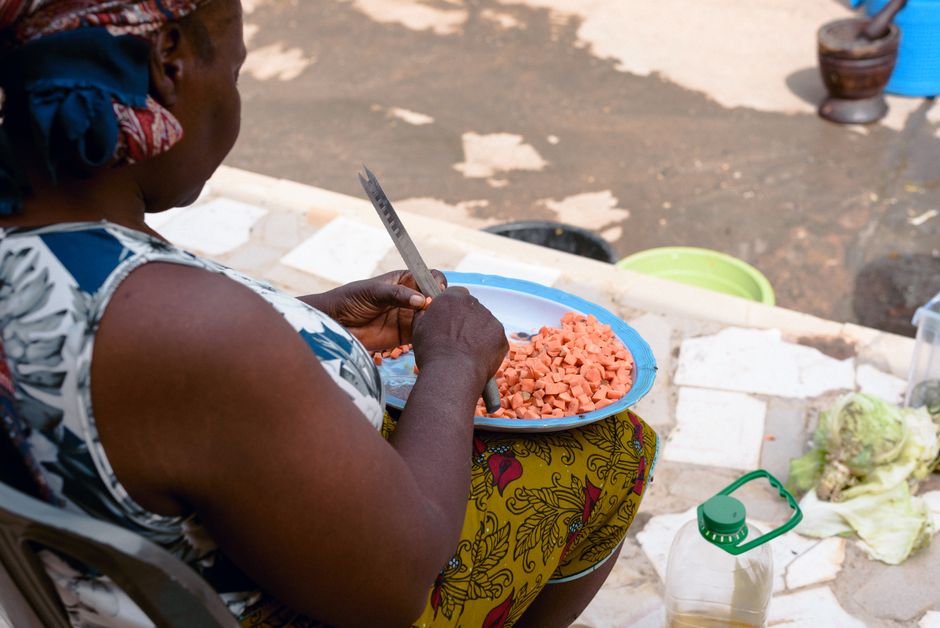
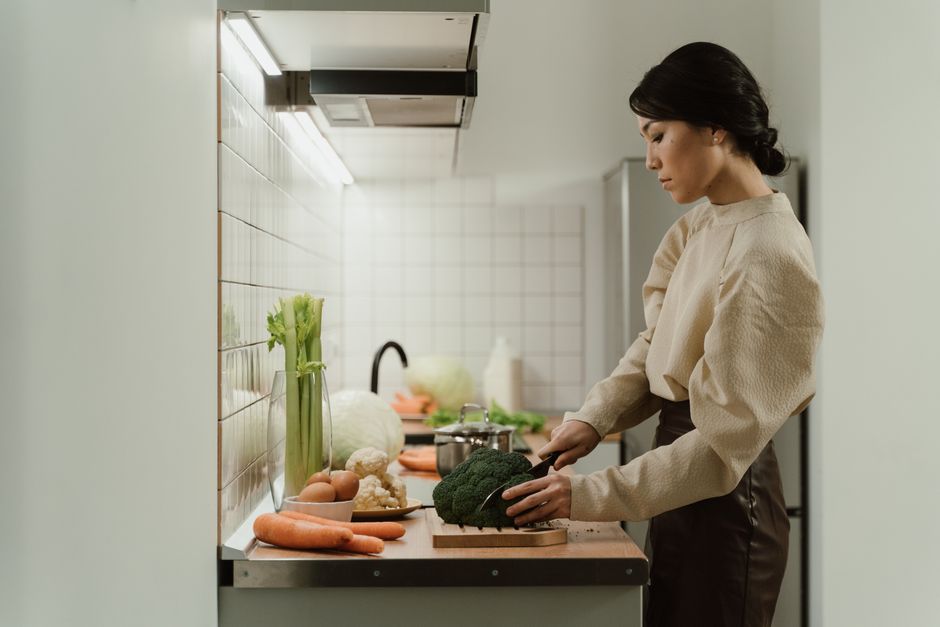
Meal prep involves preparing ingredients or complete meals ahead of time. This can range from washing and cutting vegetables to cooking large batches of meals that can be stored for later use. The goal is to make healthy eating easier and more convenient.
Benefits of Meal Prepping
Meal prepping offers numerous benefits beyond just convenience. Here are some key advantages:
- Time-Saving: By preparing meals in advance, you save the daily time spent on cooking, especially during busy weekdays.
- Cost-Effective: Buying ingredients in bulk and reducing food waste can significantly cut down on your grocery bill.
- Healthier Eating: Planning meals allows you to control portion sizes and choose healthier ingredients, aligning with your dietary goals.
- Stress Reduction: Knowing what you'll eat each day can reduce the stress of daily meal planning.
Getting Started with Meal Prep
Starting meal prep requires a bit of planning but can be broken down into manageable steps:
- Set Your Goals: Determine what you want to achieve with meal prep, whether it's saving time, eating healthier, or both.
- Create a Menu: Plan meals for the week that incorporate your dietary preferences and nutritional needs.
- Make a Shopping List: Based on your menu, compile a list of ingredients to purchase.
- Schedule Prep Time: Dedicate a specific day or time to prepare your meals.
Incorporating Nigerian Cuisine into Meal Prep
Staple Ingredients in Nigerian Cooking
Nigerian cuisine is rich and diverse, with flavors that are both satisfying and nutritious. Key ingredients include:
- Yam: A versatile tuber that can be boiled, fried, or pounded.
- Rice: Often used in dishes like Jollof rice and fried rice.
- Beans: A protein-rich staple found in dishes like moi moi and akara.
- Plantains: Sweet or savory, they can be grilled, boiled, or fried.
- Vegetables: Leafy greens like spinach and pumpkin leaves are common, as well as tomatoes and peppers.
Meal Prep Ideas for Nigerian Dishes
Here are some meal prep ideas that incorporate traditional Nigerian dishes:
- Jollof Rice Bowls: Prepare a large batch of Jollof rice and pair it with grilled chicken or fish for easy lunches.
- Egusi Soup: Cook a pot of Egusi soup and freeze portions. Serve with pounded yam or rice.
- Bean Porridge: A nutritious dish that can be made in bulk and stored for several days.
- Vegetable Stir-Fry: Use mixed vegetables and spices for a quick, healthy side dish.
Tools and Equipment for Effective Meal Prep
Essential Kitchen Tools
Having the right tools can make meal prepping more efficient. Consider investing in:
- Sharp Knives: For chopping and slicing ingredients quickly and safely.
- Cutting Boards: Multiple boards to avoid cross-contamination.
- Storage Containers: Choose containers that are microwave-safe and portion-sized.
- Slow Cooker: Ideal for soups and stews that can cook while you focus on other tasks.
Organizing Your Kitchen
A well-organized kitchen can streamline your meal prep process. Tips for organization include:
- Label Containers: Clearly mark containers with contents and dates to keep track of meals.
- Organization Systems: Arrange your pantry and fridge so frequently used items are easily accessible.
- Cleanup Routine: Clean as you go to maintain a tidy workspace.
Maintaining Nutrition in Prepped Meals
Balancing Macronutrients
Ensure your meals are nutritionally balanced by including carbohydrates, proteins, and fats in each meal. This will help sustain energy levels and support overall health.
Incorporating Seasonal Produce
Utilize seasonal produce for freshness and cost-effectiveness. Nigerian markets often have a variety of fresh seasonal fruits and vegetables that can enhance your meals.
Expert Tip: "Use herbs and spices not just for flavor but for their nutritional benefits. Spices like ginger and turmeric have anti-inflammatory properties." - Nutritionist Chidi Eze
Final Thoughts
Meal prep is not just a trend but a practical approach to maintaining a healthy lifestyle. By incorporating Nigerian dishes into your meal prep routine, you not only enjoy the richness of local flavors but also support your nutritional needs. Remember, the key to successful meal prep is consistency and creativity. Start small, build your routine, and soon you'll find yourself saving time and eating healthier without even thinking about it.
So, gather your ingredients, put on your apron, and start your meal prep journey today. Your future self will thank you!