Meal prepping has become a buzzword in the health and nutrition world, and for good reason. Imagine coming home after a long day and having all your meals ready to go. No fuss, no stress, just delicious Nigerian meals waiting for you. That's the power of meal prep! But, how do you incorporate meal prep into a traditional Nigerian diet? Let's dive into the essentials of meal prepping while keeping it all about the flavors and ingredients we love.
Whether you are trying to eat healthier, save money, or just want to avoid the daily grind of cooking, meal prepping can be the solution. It’s not just for gym buffs and busy professionals; it's for anyone who loves good, home-cooked meals without the hassle of daily cooking. With proper planning, you can enjoy your favorite Nigerian dishes anytime, without compromising on taste or nutrition.
In this article, we will explore how to meal prep effectively with a Nigerian twist. We'll look at practical steps, tips to maintain the authenticity of Nigerian cuisine, and how you can save both time and money in the process. Ready to embark on a culinary adventure that keeps your kitchen stress-free? Let's get started!
Understanding the Basics of Meal Prep
What is Meal Prep?
Meal prep, short for meal preparation, involves preparing entire meals or dishes ahead of time. It's a practical approach to ensure you have healthy meals available throughout the week, saving you time and reducing the temptation of grabbing fast food.
For a Nigerian diet, meal prep can mean cooking large batches of jollof rice, making egusi soup that lasts for days, or chopping veggies in advance for quick stews. The goal is to reduce daily cooking stress and still enjoy your favorite dishes.
The Benefits of Meal Prep
- Time-Saving: Cook once, eat several times. Meal prep allows you to avoid daily cooking, giving you more free time.
- Cost-Effective: Buying in bulk and reducing food waste can significantly cut down on your grocery bill.
- Healthier Eating: Pre-planned meals help you control portion sizes and ensure balanced nutrition.
- Reduces Stress: Eliminates the daily dilemma of 'what to cook tonight.'
“Meal prep is not just about convenience; it's a proactive approach to maintaining a healthy lifestyle.”
Steps to Effective Meal Prep
Plan Your Meals
The first step of meal prep is planning. Decide on the meals you want to prepare for the week. Consider your schedule, dietary needs, and ensure you include a variety of foods to keep your diet balanced.
Incorporate Nigerian staples like rice, plantains, yams, and beans. Don't forget proteins like chicken, fish, and legumes. Planning ensures you have balanced meals throughout the week.
Grocery Shopping
Once your meals are planned, create a shopping list. Buying in bulk can be economical, but ensure you only purchase what you will use to avoid waste. Visit local markets for fresh produce; it’s cheaper and supports local farmers.
Prepping Ingredients
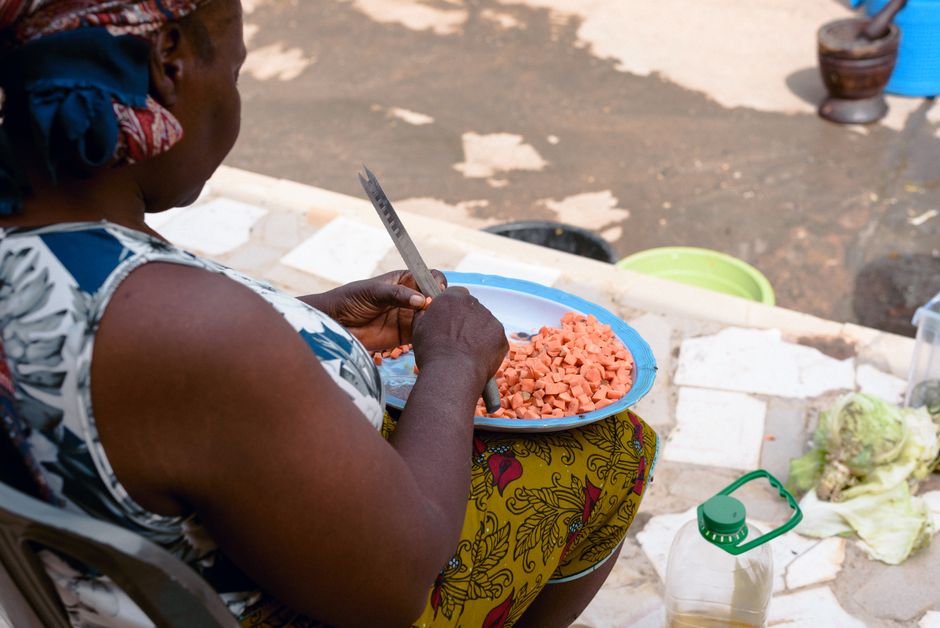
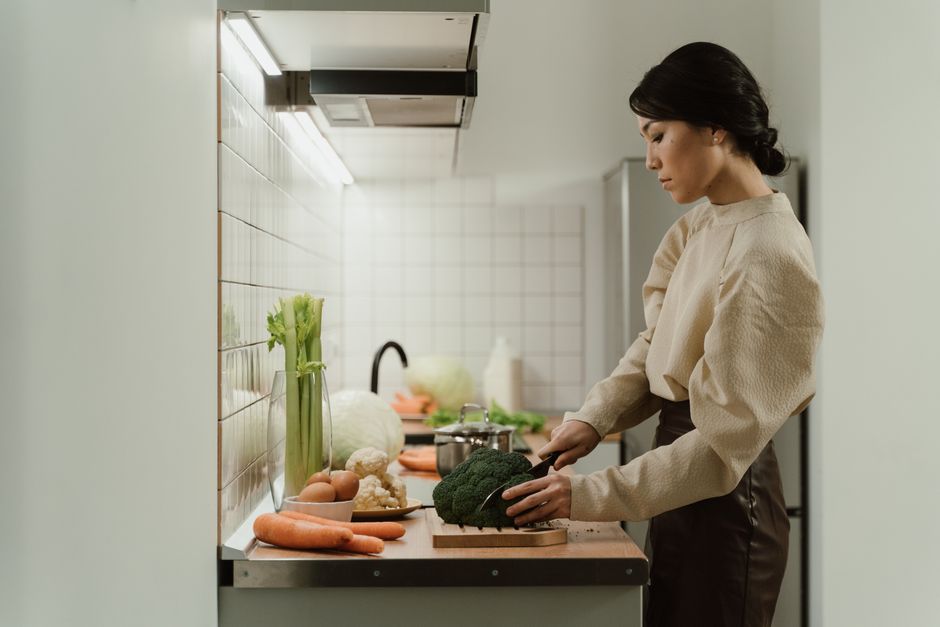
After shopping, the next step is prepping ingredients. Wash, chop, and store vegetables ready for cooking. Marinate meats and store them in the refrigerator or freezer. Preparing ingredients in advance saves time during actual cooking.
Cooking and Storing
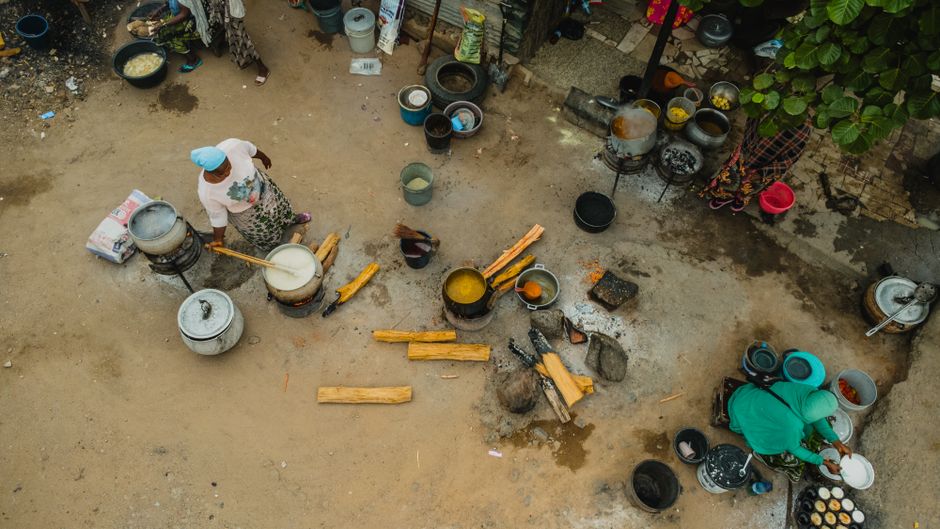
Choose a day for your main cooking session, typically Sunday. Cook in large batches and store meals in portion-sized containers. Label them with the name and date to keep track of freshness.
Reheating and Enjoying
When it's mealtime, simply reheat your portions. This step is crucial; reheating properly ensures the food remains delicious and safe to eat. Invest in good storage containers and a microwave for the best results.
Maintaining Nigerian Flavors in Meal Prep
Incorporate Traditional Spices
One of the beauties of Nigerian cuisine is its rich flavors. To keep your prepped meals authentic, use traditional spices like thyme, curry powder, crayfish, and suya spice. This ensures your meals are as flavorful as if they were freshly cooked.
Focus on Versatile Ingredients
Use versatile ingredients that can be included in multiple dishes. For example, a batch of stew could accompany rice, yams, or bread. This flexibility keeps your meals interesting and varied without extra effort.
Experiment with Recipes
Don't be afraid to try new recipes or variations of your favorite dishes. Meal prep gives you the space to experiment and find what works best for you and your family.
“Let your meal prep reflect your culinary heritage; it's all about creativity with flavors.”
Common Challenges in Meal Prep and Solutions
Getting Bored with Meals
Eating the same meals every week can become monotonous. To avoid this, rotate your menu every week. Incorporate a mix of new and traditional dishes to keep things exciting.
Storage Issues
Limited storage space can be a problem. Invest in stackable containers and utilize your freezer to store meals. Proper organization ensures you have enough room for all your prepped meals.
Maintaining Freshness
One concern with meal prep is keeping meals fresh. Use airtight containers, and be mindful of fridge and freezer storage times. This prevents spoilage and ensures every meal is just as delicious as the day you made it.
Final Thoughts
Meal prepping is a game-changer for anyone who loves the taste of home-cooked Nigerian meals but doesn't have the time to cook every day. With a little planning and creativity, you can enjoy the best of both worlds: the flavors of Nigeria and the convenience of ready-to-go meals. Start small, maybe with just one or two meals a week, and see how it transforms your daily routine. Remember, the key to successful meal prep is consistency and making it work for you and your lifestyle. So, put on your apron, get into the kitchen, and start your meal prep journey today!