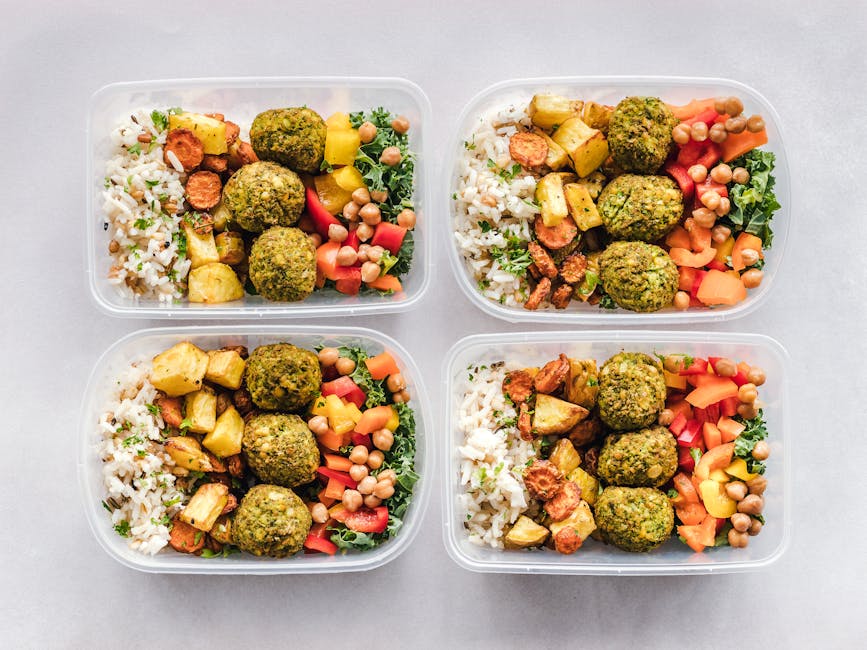
In our fast-paced world, maintaining a nutritious diet often feels like a daunting task. But what if we told you that mastering meal prep could revolutionize your eating habits? Particularly in Nigeria, where diverse and delicious food options abound, having a structured approach can significantly enhance your dietary routine. Whether you're a busy professional in Lagos or a student in Abuja, this guide will help you streamline your meal plans, save time, and maintain a healthy lifestyle effortlessly.
The beauty of meal prep lies in its simplicity and efficiency. By dedicating a few hours each week to prepare meals in advance, you can free up precious time during weekdays and resist the temptation of fast food. Let's explore how you can integrate meal prep into your Nigerian diet to optimize both your health and your schedule.
The Basics of Meal Prep
Meal prep involves preparing meals or meal components in advance, making it easier to stick to a healthy eating plan. It's about making smart choices ahead of time, so you can enjoy nutritious meals even on the busiest days.
Understanding Your Nutritional Needs
Before you start meal prepping, it's crucial to understand your nutritional needs. Consider factors like age, gender, activity level, and health goals. This understanding will guide you in choosing the right ingredients and portion sizes.
"The key to successful meal prep is planning. Understand what your body needs, and tailor your meals to meet those requirements." - Nutrition Expert
Setting a Meal Prep Schedule
Choose a day that works best for you, often weekends, to dedicate to meal prep. Allocate a few hours to cook, portion, and store your meals. Consistency is key, so stick to your schedule as much as possible.
Essential Meal Prep Tools
Having the right tools can make meal prep a breeze. Here's what you'll need:
- Storage Containers: Invest in a variety of sizes to accommodate different meals.
- Measuring Cups: For accurate portion sizes.
- Chopping Board and Knives: Essential for preparing ingredients efficiently.
- Blender: Great for making smoothies and soups.
These tools will streamline your meal prep process, ensuring that you can prepare meals quickly and effectively.
Choosing Nigerian Ingredients for Meal Prep
Nigerian cuisine is rich and varied, offering a plethora of healthy options. Here are some staples to consider:
Grains and Starches
Rice, yams, and plantains are common in Nigerian meals. Opt for brown rice or unrefined plantains for added nutrients.
Proteins
Beans, chicken, fish, and beef are excellent protein sources. Cook them in bulk for easy inclusion in various dishes.
Vegetables
Incorporate vegetables like spinach, okra, and tomatoes. These can be used in stews or as side dishes.
Spices and Seasonings
Use spices like curry, thyme, and ginger to enhance flavor without adding excessive salt or fat.
Creating Balanced Meal Prep Plans
Balance is crucial in any diet, and meal prep is no exception. Here’s how to create balanced meals:
Portion Control
Ensure each meal contains a balanced mix of carbohydrates, proteins, and fats. Use the measuring cups to maintain portion sizes.
Diverse Meal Options
Rotate different recipes to avoid monotony. This keeps meal times exciting and ensures a broad intake of nutrients.
Storing and Reheating Your Meals
Proper storage is essential to keep your meals fresh and safe to eat. Here’s how:
- Refrigerating: Store meals that you'll eat within 3-4 days in the fridge.
- Freezing: For longer storage, freeze meals. Remember to label containers with dates.
When it’s time to eat, reheat meals gently to preserve flavor and nutrients.
Final Thoughts
Meal prepping is a powerful tool for anyone looking to maintain a healthy diet without constant stress. By incorporating Nigerian ingredients and flavors, you can enjoy delicious, nutritious meals every day. Remember, the goal is not perfection but consistency. Start small, stay committed, and watch as your health and lifestyle transform.