In today’s fast-paced world, finding time to cook nutritious meals can be a challenge, especially for Nigerians balancing busy schedules and family commitments. But what if there was a way to enjoy healthy, home-cooked meals without the daily stress of cooking? Enter meal prep — a game changer for anyone looking to eat better and save time. In this guide, we’ll explore practical strategies tailored for the Nigerian lifestyle, ensuring you can enjoy delicious meals every day of the week.
Whether you’re a working professional, a busy parent, or just someone looking to make more mindful eating choices, meal prep can make a significant difference. By planning and preparing your meals in advance, you can ensure you’re eating balanced, nutritious foods without the hustle. And here's a secret: meal prep is not just about saving time — it's about transforming your relationship with food and empowering you to take control of your diet.
Let's dive into a comprehensive guide on how to master meal prep, keeping in mind the unique ingredients, cultural tastes, and food availability in Nigeria. Ready to become a meal prep pro? Let's go!
Why Meal Prep is Essential for Nigerians
Health Benefits of Meal Prep
Meal prepping allows you to control what goes into your meals, ensuring you consume foods that are good for your health. This is especially important in Nigeria, where diets can sometimes be high in carbohydrates and oils.
"Meal prep is a wonderful way to ensure you’re eating a balanced diet while managing your time efficiently," says Dr. Adeyemi, a nutrition expert based in Lagos.
Economic Advantages
By planning your meals, you avoid the impulse buys that often happen when you’re hungry. Shopping in bulk and cooking in advance can save money, which is a great bonus for anyone living in bustling cities like Lagos or Abuja.
Getting Started with Meal Prep
Planning Your Meals
Begin by deciding on the meals you want for the week. Consider the traditional Nigerian dishes you love, like Jollof rice or Egusi soup, and think about how you can incorporate more vegetables and lean proteins.
- Start with a few easy recipes.
- Make a detailed shopping list to avoid last-minute store runs.
- Consider the availability of ingredients in your local market.
Preparing Your Ingredients
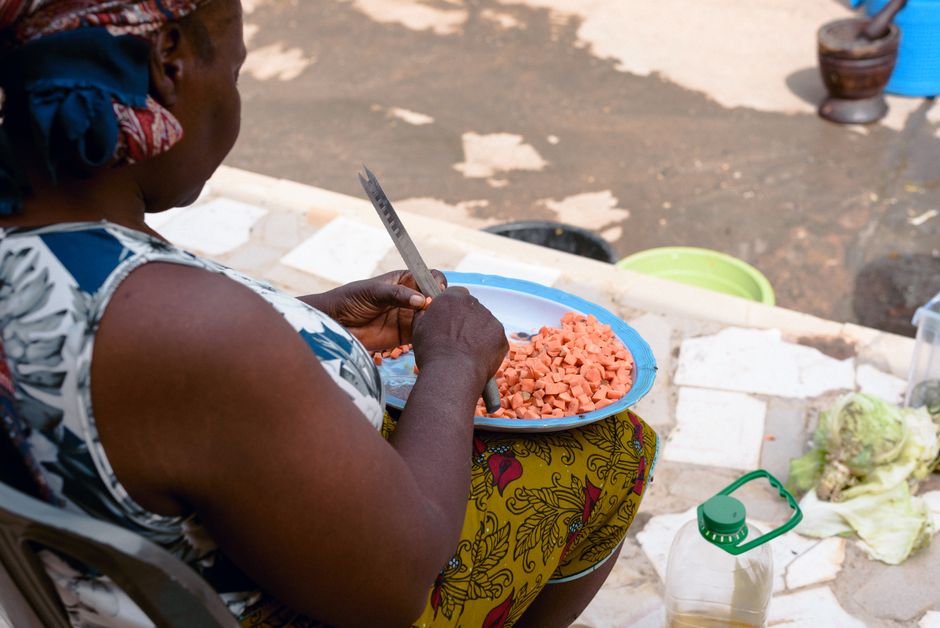
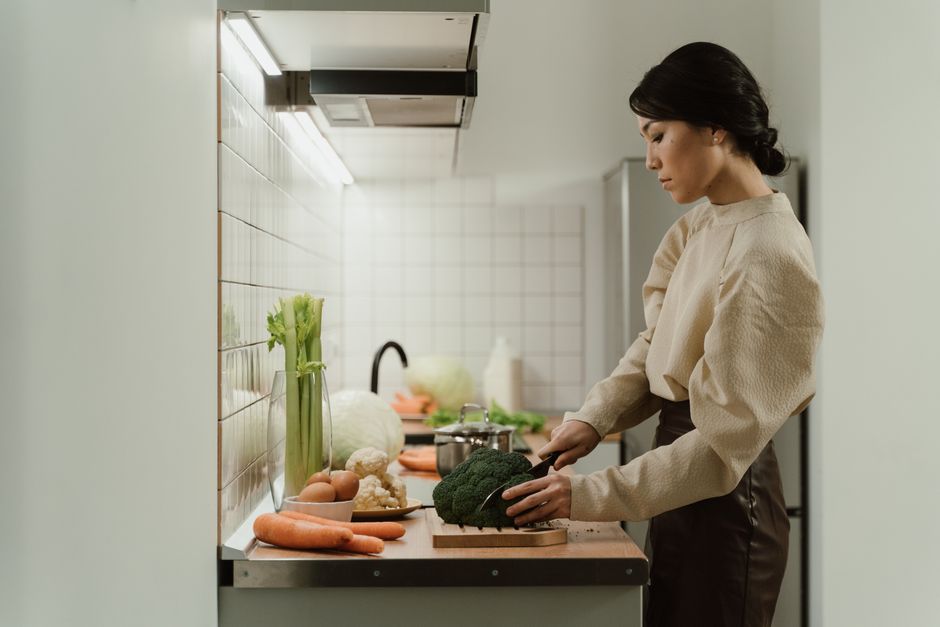
Once you have your meals planned out, the next step is to prepare your ingredients. This could mean washing and chopping vegetables, marinating proteins, or pre-cooking staples like rice and beans.
"Batch cooking some components of your meal can save you a lot of time during the week," suggests Funmi, a busy mother of three who swears by meal prep.
Meal Prep Tips for Nigerian Cuisine
Incorporating Traditional Foods
Don’t shy away from incorporating local Nigerian foods. Moi Moi, Plantains, and Yam can be prepped and stored efficiently, providing a comforting taste of home with every meal.
Storage and Preservation
The key to successful meal prep is proper storage. Invest in a good set of containers and ensure your fridge is set to the right temperature to keep your food fresh.
- Use airtight containers to prevent spoilage.
- Label your meals with dates to keep track of freshness.
- Utilize the freezer for items like soups and stews.
Overcoming Common Meal Prep Challenges
Dealing with Limited Time
If you find it hard to dedicate a large chunk of time to meal prep, consider breaking it into smaller, more manageable tasks. Even 30 minutes a day can make a big difference.
Maintaining Variety
One common complaint about meal prep is boredom from eating the same meals. Mix things up by trying new recipes or adding different spices and flavors to traditional dishes.
"Spice up your meals with local herbs and spices like curry, thyme, and ginger — it keeps things exciting!" recommends Chef Ayo, a culinary instructor in Abuja.
Final Thoughts
Meal prep is not just a trend but a lifestyle choice that offers numerous benefits, from saving time and money to improving your diet and health. By embracing meal prep, Nigerians can enjoy the richness of their traditional cuisine while maintaining a balanced and nutritious diet. Remember, the key is to start small and gradually build up your skills and confidence. Happy prepping!