Imagine coming home after a long day of work or school, stomach grumbling, and the prospect of cooking a meal from scratch feels daunting. For many Nigerians, this scenario is all too familiar. But what if you could enjoy delicious, home-cooked meals every day without spending hours in the kitchen? Enter meal prep—a lifesaver for busy individuals and families looking to eat healthily and save time.
Meal prep is the art of planning and preparing meals in advance, allowing you to have nutritious options readily available throughout the week. Whether you're a working professional in Lagos or a student in Abuja, mastering meal prep can revolutionize your daily routine and help you maintain a balanced diet. In this guide, we'll explore practical meal prep strategies tailored to the Nigerian lifestyle, ensuring you stay nourished and satisfied without the stress.
Why Meal Prep is Essential for Nigerians
Time-Saving Benefits
In bustling cities like Lagos and Abuja, time is a precious commodity. Commuting, work, and social commitments often leave little room for daily cooking. Meal prepping allows you to batch-cook meals for the week, freeing up valuable time on busy days.
By dedicating a few hours over the weekend to meal prep, you can eliminate the daily decision-making around food and reduce cooking time significantly. Imagine having a delicious pot of jollof rice or a healthy vegetable stir-fry ready to go in minutes!
Health Advantages
Meal prep isn't just about convenience; it's also about making healthier food choices. When meals are pre-prepared, you're less likely to opt for fast food or unhealthy snacks. This can lead to improved nutrition and weight management over time.
"Meal prep empowers you to control your ingredients, ensuring every meal is balanced, nutritious, and tailored to your dietary needs."
For instance, pre-cooked beans can be a base for various dishes, providing a rich source of protein and fiber without the hassle of daily cooking.
Steps to Start Meal Prepping
Plan Your Meals
Start by deciding which meals you'll prep for the week. Consider your schedule and dietary preferences. For Nigerians, staples like rice, beans, and stews are versatile and easy to prepare in bulk.
- Make a list of your favorite dishes, considering breakfast, lunch, and dinner options.
- Include a variety of proteins, grains, and vegetables to ensure balanced nutrition.
- Factor in any special dietary needs, such as gluten-free or vegetarian options.
Create a Shopping List
Once you have your meal plan, create a shopping list to ensure you have all necessary ingredients. Shopping with a list helps avoid impulse purchases and ensures you have everything needed for successful meal prep.
Designate a Prep Day
Choose a day of the week, like Saturday or Sunday, to dedicate a few hours to meal prep. This could involve cooking rice, chopping vegetables, and marinating meats.
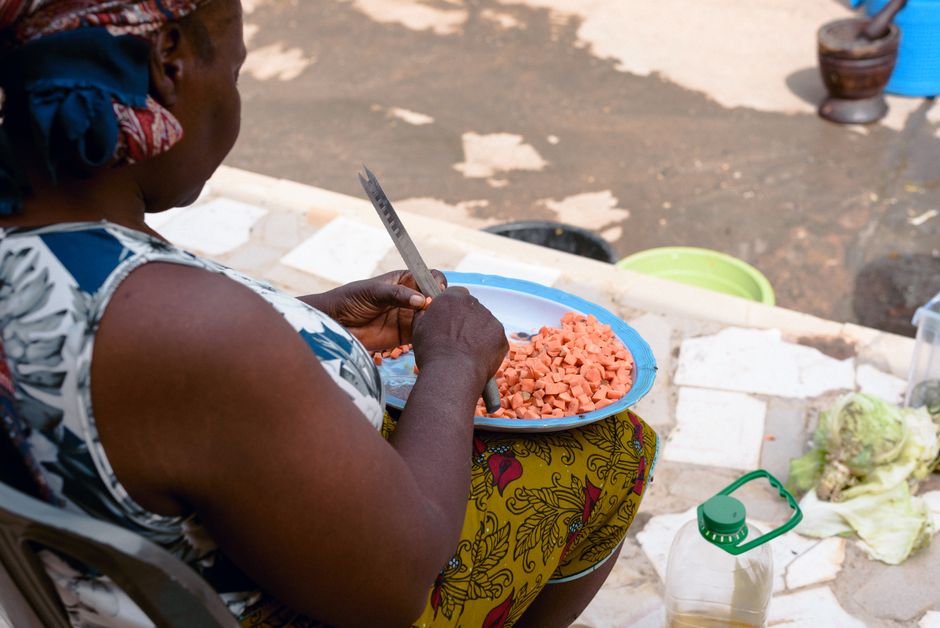
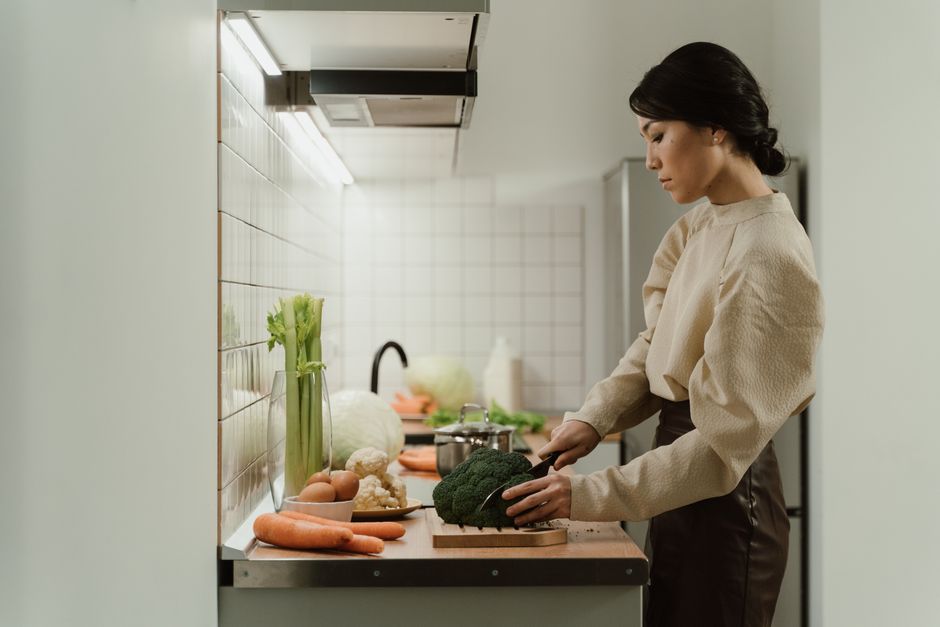
- Wash and cut vegetables in advance for quick use in salads and cooked dishes.
- Cook grains like rice or quinoa in large batches for easy meal additions.
- Prepare proteins, such as grilling chicken or boiling eggs, for ready-to-eat options.
Storage and Organization Tips
Proper Storage Techniques
Invest in quality containers to store your prepped meals. Airtight containers keep food fresh and prevent spills in the fridge or freezer.
- Use clear containers to easily identify contents at a glance.
- Label containers with the date and meal type to monitor freshness.
- Portion meals into individual servings for grab-and-go convenience.
Utilizing Freezer Space
The freezer is your best friend when it comes to meal prep. Many Nigerian dishes, like soups and stews, freeze well and can be reheated quickly.
"Freezing meals extends their shelf life, allowing you to enjoy a variety of dishes throughout the month without cooking daily."
Incorporating Nigerian Flavors
Traditional Meals with a Twist
Meal prepping doesn't mean giving up on traditional Nigerian flavors. In fact, it's an opportunity to experiment with your favorite dishes and add a modern twist.
- Prepare a large batch of egusi soup and pair it with different sides, like pounded yam or rice.
- Try a healthy version of moi moi using less oil and more vegetables.
- Bake plantains instead of frying for a healthier snack or side dish.
Infuse with Local Ingredients
Incorporate local produce and spices to enhance your meals. Ingredients like crayfish, locust beans, and pepper can add depth and authenticity to your dishes.
Common Meal Prep Mistakes to Avoid
Overcomplicating Your Plan
While variety is important, avoid overwhelming yourself with too many different meals. Start simple, focusing on two or three dishes per week that can be mixed and matched.
Ignoring Portion Sizes
Be mindful of portion sizes to prevent overeating or food waste. Use measuring cups or a food scale to portion meals appropriately.
Conclusion
Meal prepping is more than just a trend; it's a sustainable lifestyle change that can greatly benefit Nigerians juggling busy schedules. By planning, preparing, and storing meals efficiently, you can enjoy the convenience of home-cooked meals without compromising on taste or nutrition. Embrace meal prep today, and you'll find yourself with more time, less stress, and a healthier diet—a win-win for any Nigerian household.