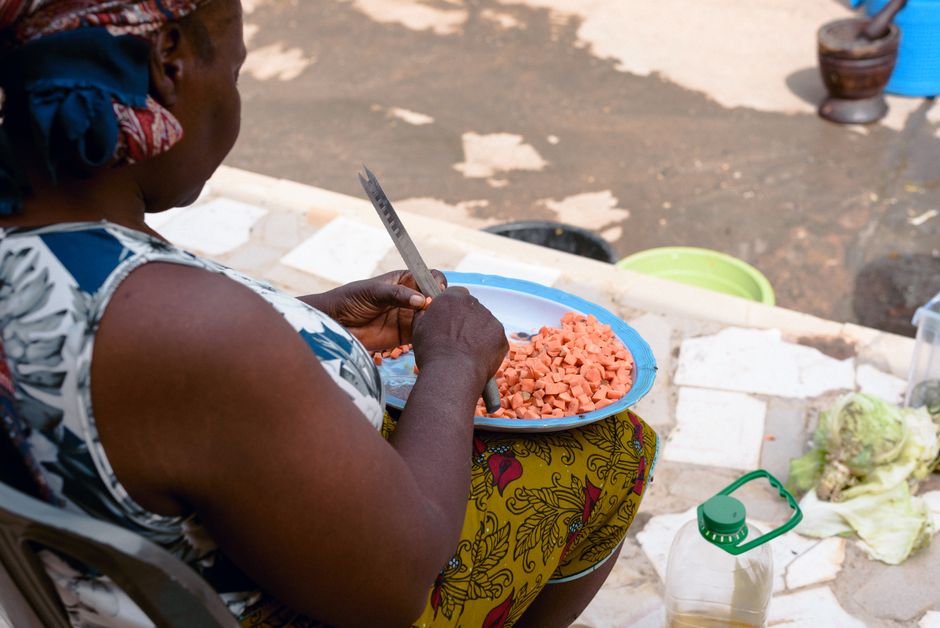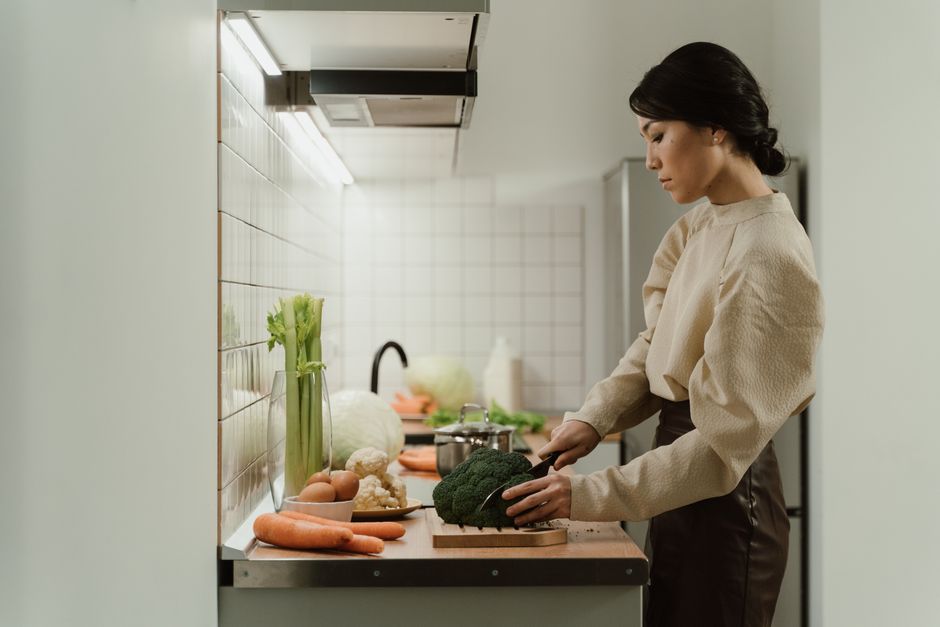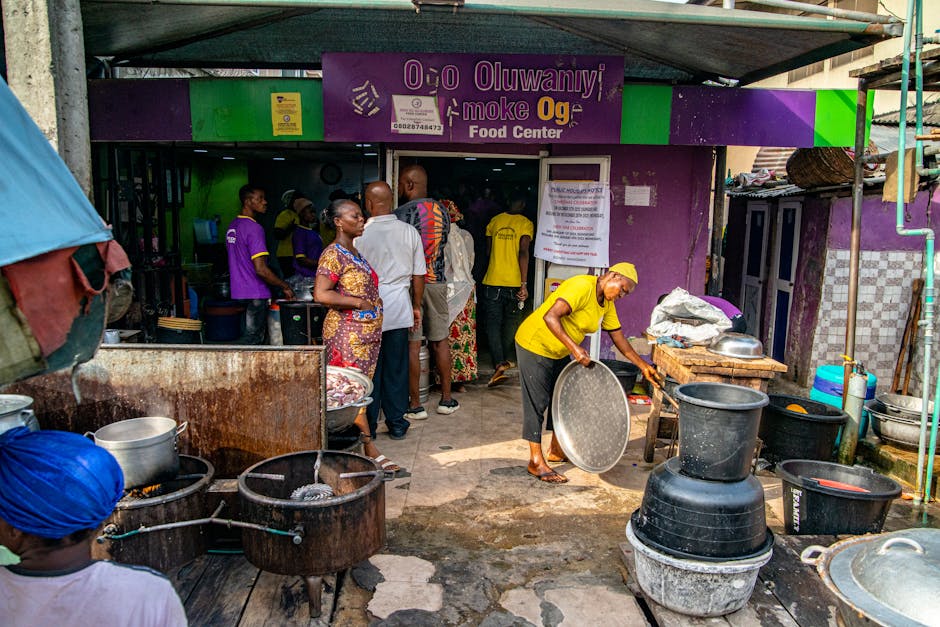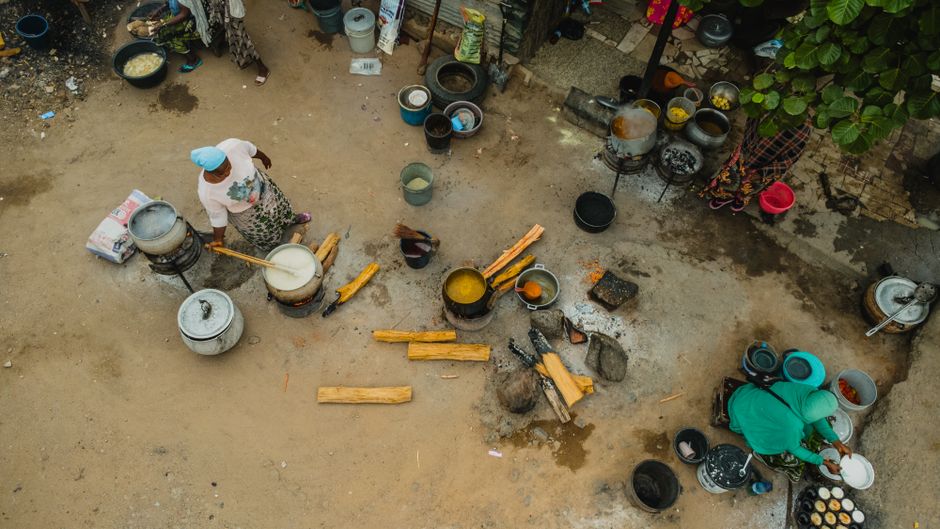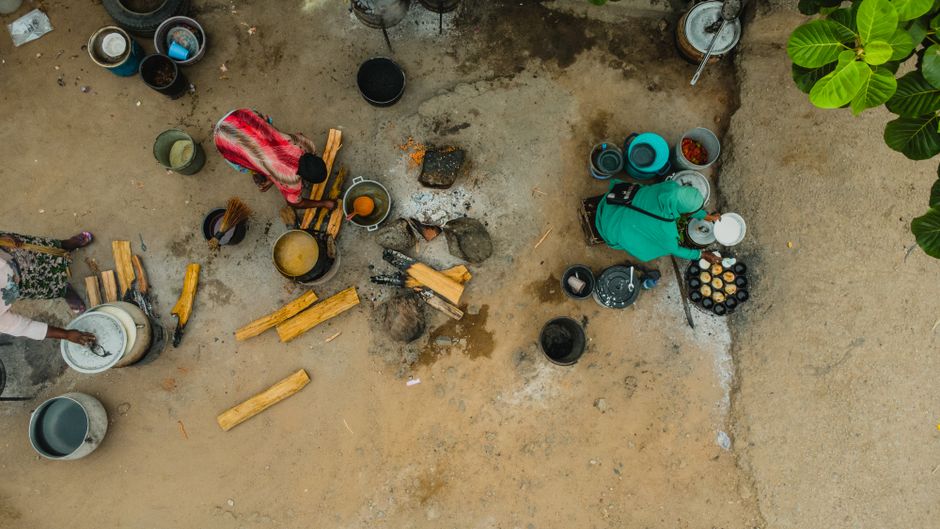
In the hustle and bustle of Nigerian life, many of us find ourselves struggling to maintain a healthy diet. Between work, family commitments, and social activities, cooking balanced meals each day can seem overwhelming. But what if there was a way to simplify your cooking routine without sacrificing the delicious flavors of Nigerian cuisine? Enter meal prep, a fantastic strategy that not only saves time and money but also ensures you always have nutritious meals at your fingertips.
Meal prep isn't just a trend; it's a lifestyle change that can revolutionize your relationship with food. Imagine having a week's worth of mouth-watering Jollof rice, spicy soups, and fresh salads ready to go, without the daily grind of cooking from scratch. Whether you're new to the concept or a seasoned pro looking for fresh ideas, this guide offers practical tips to make meal prep work for you in a Nigerian context.
Understanding Meal Prep
Meal prep is the practice of planning and preparing your meals in advance. It involves setting aside a specific time, often on weekends, to cook and portion meals for the coming days. This approach not only aids in maintaining a balanced diet but also helps control portions and minimize food waste.
Benefits of Meal Prep
- Time-saving: Cooking in bulk means you spend less time in the kitchen during the week.
- Cost-effective: Buying ingredients in larger quantities often leads to savings.
- Healthier choices: Pre-planning meals helps avoid unhealthy last-minute food choices.
- Less stress: Knowing what you’ll eat each day removes the daily decision-making fatigue.
Common Misconceptions
Many people believe meal prep means eating the same dish every day. However, variety is key, especially in Nigerian cuisine, where flavors and spices are abundant. By using different recipes and rotating your menu, meal prep can be exciting and diverse.
Getting Started with Meal Prep
Starting a meal prep routine can be simple if you break it down into manageable steps. Here's how you can get started:
Plan Your Meals
Begin by selecting the meals you want to prepare for the week. Consider the nutritional needs of your household and incorporate a mix of proteins, carbohydrates, and vegetables. For instance, you could plan to make dishes like Egusi soup, beans and plantain, and grilled chicken with vegetables.
"Planning is key to successful meal prep. Make a list of your favorite Nigerian dishes and rotate them weekly."
Make a Shopping List
Once you’ve planned your meals, create a shopping list to ensure you have all the ingredients on hand. Shopping with a list helps you stay focused and cut down on impulse buys.
Set Aside Time
Choose a day when you have a few hours to dedicate to meal prep. For many, Sunday afternoons are perfect for cooking and organizing the week ahead.
Nigerian Meal Prep Ideas
Let's delve into some specific meal prep ideas that work well with Nigerian cuisine:
Jollof Rice and Protein
Jollof rice is a staple that can be made in large quantities. Pair it with grilled chicken, fish, or beef skewers, and you have a wholesome meal ready to go.
Soups and Stews
Nigerian soups such as Egusi or Efo Riro can be cooked in bulk and stored in individual containers. Serve these with pounded yam or rice for a complete meal.
Snacks and Sides
Boil or grill a batch of plantains or sweet potatoes and store them for easy side options. Additionally, making a large batch of Akara can provide quick and nutritious snacks.
Storage Tips and Best Practices
Proper storage is crucial to ensure your prepped meals remain fresh and tasty:
Invest in Quality Containers
Use airtight containers that are BPA-free and microwave-safe. These will help keep your meals fresh longer and make reheating easy.
Label and Date Your Meals
Always label your containers with the date to keep track of freshness. Most cooked meals can last 3-5 days in the fridge.
Freezing for Longevity
If you prep in larger batches, consider freezing some meals to extend their shelf life. Meals like soups and stews freeze particularly well.
Conclusion
Meal prep is a game-changer, especially for those navigating busy schedules or aiming to improve their diet. By planning your meals, you can enjoy the rich flavors of Nigerian cuisine without the daily hassle of cooking. It's about making healthier choices more convenient and accessible. So grab your cooking pots, set aside some time this weekend, and give meal prep a try. Your future self will thank you!