In the bustling streets of Lagos or the serene villages of the Nigerian countryside, food is more than sustenance; it's a celebration of culture, tradition, and family. Yet, amidst our busy schedules, finding time to prepare these beloved Nigerian dishes can be a challenge. This is where meal prep steps in, offering a practical solution to savor the rich flavors of Nigeria while managing our time more effectively. Whether you're a working parent, a student, or someone simply looking to streamline their culinary routine, mastering meal prep with a Nigerian twist is a skill worth acquiring.
Meal prep isn't just about saving time; it's about maintaining a healthy, balanced diet. With the abundance of ingredients found in Nigerian cuisine, from leafy greens to protein-rich beans, there's no limit to how nutritious your meals can be. Let's dive into the art of meal prepping Nigerian dishes and explore how this practice can transform your week.
Why Meal Prep Matters
Time-Saving Benefits
Meal prep, at its core, is a strategy to save time during the busy workweek. By dedicating a few hours on the weekend or a chosen day, you can prepare meals for days ahead, minimizing the daily cooking hustle.
- Efficiency: Spend less time cooking daily and more time enjoying your meals.
- Less Stress: Avoid the last-minute rush of deciding 'what to cook.'
Health and Nutrition
Meal prepping encourages healthier eating habits by allowing you to control what goes into each dish, avoiding the temptation of fast food.
- Portion Control: Ensure your meals are balanced and nutritious.
- Ingredient Quality: Use fresh, quality ingredients typical of Nigerian markets.
Key Ingredients for Nigerian Meal Prep
Staple Ingredients
Nigerian cuisine is diverse, but certain staples form the backbone of many dishes. These ingredients are essential to have on hand for any meal prep session.
- Rice: A versatile base for jollof or fried rice.
- Beans: Rich in protein, perfect for moi moi or akara.
- Yam: Ideal for boiling, frying, or as a pounded yam base.
Flavor Enhancers
Spices and seasonings are vital in Nigerian cooking, turning simple ingredients into flavorful dishes.
- Stock Cubes: Adds depth to soups and stews.
- Scotch Bonnet Peppers: Infuses dishes with heat and flavor.
- Palm Oil: A distinctive flavor found in soups like egusi.
Step-by-Step Nigerian Meal Prep Guide
Planning Your Menu
Before you start cooking, plan your meals for the week. Consider nutritional balance, variety, and ingredients that can be prepared in bulk.
- Select Dishes: Choose 3-5 dishes that can share common ingredients.
- List Ingredients: Write down everything you'll need to avoid multiple market trips.
Preparing Ingredients
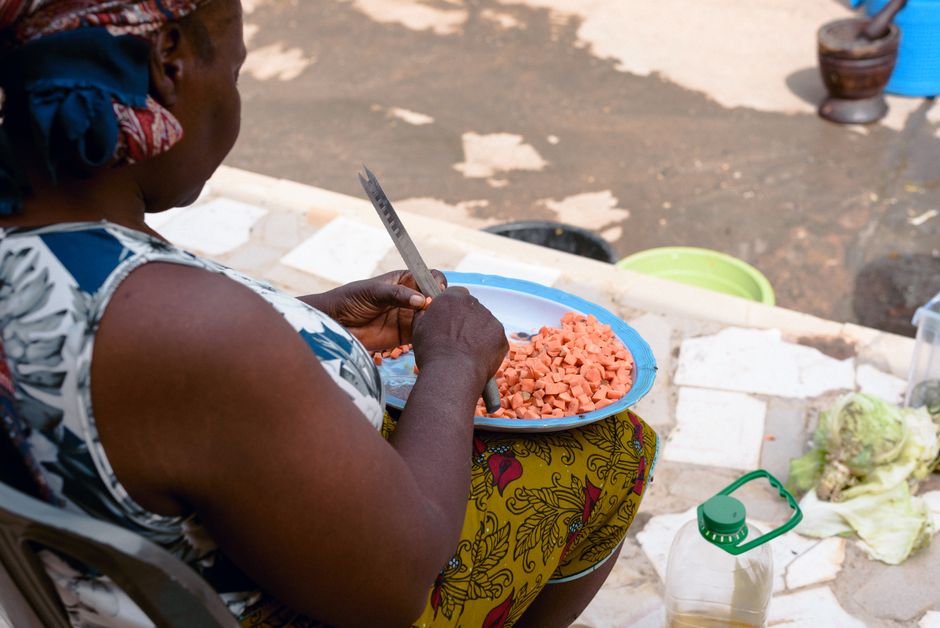
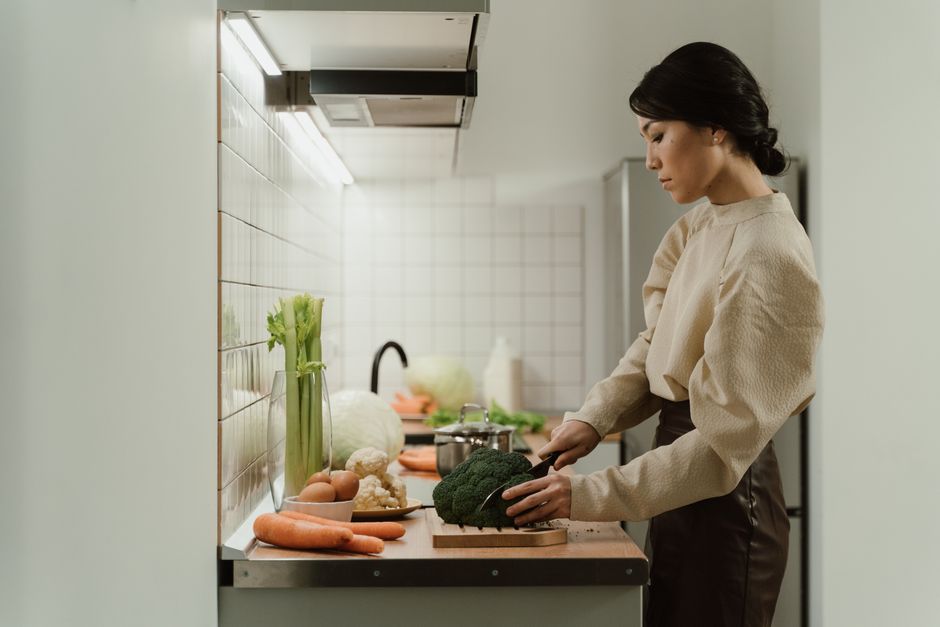
With your menu decided, the next step is preparing your ingredients. This means washing, chopping, and marinating as required.
- Chopping: Vegetables and proteins should be prepped and stored separately.
- Marination: Season meats in advance for deeper flavor.
Storing and Reheating Tips
Proper Storage
Storing your prepped meals correctly is crucial for maintaining freshness and flavor throughout the week.
- Airtight Containers: Use these to keep air out and preserve food longer.
- Label Everything: Use labels to track when meals were prepared.
Reheating Techniques
Reheating meals properly ensures they taste as delicious as when you first prepared them.
- Stovetop: Best for reheating stews and soups.
- Microwave: Quick and efficient for rice and beans.
"Meal prep is not just a trend, but a lifestyle choice that empowers you to stay on top of your nutrition while savoring the rich flavors of your heritage."
Common Challenges and Solutions
Overcoming Boredom
Eating the same meals repeatedly can lead to boredom. To avoid this, maintain variety in your meal prep.
- Rotate Recipes: Switch up your dishes every week.
- Flavor Variations: Use different spices to change the taste profile.
Dealing with Limited Storage
Storage space can be an issue, especially with limited kitchen space.
- Use Stackable Containers: Save space with stackable, uniform containers.
- Freeze Wisely: Only freeze what you won't eat within the week.
Conclusion
Navigating the world of meal prep with a focus on Nigerian cuisine is a rewarding journey. It allows you to honor traditional flavors while embracing modern conveniences. By planning effectively, utilizing key ingredients, and overcoming common challenges, you can enjoy a week of delicious, home-cooked meals without the daily effort. Remember, meal prep is about making life simpler while fostering a healthier relationship with the foods that nourish us. So, why not begin today? Embrace the art of Nigerian meal prep and watch as your week transforms.