Do you often find yourself scrambling to put meals together at the last minute, only to end up with takeout on your plate again? If this sounds familiar, you're not alone. Many Nigerians face the daily challenge of balancing time, nutrition, and taste in their meals. Enter meal prep—a powerful strategy that can transform your eating habits, save money, and ensure you always have a delicious, home-cooked meal ready to enjoy. Whether you're new to meal prep or looking to refine your skills, this guide will help you embrace the art of preparing Nigerian dishes in advance.
In this article, we'll delve into the essentials of meal prep, focusing on Nigerian cuisine. From understanding what meal prep is all about to learning practical techniques and tips customized for Nigerian meals, we've got you covered. You'll discover how to plan, shop, and cook with efficiency, so you can spend less time worrying about your next meal and more time enjoying life.
Understanding Meal Prep
What is Meal Prep?
Meal prep is the practice of preparing meals ahead of time, often for the entire week. It's about being proactive with your food choices, ensuring you have balanced, nutritious meals ready to go, reducing the temptation of unhealthy last-minute options.
In the context of Nigerian cuisine, meal prep can be a game-changer, allowing you to savor traditional dishes without the stress of daily cooking. Imagine having your favorite jollof rice or egusi soup ready to eat with minimal effort!
Benefits of Meal Prep
- Saves Time: Preparing meals in batches reduces the daily cooking time, giving you more hours to focus on other important tasks.
- Reduces Stress: With meals ready to go, you eliminate the daily decision-making about what to cook.
- Cost-Effective: Buying ingredients in bulk for meal prep can significantly cut down on grocery bills.
- Promotes Healthy Eating: Meal prep allows you to control portions and use fresh ingredients, promoting better health and nutrition.
Essential Steps for Nigerian Meal Prep
Planning Your Meals
Start by deciding which meals you want to prepare for the week. Consider your schedule, dietary needs, and preferences. A typical Nigerian menu might include dishes like moi moi, suya, or ofada rice.
"A successful meal prep begins with a well-thought-out plan," says nutritionist Chioma Adeyemi. "Understanding what you want to achieve is key to the process."
Use a meal planning template or a simple notebook to jot down your meal ideas for each day. This will serve as your roadmap for the week.
Creating a Shopping List
Once your meals are planned, create a detailed shopping list. This list should include all the ingredients you need, ensuring you don't miss anything crucial while at the market. Remember to include a mix of proteins, carbohydrates, and vegetables for balanced nutrition.
Efficient Grocery Shopping
Shopping for Nigerian meal prep can be an adventure. Visit local markets for fresh produce and better deals. Always check for quality, especially when buying perishables like fish and vegetables.
- Tip: Shop during off-peak hours to avoid crowds and ensure you have time to select the best produce.
- Tip: Buy in bulk when possible, especially for non-perishable items like grains and legumes.
Preparing and Cooking in Batches
Batch Cooking Techniques
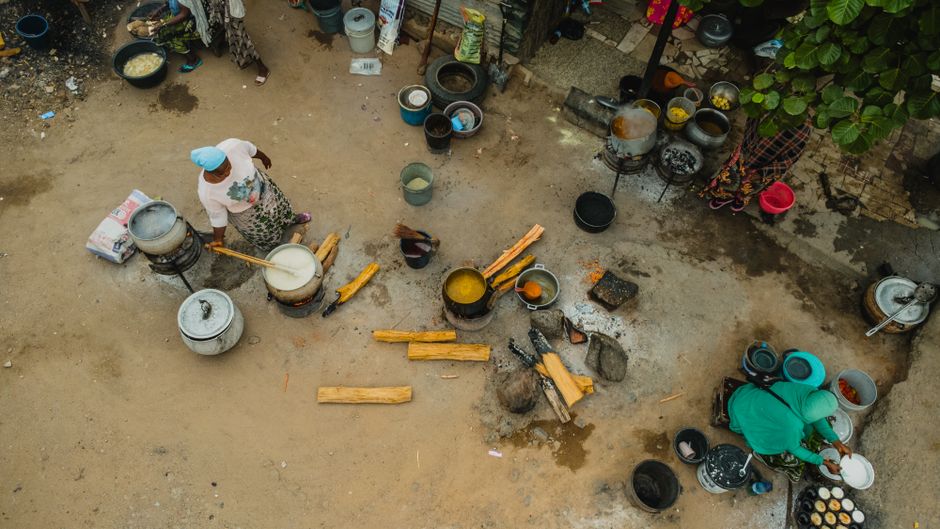
Batch cooking involves preparing large quantities of food at once, which can then be portioned out and stored. Start by cooking staples like rice, beans, and stews in large pots. Portion them into containers based on your meal plan.
Invest in quality storage containers that are freezer-safe and easy to stack. Label each container with the date and contents to keep track of what's available.
Storing Prepared Meals
Proper storage is crucial to maintaining the freshness and flavor of your meals. Use airtight containers to prevent spoilage, and arrange meals in the fridge or freezer according to the days they will be consumed.
Freezing is an excellent option for dishes like soups and stews, which preserve well and can be reheated quickly. For items like salads, keep ingredients separate to maintain crispness.
Overcoming Common Meal Prep Challenges
Dealing with Fatigue
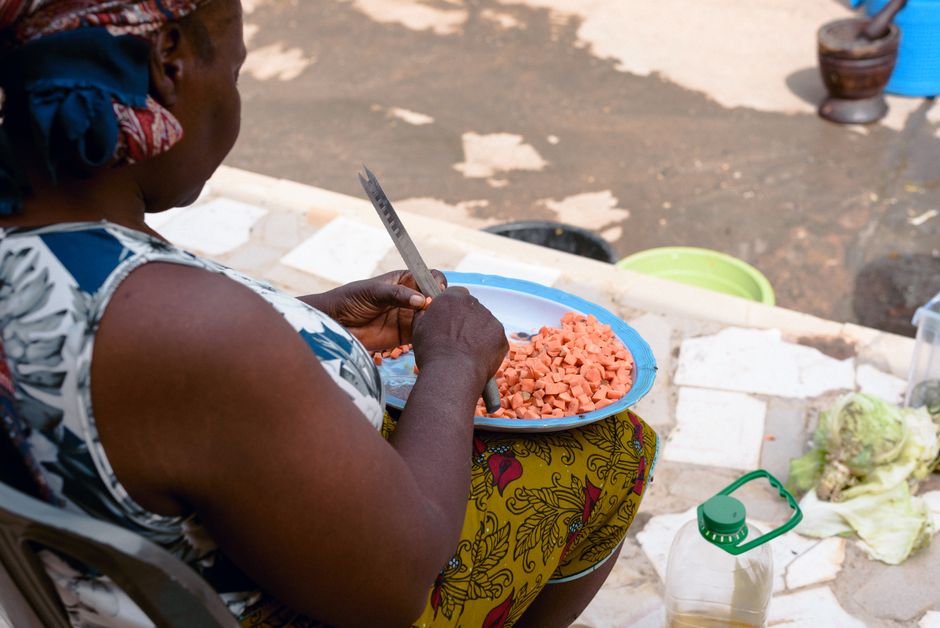
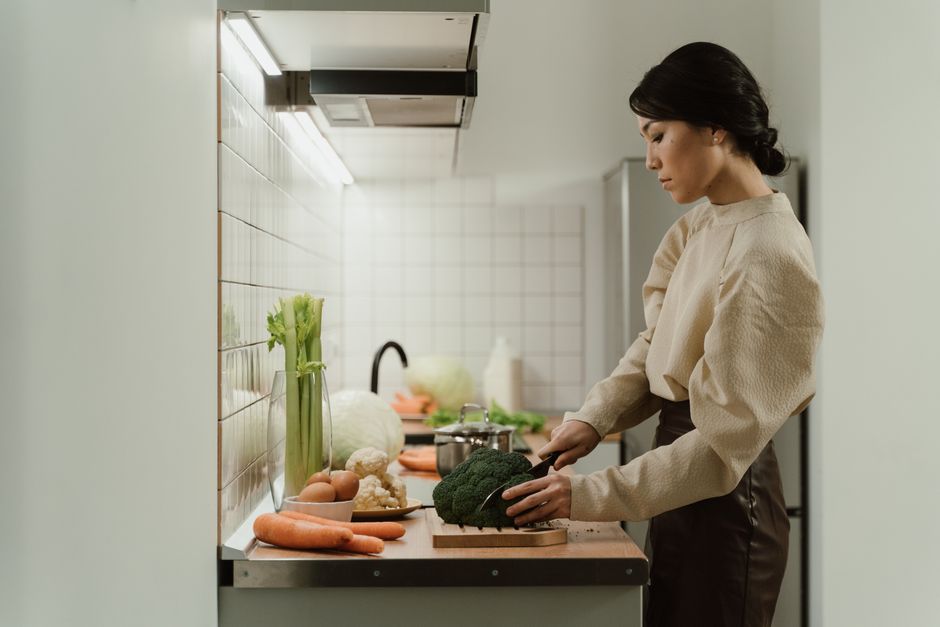
Meal prep can be tiring, especially if you're doing it all at once. Consider breaking the process into smaller, manageable tasks spread over a few days. For example, dedicate one day to chopping vegetables and another to cooking proteins.
Maintaining Variety
To avoid boredom, switch up your meals regularly. Try introducing new recipes or ingredients into your meal prep routine. Nigerian cuisine is diverse, offering endless possibilities to keep your meals exciting.
Conclusion
Meal prep is more than just a trend—it's a lifestyle change that offers numerous benefits. By embracing meal prep tailored to Nigerian cuisine, you can enjoy traditional flavors without the hassle of daily cooking. With a bit of planning and effort, you'll find yourself eating more healthily, saving money, and having time to spare. So, why not give meal prep a try and experience the joy of stress-free dining?