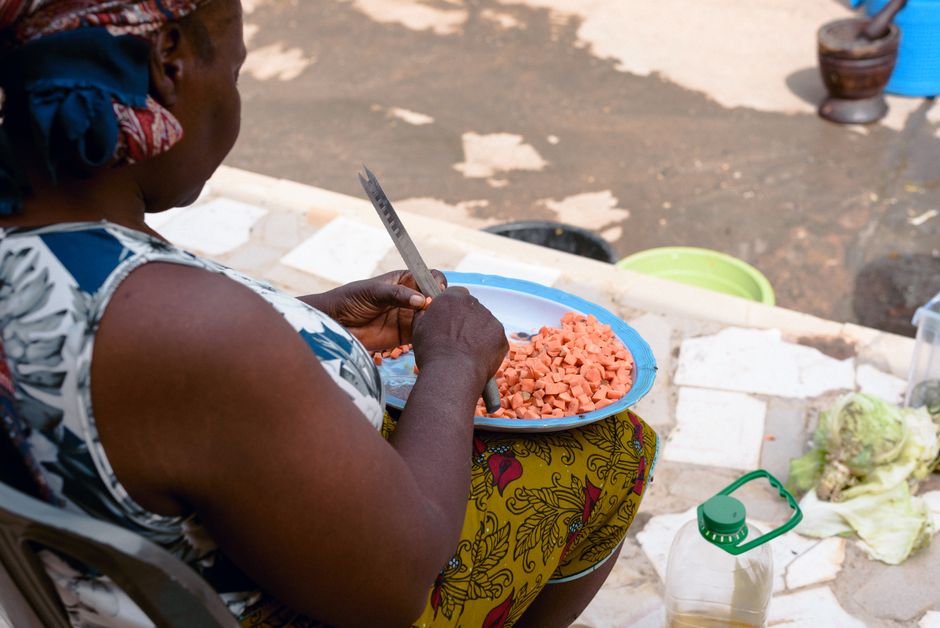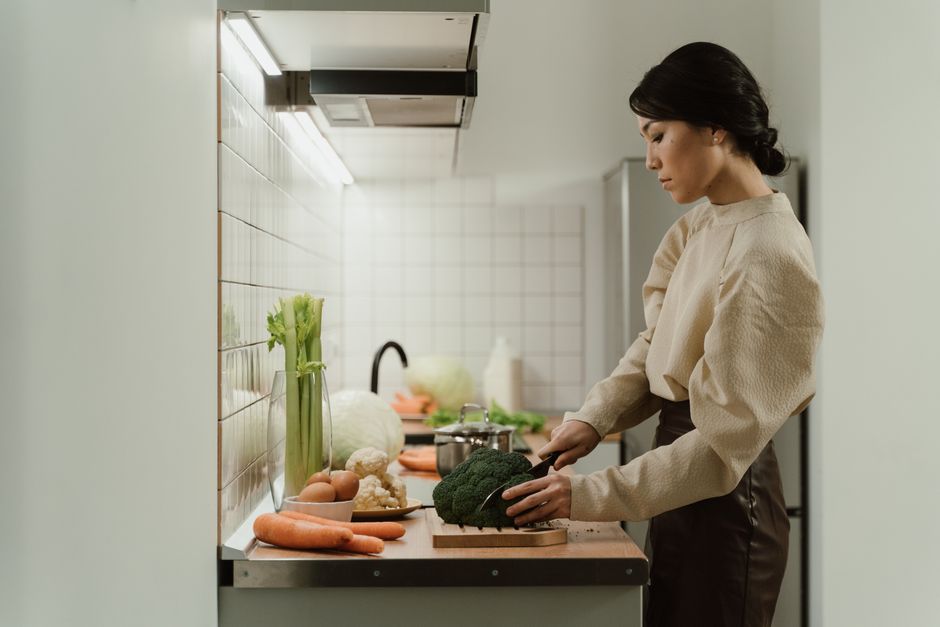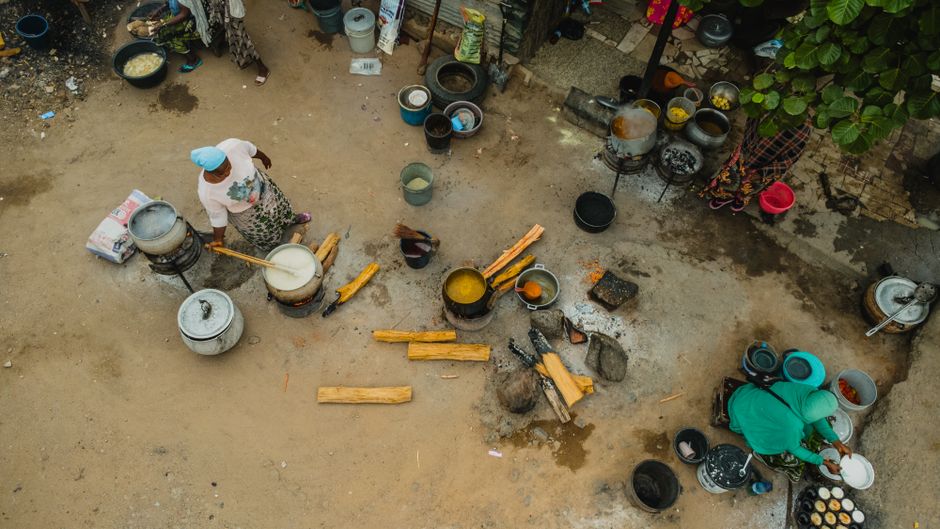
In the hustle and bustle of daily Nigerian life, finding time to prepare nutritious meals can be a daunting task. With traffic jams, extended working hours, and familial responsibilities, the temptation to opt for quick, unhealthy meals is ever-present. But what if there was a way to maintain a nutritious diet without compromising on time or flavor? Enter meal prep—a life-changing strategy that not only saves time but also ensures a steady supply of healthy meals. In this article, we'll delve into the art of meal prep with a special focus on the Nigerian diet, offering practical tips and insights to help you succeed.
Understanding Meal Prep
Meal prep, short for meal preparation, is essentially the process of planning and preparing entire meals ahead of schedule. This practice can be customized to suit individual preferences, dietary goals, and schedules. For Nigerians, it can mean cooking Jollof rice in bulk or preparing a week's worth of efo riro—whatever aligns with your taste and lifestyle.
Why Meal Prep?
Meal prep is not just about saving time. It's about ensuring that your meals are balanced and nutritious. By preparing meals in advance, you have complete control over what goes into your food, helping you stick to a healthier diet.
- Time Efficiency: Spend a couple of hours prepping meals at the start of the week and save time on daily cooking.
- Portion Control: By dividing meals into portions, you can avoid overeating and control your calorie intake.
- Cost-Effective: Buying ingredients in bulk often reduces costs, and meal prep reduces the temptation to opt for costlier take-out options.
Meal Prep and the Nigerian Diet
Nigerian cuisine is rich and diverse, with each region offering unique flavors and dishes. However, incorporating traditional meals into meal prep might seem challenging. Here are some tips:
- Choose Dishes Wisely: Opt for meals that store well and maintain their flavor, such as soups and stews like egusi soup or okra stew.
- Mix and Match Ingredients: Use versatile ingredients like beans and plantains that can be prepared in various ways for different meals.
- Incorporate Grains: Dishes like ofada rice and beans can be cooked in bulk and served with different sauces or stews throughout the week.
Getting Started with Meal Prep
Starting your meal prep journey doesn't require a lot of fancy equipment or skills. Here’s how to begin:
Plan Your Meals
Before you begin cooking, decide what meals you will prepare for the week. Consider nutritional balance, your schedule, and personal preference. Remember, variation is key to avoiding meal boredom.
- Create a Grocery List: Based on your meal plan, list all the ingredients you'll need to avoid last-minute shopping trips.
- Prep in Bulk: Cook large quantities of staples like rice, beans, and stew bases to save time.
Invest in Storage
Proper storage is crucial to keep your meals fresh throughout the week. Here are some essentials:
- Containers: Invest in a set of microwave-safe containers. Glass containers are often preferable as they do not retain odors.
- Labeling: Use labels to mark dates and contents on each container, ensuring you consume meals before they spoil.
Nigerian Meal Prep Recipes
Here are some easy meal prep recipes that can be incorporated into a Nigerian diet:
Jollof Rice and Chicken
Prepare a large pot of Jollof rice paired with grilled chicken, a staple that's as delicious as it is satisfying.
"Jollof rice is versatile and can be paired with chicken, fish, or eaten alone, making it perfect for meal prep."
Vegetarian Efo Riro
This rich vegetable soup can be served with rice or yam, offering a nutrient-dense option for vegetarians.
Staying Consistent
Once you’ve started meal prepping, staying consistent is key. Here are some tips:
- Set a Schedule: Choose a specific day for meal prep, making it a part of your routine.
- Be Flexible: Adjust meal plans as needed to incorporate seasonal ingredients or spontaneous cravings.
Conclusion
Meal prepping is not just a trend but a sustainable lifestyle choice that can significantly improve your dietary habits. By planning and preparing your meals ahead, you ensure that nutritious, home-cooked food is always within reach, making it easier to resist the lure of unhealthy convenience foods. With these Nigerian-specific tips and strategies, you’re set to make meal prep a seamless part of your life. Embrace this journey, and enjoy the benefits of enhanced health and efficiency.